

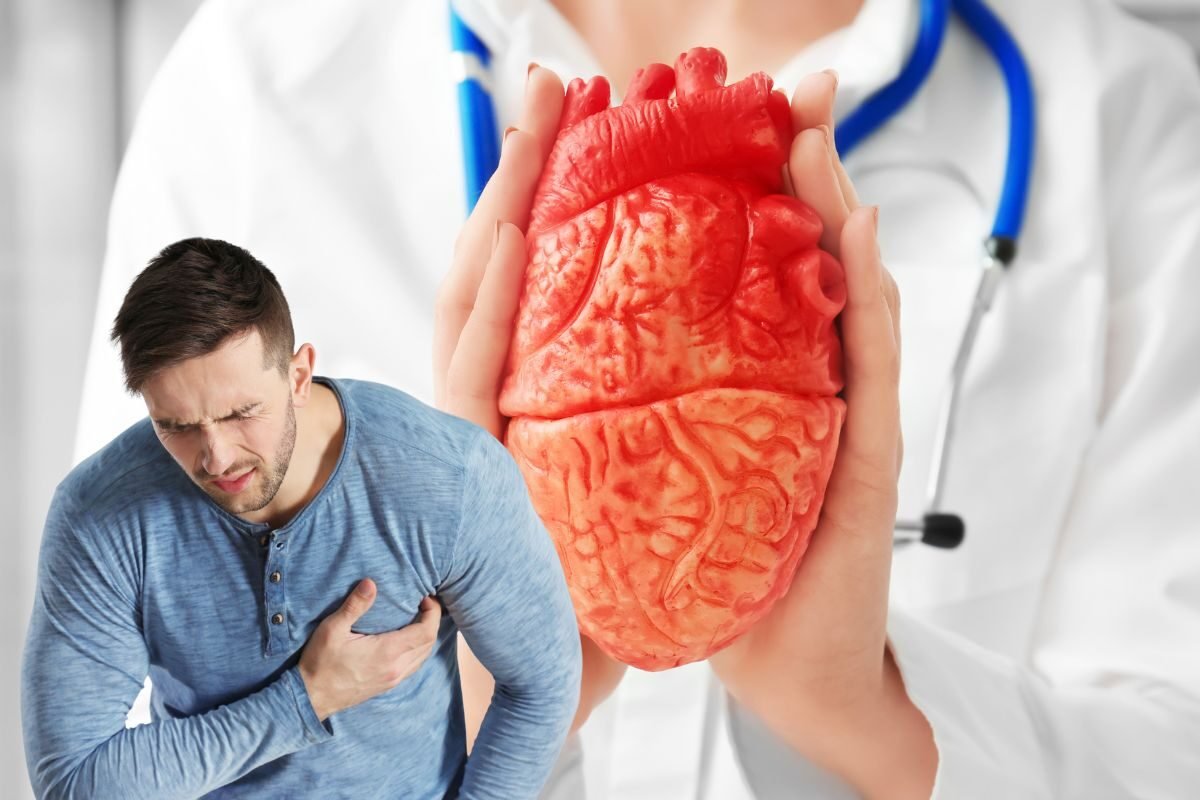
New Delhi, 24 September, 2025: Heart disease remains the leading cause of mortality in India, claiming countless lives every year. What makes it even more concerning is that for many, the first warning sign of a heart problem can strike during physical activity. Exercise, while one of the best ways to protect cardiovascular health, can sometimes unmask hidden heart disease.
Dr. Samir Kubba, Director & Unit Head – Cardiology at Dharamshila Narayana Superspeciality Hospital, Delhi, emphasizes the importance of being aware of early warning symptoms that may appear during exercise. Recognizing these signs in time and seeking immediate medical help can save lives.
Why Exercise Can Reveal Hidden Heart Problems
Regular exercise is strongly recommended for heart health—it lowers blood pressure, improves cholesterol, reduces stress, and helps control weight. But for individuals with undetected blockages in coronary arteries, sudden exertion can put extra strain on the heart.
“When you exercise, your heart needs more oxygen. If the blood vessels are narrowed due to plaque, the demand-supply gap can trigger chest discomfort, breathlessness, or even a heart attack,” explains Dr. Samir Kubba.
This is why it is vital to differentiate between normal exertion symptoms (like mild breathlessness or muscle soreness) and warning signs of a heart attack.
Key Warning Signs of Heart Trouble During Exercise
1. Chest Discomfort or Pressure
The most significant red flag is chest discomfort. Unlike sharp pain, heart-related chest discomfort is often described as heaviness, tightness, or squeezing pressure.
- It may spread to the arms, neck, jaw, back, or stomach.
- The discomfort usually lasts more than a few minutes and does not subside with rest.
“If you experience chest pressure or heaviness that doesn’t go away, stop exercising immediately and seek urgent medical help,” advises Dr. Kubba.
2. Unusual Shortness of Breath
Some breathlessness is normal with physical exertion. However, if you suddenly struggle to catch your breath, or feel like you are suffocating, it could be a warning sign.
“This type of disproportionate breathlessness is a red flag. If you can’t complete a routine workout you normally manage, it’s important to get evaluated,” notes Dr. Kubba.
3. Excessive Sweating
Profuse sweating, especially in a cool environment or during light exercise, is a potential indicator of heart distress.
- Sweating may be accompanied by nausea or light-headedness.
- Unlike sweat caused by exertion, this type feels abnormal and overwhelming.
Dr. Kubba cautions: “Sweating that feels out of proportion to the activity should not be ignored, especially if accompanied by chest discomfort or breathlessness.”
4. Unexplained Fatigue or Weakness
If you feel unusually tired after mild physical activity—or worse, during exercise—it could be your heart struggling to pump effectively.
“This symptom is especially concerning in women, who may not always present with typical chest pain but rather with fatigue, weakness, or vague discomfort,” says Dr. Kubba.
5. Palpitations or Irregular Heartbeats
A racing heart during exercise is normal, but if you notice sudden irregular beats, pounding, or fluttering in the chest, it may be a sign of arrhythmia.
- Palpitations combined with dizziness or fainting need immediate attention.
- In some cases, these irregularities may signal an impending cardiac event.
Who Is at Higher Risk?
Not everyone who exercises needs to worry. But certain groups have a higher likelihood of developing heart-related complications during workouts:
- Individuals with high blood pressure, diabetes, or high cholesterol
- Smokers and those with a sedentary lifestyle
- People with a family history of heart disease
- Men above 40 and women above 50, especially if unfit
- Those who are obese or overweight
Dr. Kubba recommends: “Anyone with these risk factors should undergo a basic cardiac screening before starting intense exercise. This may include an ECG, echocardiogram, or treadmill stress test.”
What to Do If You Experience Symptoms During Exercise
Immediate action can be lifesaving. Here’s what you should do:
- Stop exercising immediately if you feel chest pain, shortness of breath, or dizziness.
- Sit or lie down calmly and avoid exertion.
- Seek emergency medical help without delay—time is critical in managing heart attacks.
- If advised by your doctor, keep emergency medicines (such as sorbitrate or aspirin) handy.
- Do not attempt to “push through” discomfort thinking it’s just exertion.
Preventive Steps for Safer Workouts
While exercise is essential, it’s important to make workouts safe, particularly for those at higher risk. Here are preventive tips from cardiology experts:
- Get a health check-up before starting a new exercise program.
- Begin with moderate-intensity workouts like walking, yoga, or cycling.
- Warm-up and cool down to ease your heart into and out of activity.
- Stay hydrated and avoid exercising in extreme heat.
- If you feel unusual symptoms, pause and reassess instead of pushing harder.
Why Early Recognition Matters
Heart attacks caught in the early stages are much easier to treat. Timely intervention can prevent serious damage to the heart muscle and significantly improve survival.
“Awareness is the first step. Many people dismiss early warning signs as minor discomfort. But when in doubt, it is always safer to get checked,” stresses Dr. Samir Kubba.
The Role of Regular Screening
Even if you feel healthy, regular cardiac check-ups are essential after a certain age or if you have risk factors. Preventive screenings can detect silent blockages, hypertension, or high cholesterol before they trigger a major event.
- Annual health check-ups after age 40
- Stress tests for those engaging in vigorous exercise
- Lifestyle modifications including balanced diet, quitting smoking, managing stress, and regular moderate exercise
Exercise is one of the most powerful tools to keep your heart strong—but it’s equally important to be vigilant about warning signs. Chest discomfort, unusual shortness of breath, excessive sweating, fatigue, and palpitations during physical activity should never be ignored.
As Dr. Samir Kubba highlights, timely recognition and urgent medical response can save lives. With awareness, preventive screenings, and safe exercise practices, we can reduce the burden of heart disease in India and empower people to live healthier, longer lives.











Leave a comment