

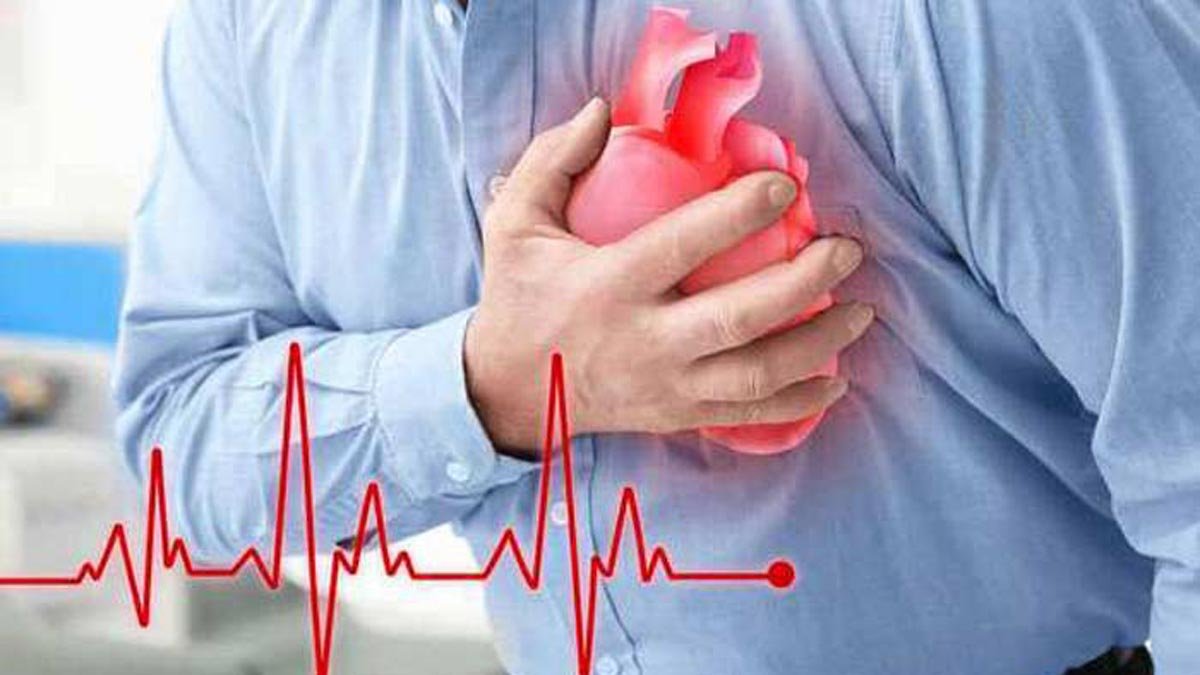
New Delhi, 13 November 2024: Caring for your heart is vital for your overall health. Heart attacks are one of the top causes of death globally, so it’s important to know how we can prevent them. Why is prevention crucial? For starters, many heart diseases can be avoided with the right lifestyle choices. Additionally, recognizing the early signs of clogged arteries can lead to prompt medical treatment. Keeping a balanced diet and staying active can drastically lower risks. Regular health check-ups also help catch any potential problems early on. Finally, being informed allows individuals to take control of their heart health. So, how do we identify the signs of clogged arteries?
Recognizing the Symptoms
When arteries become clogged, it can lead to serious issues for your heart. It’s vital to pay attention to symptoms that may indicate something is wrong. Here are five important signs that shouldn’t be ignored:
Chest Pain or Discomfort
Chest pain or discomfort is a common warning sign of clogged arteries. This feeling could manifest as pressure, squeezing, or a sense of heaviness in the chest. Often, people confuse it with indigestion or heartburn, but if this occurs during physical exertion or moments of stress, it might signal a heart concern. This symptom is not one to take lightly as it could hint at a heart attack.
Shortness of Breath
Feeling short of breath during normal activities can also be a red flag. This can happen even while resting or doing light chores. If you find it hard to breathe, it could be a sign that your heart isn’t functioning properly due to blockages. If you notice this symptom, seeking medical advice is essential.
Fatigue or Weakness
Feeling unusually tired or weak might be another indicator of clogged arteries. If you feel drained despite getting enough sleep or doing light tasks, it could mean your heart is straining to push blood through narrowed arteries. This ongoing fatigue warrants a visit to your healthcare provider for a thorough check-up.
Pain in Other Areas
Clogged arteries can create discomfort that spreads to other parts of the body. Many people feel pain in their arms, back, neck, jaw, or stomach. This referred pain can be confusing, as it may not always be perceived as chest pain. If you notice any of these alongside other symptoms, getting medical attention is crucial.
Swelling in the Legs or Feet
Remember that swelling in your legs or feet might be a sign of heart trouble. When the heart struggles to pump blood efficiently, fluid can accumulate in your lower limbs, a condition known as edema. This can indicate congestive heart failure, often linked to clogged arteries. If you observe persistent swelling, it’s essential to consult your doctor.
Lifestyle Changes for Prevention
Preventing clogged arteries and heart attacks starts with making healthier lifestyle choices.
Healthy Eating Habits
Eating a balanced diet is one of the best strategies to keep arteries clear. Focus on a variety of fruits, vegetables, whole grains, and lean proteins. Reducing intake of saturated fats, trans fats, and cholesterol can help keep your blood pressure and cholesterol levels steady.
Regular Exercise
Staying active is key to maintaining heart health. Aim for at least 150 minutes of moderate aerobic activity each week. Activities like walking, swimming, and cycling can help enhance your cardiovascular fitness and lower your heart disease risks.
Regular Check-ups
Scheduling regular health check-ups is crucial for monitoring your heart’s condition. It’s important to keep track of blood pressure, cholesterol levels, and blood sugar. Catching any irregularities early can lead to effective management and treatment.
Being aware of the signs of clogged arteries is vital for preventing heart attacks. By recognizing symptoms such as chest pain, shortness of breath, fatigue, pain in other areas, and swollen legs, you can take proactive steps towards better heart health. Embracing a healthy lifestyle with proper nutrition, consistent exercise, and routine health evaluations can dramatically decrease the likelihood of heart disease. Remember, it is always better to prevent than to treat.












Leave a comment