


Sandflies are the carriers of the dangerous parasitic disease kala-azar, sometimes referred to as visceral leishmaniasis. Although there is not a specific diet that might treat or prevent kala-azar, leading a healthy lifestyle can boost immunity overall and potentially lower the risk of infection.
The following nutritious dietary practices will strengthen immunity against kala-azar:
1. Include Protein-Rich Foods: Protein is necessary for tissue repair and immune system function. Incorporate into your diet foods like fish, chicken, eggs, beans, tofu, and almonds that are high in lean protein.
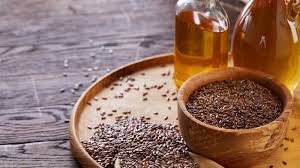
2. Prioritize Omega-3 Fatty Acids: Flaxseeds, chia seeds, walnuts, and fatty fish (sardines, salmon, and mackerel) are good sources of omega-3 fatty acids, which have anti-inflammatory qualities that may help maintain immunological function.
3. Limit Added Sugars and Processed Foods: Reduce your intake of processed foods and added sugars because they can exacerbate inflammation and impair your immune system. Restrict the amount of sugary snacks, drinks, and processed foods that are heavy in unhealthy fats and additives.
4. Focus on Immune-Boosting Nutrients: Include foods that are rich in immune-boosting nutrients, such as zinc (found in lean meats, seafood, and legumes), vitamin C (found in citrus fruits, berries, and bell peppers), vitamin D (found in fatty fish, fortified dairy products, and sunlight exposure), and vitamin E (found in nuts, seeds, and leafy greens).
5. Eat a Well-Balanced Diet: Make sure your meals are full of entire grains, fruits, veggies, lean meats, and healthy fats. Aim for a variety of colourful fruits and vegetables to ensure you are getting a wide range of vitamins, minerals, and antioxidants that support immune health.
6. Eat More Probiotic Foods: Probiotics can improve immune system performance and support gut health. They can be found in fermented foods like kimchi, kefir, sauerkraut, and yogurt.
7. Stay Hydrated: To stay hydrated, sip lots of water throughout the day. Sufficient hydration is important for both overall health and the best possible immunological response.
8. Practice Food Safety: Follow recommended food safety procedures, such as routinely cleaning hands and surfaces, cooking food to the right temperature, and preventing cross-contamination, to lower the risk of foodborne infections that can weaken immunity.
9. Manage Stress: Prolonged stress may interfere with immunological response. Practice stress-reduction methods to boost immunity and relaxation, such as yoga, deep breathing exercises, meditation, and time spent in nature.
10. Get Enough Sleep: Make good sleep a priority because insufficient sleep may decrease immunity and make one more susceptible to diseases. Try to get seven to nine hours each night.
It is important to keep in mind that while these nutritious dietary practices can boost immune function, they cannot replace medical care or kala-azar-specific preventive measures. Take the necessary precautions to prevent sand-fly bites if you reside in or are visiting an area where kala-azar is common. Some of them include applying insect repellent, wearing long sleeves and slacks, and sleeping under bed nets. If you believe you may have been exposed to kala-azar or if you are exhibiting symptoms, consult with a doctor so they can diagnose and treat you.












Leave a comment