

New Delhi, 22 July 2025: In a major step towards strengthening primary healthcare in India, the government has announced the introduction of rapid test kits for Hepatitis B and sickle cell anemia at Primary Health Centres (PHCs). These diseases often go undetected for years due to limited access to diagnostic facilities, especially in rural and tribal belts. With the availability of quick, on-the-spot testing, early detection will now become more accessible, affordable, and timely, potentially saving thousands of lives. These rapid diagnostic tools designed to give results within minutes, helping patients and healthcare providers take immediate action.
Why Hepatitis B Needs Quick Detection
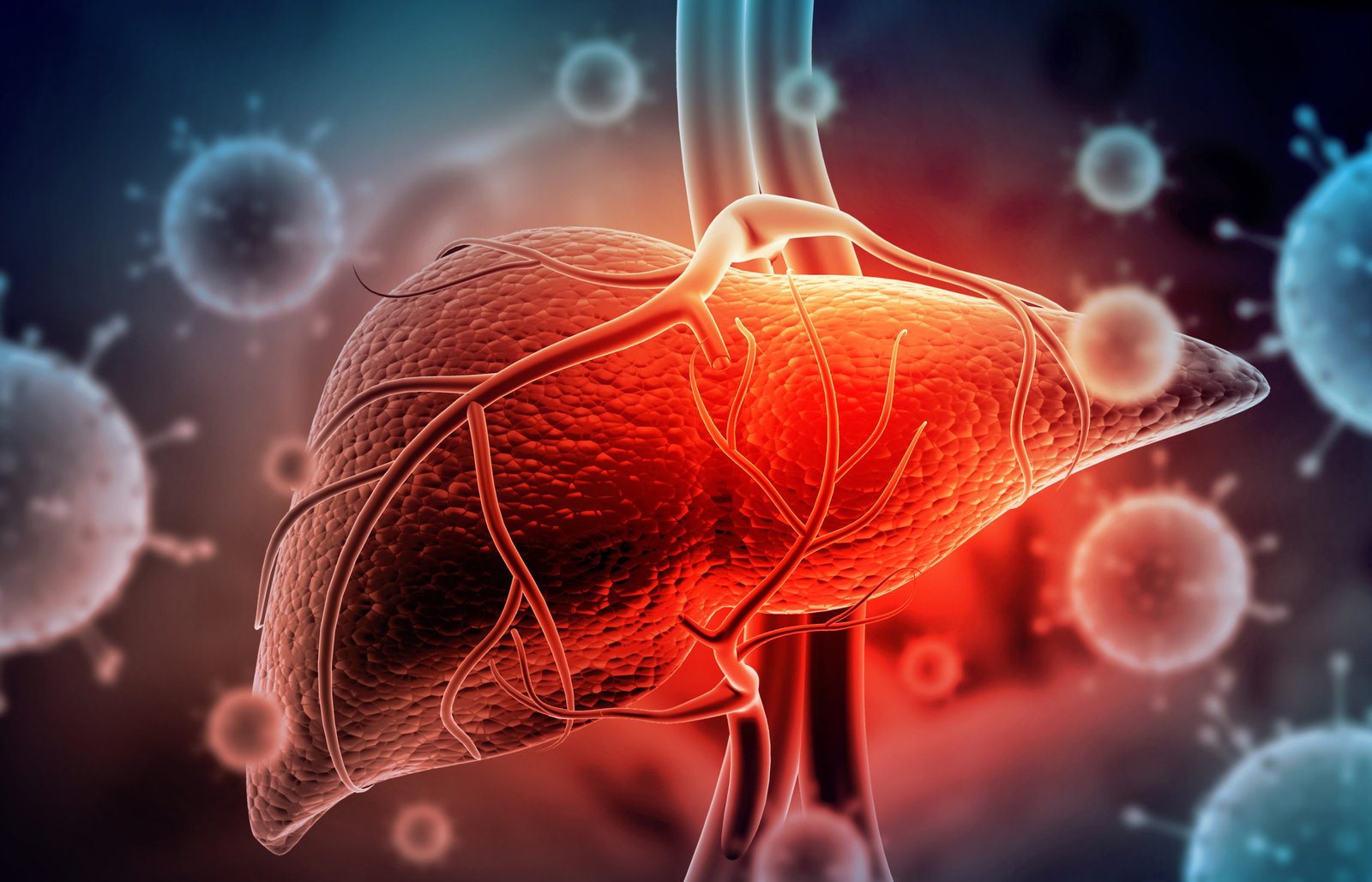
Hepatitis B is a silent liver infection that can lead to cirrhosis, liver failure, or cancer if left untreated. The disease often shows no symptoms in its early stages, making timely diagnosis crucial for intervention. In many cases, people remain unaware that they are carriers, unknowingly transmitting it to others. Rapid test kits at PHCs will help identify high-risk individuals, particularly among pregnant women, newborns, and blood donors. Early diagnosis also allows the timely administration of antiviral treatments and preventive measures to protect family members and partners from exposure.
Sickle Cell Anemia in Focus
Sickle cell anemia, a genetic blood disorder, is another silent threat that primarily affects people from tribal and underprivileged communities. It causes red blood cells to deform and block blood flow, leading to pain crises, organ damage, and sometimes death. Unfortunately, diagnosis often happens late, when complications have already set in. With the introduction of rapid test kits at the PHC level, early screening in childhood or even at birth can help initiate preventive care, manage symptoms, and reduce complications significantly. This is a big step forward in India’s plan to eliminate sickle cell disease as a public health problem by the end of the decade.
Empowering Primary Health Centres with Better Tools
Primary Health Centres are often the first and only point of medical contact for many rural families. Equipping these centres with reliable rapid testing tools is a smart and impactful move. Not only will it reduce the burden on tertiary hospitals, but it also ensures that preventive care reaches even the remotest corners of the country. Healthcare workers will trained to administer these tests and offer counselling, follow-up, and referrals when necessary. It is a significant leap toward decentralised and patient-friendly healthcare.
Improved Health Equity and Preventive Focus
Making diagnostic tests widely available at the grassroots level helps bridge the health gap between urban and rural populations. Many people living in underserved regions often go without testing due to travel, cost, and time constraints. With these kits available at local centres, early diagnosis and timely treatment become a reality. This helps reduce disease-related stigma, improves life expectancy, and promotes a culture of proactive health checks rather than reactive hospital visits. It also aligns with the government’s broader focus on preventive healthcare and universal access to medical services.
How These Kits Work and What to Expect
Rapid test kits designed for ease of use and quick results. A small blood sample usually taken via finger prick, and results are displayed within 15 to 30 minutes. No complex machinery or lab setup needed, making them ideal for remote or resource-poor settings. For Hepatitis B, the kits detect the presence of Hepatitis B surface antigens in the blood. For sickle cell anemia, the test checks for abnormal hemoglobin types. These are screening tools and not diagnostic in isolation, but they help identify individuals who need further evaluation or care.
Strengthening India’s Public Health Framework
The launch of these rapid testing kits is part of a larger government initiative to strengthen primary care and tackle preventable diseases at their roots. Alongside testing, there will be greater efforts to create awareness about Hepatitis B vaccination and genetic counselling for sickle cell carriers. Free or subsidised treatments and support services will also made available at linked centres. This move is not only a health intervention but a long-term investment in community wellness, better productivity, and reduced healthcare costs for families and the nation.
What It Means for You and Your Family
If you or your family members haven’t screened for Hepatitis B or sickle cell disease, you may soon be able to do so easily at your nearest PHC. This is especially important for expectant mothers, young children, and anyone with a family history of these conditions. The earlier you detect a health issue, the better your chances of managing or even preventing complications. So, when these kits arrive at your local health centre, don’t hesitate—get tested. It’s a small step that could make a big difference in your health journey.













Leave a comment