

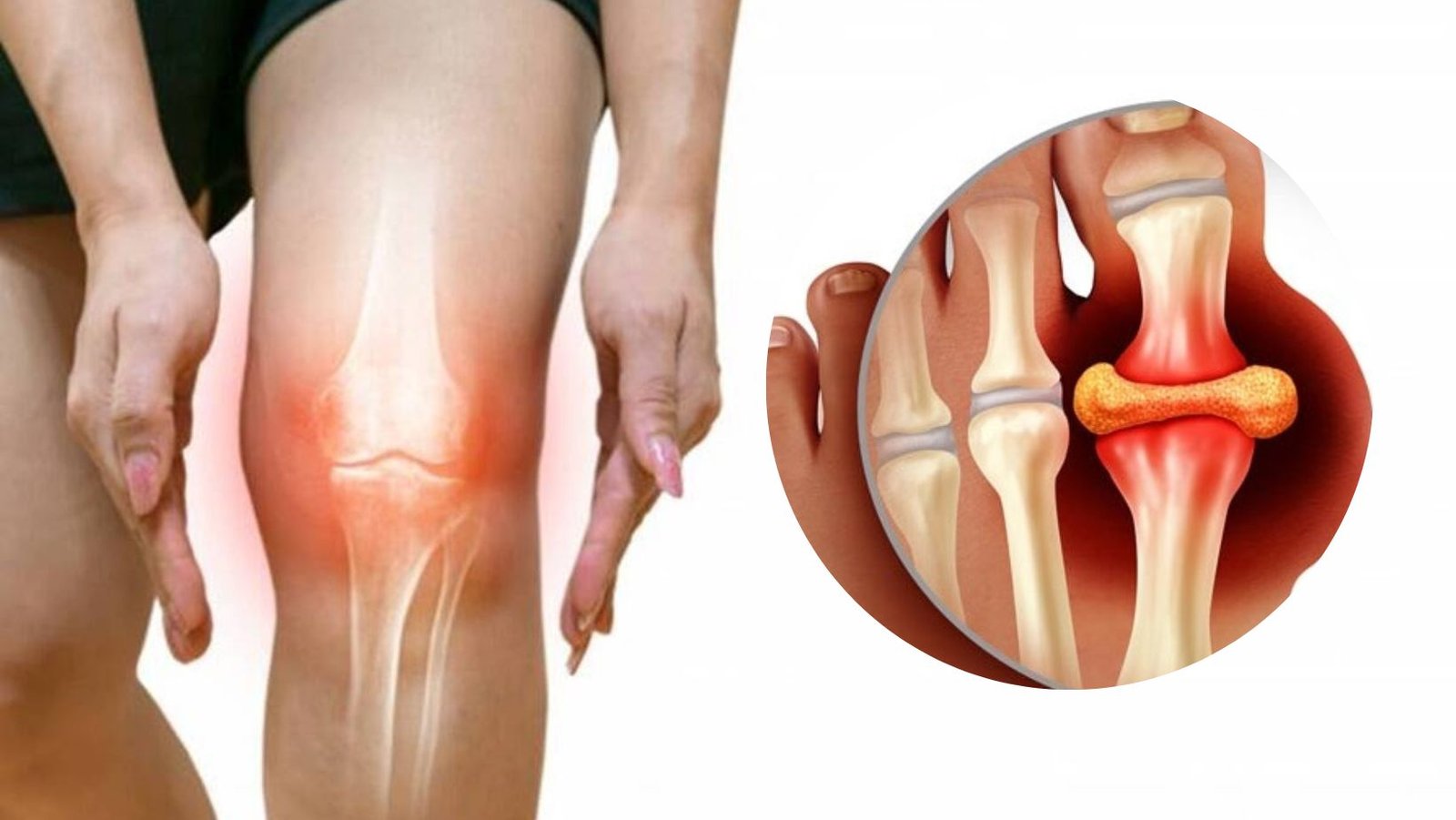
New Delhi, 21 November, 2025: Gout is often dismissed as a painful but manageable joint condition. Many people see it as nothing more than occasional flare-ups affecting the big toe or other joints. But modern research and clinical observations reveal something far more serious: elevated uric acid — the root cause of gout — is strongly linked to a higher long-term risk of heart attack, stroke, and other cardiovascular problems.
This connection isn’t always obvious, which is why experts call it one of the hidden dangers of gout. Understanding how high uric acid harms the cardiovascular system can help patients protect their long-term health.
Uric Acid: More Than Just a Gout Trigger
Uric acid is a natural waste product produced when the body breaks down substances called purines. Normally, the kidneys filter most of it out. But when levels rise too high — known as hyperuricemia — the body begins to store uric acid in different forms.
In gout, uric acid crystallizes and deposits in the joints, causing swelling, redness, and severe pain. But the danger doesn’t end there. High uric acid quietly affects blood vessels, heart function, and metabolic health long before a gout attack ever occurs.
Why High Uric Acid Raises Heart Attack and Stroke Risk
Cardiologists and rheumatologists point to several mechanisms that explain why elevated uric acid becomes a threat to cardiovascular health.
1. Damage to Blood Vessels
High uric acid can irritate the lining of blood vessels, making them stiff and less able to expand. This process, called endothelial dysfunction, increases the risk of:
- Plaque formation
- High blood pressure
- Blood clots
These changes set the stage for heart attacks and strokes over the long term.
2. Increased Inflammation Throughout the Body
People with gout experience inflammation during flare-ups, but inflammation is often simmering beneath the surface even between attacks. Chronic inflammation stresses the heart and blood vessels, accelerating atherosclerosis — the buildup of plaque inside arteries.
Over a span of years, this inflammation-driven plaque buildup raises the likelihood of serious cardiovascular events.
3. Higher Risk of High Blood Pressure
Uric acid is closely linked to the development of hypertension. When uric acid levels rise, the kidneys struggle to regulate blood pressure effectively, and the blood vessels tighten.
High blood pressure alone significantly increases the risk of:
- Heart disease
- Heart failure
- Kidney damage
- Stroke
Combine hypertension with elevated uric acid, and the danger becomes even greater.
4. Impact on Metabolic Health
People with high uric acid often also struggle with:
- Obesity
- Insulin resistance
- Type 2 diabetes
- High cholesterol
Each of these conditions is a known driver of cardiovascular disease. Together, they form a dangerous cluster sometimes referred to as “metabolic syndrome.” Uric acid amplifies the effects of these conditions, making heart attack and stroke risks climb even faster.
5. Silent Progression Over 10 Years
The most concerning aspect of high uric acid is how quietly it works. Even without gout symptoms, elevated levels can be damaging the cardiovascular system for years.
Evidence shows that people with chronically high uric acid have a significantly increased 10-year risk of:
- Coronary artery disease
- Heart attacks
- Strokes
- Cardiovascular-related death
Because this danger builds gradually, many people don’t realize the seriousness until complications arise.
How to Protect Your Heart if You Have High Uric Acid
The good news is that managing uric acid — along with lifestyle and medical care — can drastically reduce cardiovascular risk. Here’s what experts recommend:
1. Test Your Uric Acid Regularly
People with gout or a family history of it should monitor levels consistently, even between flare-ups.
2. Maintain a Heart-Healthy Diet
Prioritize:
- Fruits and vegetables
- Lean proteins
- Whole grains
- Low-fat dairy
Limit:
- Red meats
- Organ meats
- Sugary drinks
- Alcohol (especially beer)
3. Stay Hydrated
Good hydration helps the kidneys remove excess uric acid and reduces the risk of crystals forming.
4. Stay Physically Active
Regular exercise supports weight control, reduces inflammation, and improves heart and metabolic health.
5. Manage Weight
Even modest weight loss can lower both uric acid and cardiovascular risk.
6. Take Medications if Prescribed
Drugs that lower uric acid — such as allopurinol or febuxostat — can be instrumental in reducing long-term risks when used as part of a comprehensive plan.
7. Treat Blood Pressure and Cholesterol
Even if they seem borderline, controlling these numbers early protects against cumulative heart damage.
A Wake-Up Call for Anyone With Gout or High Uric Acid
Elevated uric acid is more than a gout problem — it’s a cardiovascular warning sign. The link between uric acid and heart disease is now recognized as a genuine long-term risk, not a coincidence.
By understanding the danger early and taking proactive steps, individuals can safeguard both their joints and their heart. Managing uric acid is not just about preventing gout attacks — it is also about preventing heart attacks and strokes.















Leave a comment