The Nipah virus (NiV) has once again made headlines as a deadly zoonotic virus with high fatality rates. As authorities monitor outbreaks in India and neighboring countries, understanding the virus’s symptoms and progression is critical for early detection and prevention.
What Is Nipah Virus?
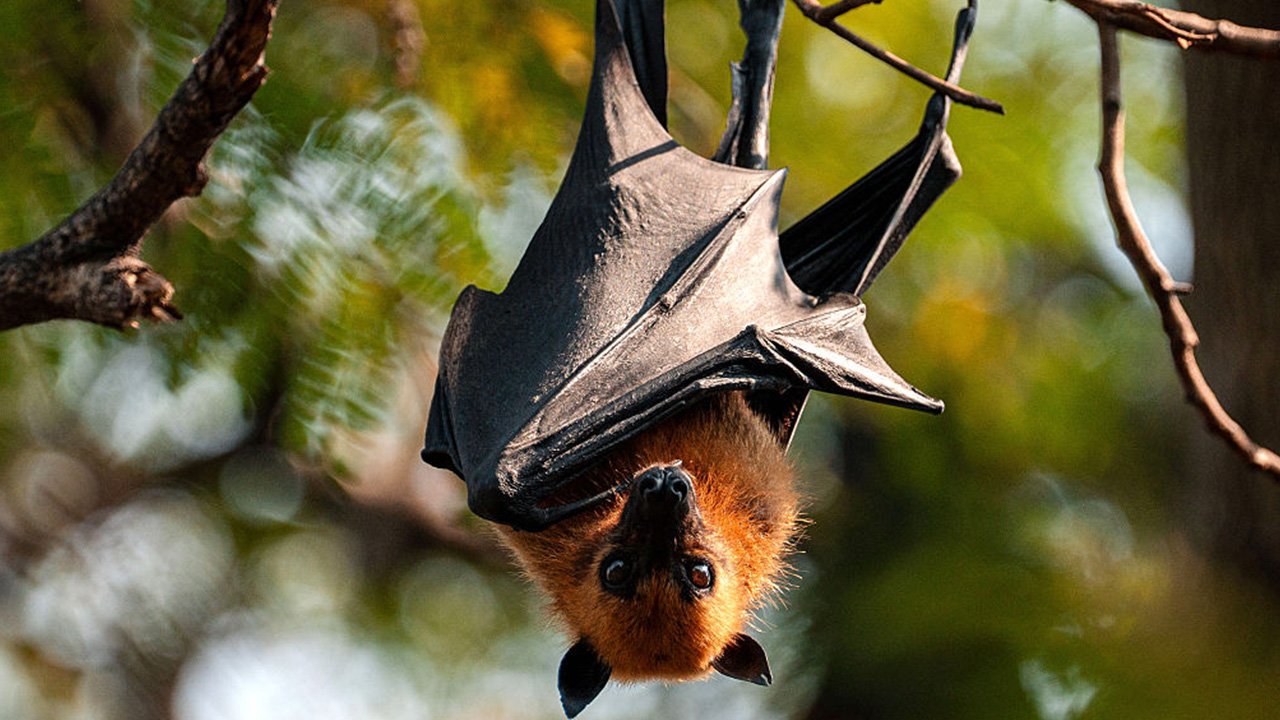
Nipah virus is a highly infectious virus transmitted from animals to humans, most commonly via fruit bats or contaminated food. Human-to-human transmission is also possible, making outbreaks difficult to control. NiV infection can affect multiple organs, with the respiratory and nervous systems being most vulnerable.
Early Symptoms: Fever and Flu-Like Signs
The initial stage of Nipah virus infection often resembles common viral illnesses, which can make early recognition challenging:
- High fever
- Headache
- Muscle pain
- Sore throat
- Fatigue
These early symptoms typically appear 5–14 days after exposure, and while mild cases can be mistaken for flu, they require immediate medical attention due to the risk of rapid deterioration.
Progression to Severe Illness
In severe cases, NiV can progress to more dangerous complications, affecting the brain and respiratory system:
- Nausea and vomiting
- Dizziness and disorientation
- Respiratory distress such as coughing and shortness of breath
- Seizures and neurological signs
- Encephalitis (brain inflammation), leading to confusion, drowsiness, and in some cases, coma
Doctors warn that brain swelling is a critical red flag, often indicating life-threatening progression. Without early intervention, the virus can lead to multi-organ failure and death.
Who Is at Risk?
While anyone can contract Nipah virus, high-risk groups include:
- Individuals in close contact with infected animals (especially fruit bats or pigs)
- Family members or caregivers of infected patients
- Healthcare workers without proper protective equipment
When to Seek Medical Attention
Medical experts urge immediate care if someone exposed to a possible NiV source develops:
- Sudden high fever with headache
- Breathing difficulties or severe cough
- Confusion, seizures, or unusual drowsiness
Early hospitalization and supportive care are crucial, as there is currently no specific antiviral treatment for Nipah virus.
Prevention Is Key
Prevention strategies focus on reducing contact with infected animals and contaminated food:
- Avoid consuming raw date palm sap or fruit that may have been contaminated by bats
- Practice strict hygiene when caring for patients
- Follow official health advisories during outbreaks
Nipah virus is highly infectious and potentially fatal, but awareness of symptoms—from initial fever to neurological complications like brain swelling—can save lives. Recognizing warning signs and seeking prompt medical care are essential for survival and outbreak containment.