

By Dr Poonam Khetrapal Singh, WHO Regional Director for South-East Asia
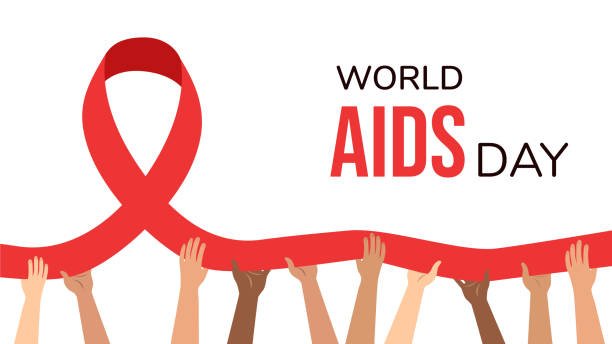
On World AIDS Day, WHO calls Member States, partners and communities in the South-East Asia Region and across the world to continue fostering collaboration to address the challenges in ending AIDS by 2030 and to empower communities to lead in shaping the response forward.
Globally, an estimated 39 million people are living with HIV. In 2022, an estimated 1.3 million people acquired HIV and around 630 000 people died from AIDS-related causes. In the South-East Asia Region, an estimated 3.9 million people are living with HIV, accounting for around 10% of the global burden. In 2022, an estimated 110 000 people became newly infected with HIV and 85 000 people in the Region died of AIDS-related causes. This accounted for over 13% of the global burden of AIDS-related death.
Over the past decade, the South-East Asia Region had substantial progress with a remarkable decline in both HIV and HIV-related deaths. The numbers of new HIV infections has halved from 200 000 in 2010 to 110 000 in 2022, and similarly, HIV-related deaths reduced to one-third from 230 000 in 2010 to 85 000 in 2022. In 2022, 65% of people living with HIV were receiving lifesaving antiretroviral treatment, compared to only 17% in 2010. In 2019, Maldives and Sri Lanka were validated to have eliminated mother-to-child transmission of HIV and congenital syphilis, which Thailand achieved in 2016 – the first country in Asia to do so.
By the end of 2022, 81% of people in the Region living with HIV knew their status, 65% were on antiretroviral therapy, and 61% were virally suppressed. Despite this progress, the Region needs to accelerate efforts in ensuring more people are reached and access services, so that 95% of PLHIV are aware of their HIV status, 90% are on ART and 86% with suppressed viral load by 2025.
There are continued challenges in ensuring reach to the most vulnerable populations. Across the Region, almost 95% of new HIV infections are among individuals at risk including sex workers, people who inject drugs, men who have sex with men, transgender people and their partners. In 2022, approximately a quarter of new HIV infections in the region were among young people. In several countries in South-East Asia Region, nearly half of all new HIV infections were reported among young individuals.
To accelerate in ending AIDS, communities of individuals at risk of, living with and affected by HIV must be engaged more in shaping effective strategies and interventions. They have the necessary insight and understanding to navigate the complexities of the epidemic. Empowered communities are necessary in the implementation of the Integrated Regional Action Plan for viral hepatitis, HIV and sexually transmitted infection, 2022-2026.
WHO is calling for action in several key areas. First, policy makers and programme managers should welcome initiatives and ensure meaningful engagement of key populations, community organizations and people, including youth, women living with HIV in advocacy, service delivery, policy development, community level monitoring, and evaluation to address barriers to quality services.
Second, communities, including the young population should be proactively reached out by policy makers. Young people must step up into the leadership roles in designing, planning, budgeting and implementation of the HIV prevention and care programme.
Third, countries should continue to reform laws, regulation and practices that enable stigma, discrimination, and exclusion. The human rights of key populations and affected groups must be respected, protected and fulfilled.
Fourth, in this era of Universal Health Coverage by 2030, countries must invest in decentralized and integrated primary health care services of HIV, viral hepatitis, STI and other communicable and non-communicable diseases to deliver a people-centered service and ultimately, attain multi-disease control and elimination goals.
Together, we must accelerate efforts in getting towards the targets of the Sustainable Development Goals 2030. On World AIDS Day, WHO reiterates its commitment to achieving a Region and world in which AIDS is no longer a public health threat, leaving no individual, community or population behind.











Leave a comment