

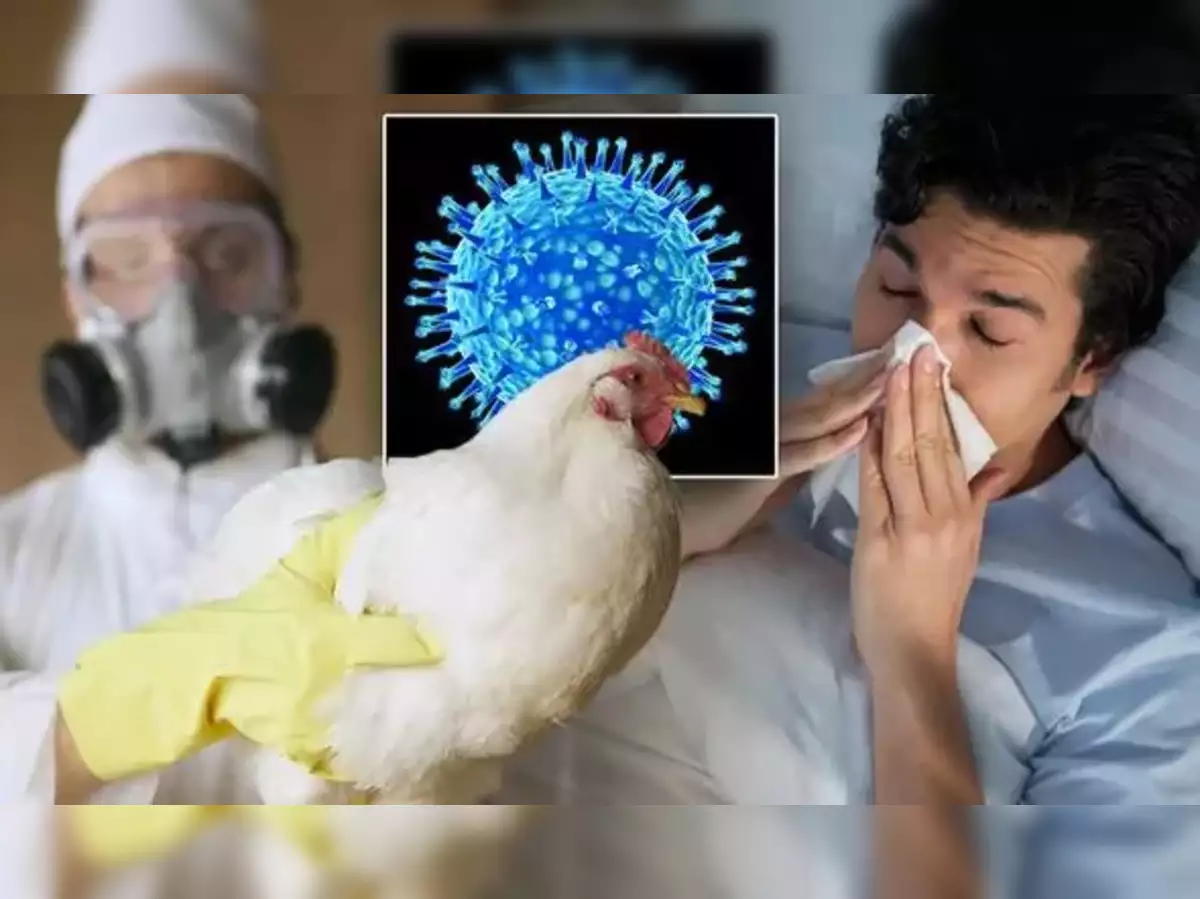
New Delhi, 20 December 2024: The United States has confirmed its first severe case of bird flu (H5N1) in humans, raising concerns about the virus’s potential impact on public health. The infected individual, a poultry worker, was exposed to the virus through close contact with infected birds. The case highlights the need for awareness about symptoms, treatment options, and precautionary measures to prevent the spread of the highly pathogenic avian influenza virus.
What is Bird Flu?
Bird flu, or avian influenza, is a viral infection primarily affecting birds. The H5N1 strain, known for its high fatality rate, can occasionally infect humans who have direct contact with infected poultry or contaminated environments. While rare, human cases often result in severe respiratory illness and complications.
Symptoms of Bird Flu in Humans
The symptoms of H5N1 infection can range from mild to severe. Early detection is crucial for effective treatment. Common symptoms include:
High fever (over 100°F or 38°C)
Persistent cough
Difficulty breathing or shortness of breath
Sore throat
Muscle aches and fatigue
Diarrhea or abdominal pain in some cases
In severe cases, the virus can lead to pneumonia, acute respiratory distress syndrome (ARDS), multi-organ failure, or even death.
Treatment for Bird Flu
While there is no cure for bird flu, early intervention with antiviral medications can help reduce the severity of the illness. The most commonly used drugs include:
Oseltamivir (Tamiflu): An oral antiviral that can be effective if administered within the first 48 hours of symptom onset.
Zanamivir (Relenza): An inhaled antiviral recommended for certain cases.
Supportive care, including oxygen therapy and hospitalization, may be required for severe cases.
Precautions to Prevent Infection
Preventing bird flu requires a combination of personal hygiene and avoiding exposure to infected poultry. Key measures include:
Avoid Direct Contact: Stay away from live poultry markets and avoid handling sick or dead birds.
Proper Cooking: Ensure all poultry and eggs are cooked thoroughly to kill the virus.
Use Protective Gear: Individuals working with poultry should wear gloves, masks, and protective clothing.
Regular Handwashing: Wash hands with soap and water, especially after handling raw poultry or bird products.
Vaccination: While specific vaccines for H5N1 are under development, seasonal flu vaccinations can provide partial protection.
Current Status and Vaccine Development
The Centers for Disease Control and Prevention (CDC) is closely monitoring the situation and working with global health agencies to track the spread of the virus. Vaccines specific to the H5N1 strain are being developed, but availability remains limited. Public health officials are emphasizing the importance of seasonal flu vaccination to reduce overall viral transmission.
Global Perspective
The H5N1 strain has caused periodic outbreaks worldwide, primarily affecting Asia, Africa, and parts of Europe. The virus has a high mortality rate in humans, with the World Health Organization (WHO) reporting over 860 confirmed cases and 450 deaths globally since 2003. The U.S. case underscores the need for international cooperation to prevent a potential pandemic.
The confirmation of a severe bird flu case in the U.S. serves as a wake-up call for both health authorities and the public. While the risk of widespread human-to-human transmission remains low, vigilance is crucial. By understanding the symptoms, seeking timely treatment, and adopting preventive measures, we can mitigate the risks posed by this potentially deadly virus.
Stay informed, follow public health guidelines, and prioritize hygiene to protect yourself and your loved ones from this emerging health threat.















Leave a comment