

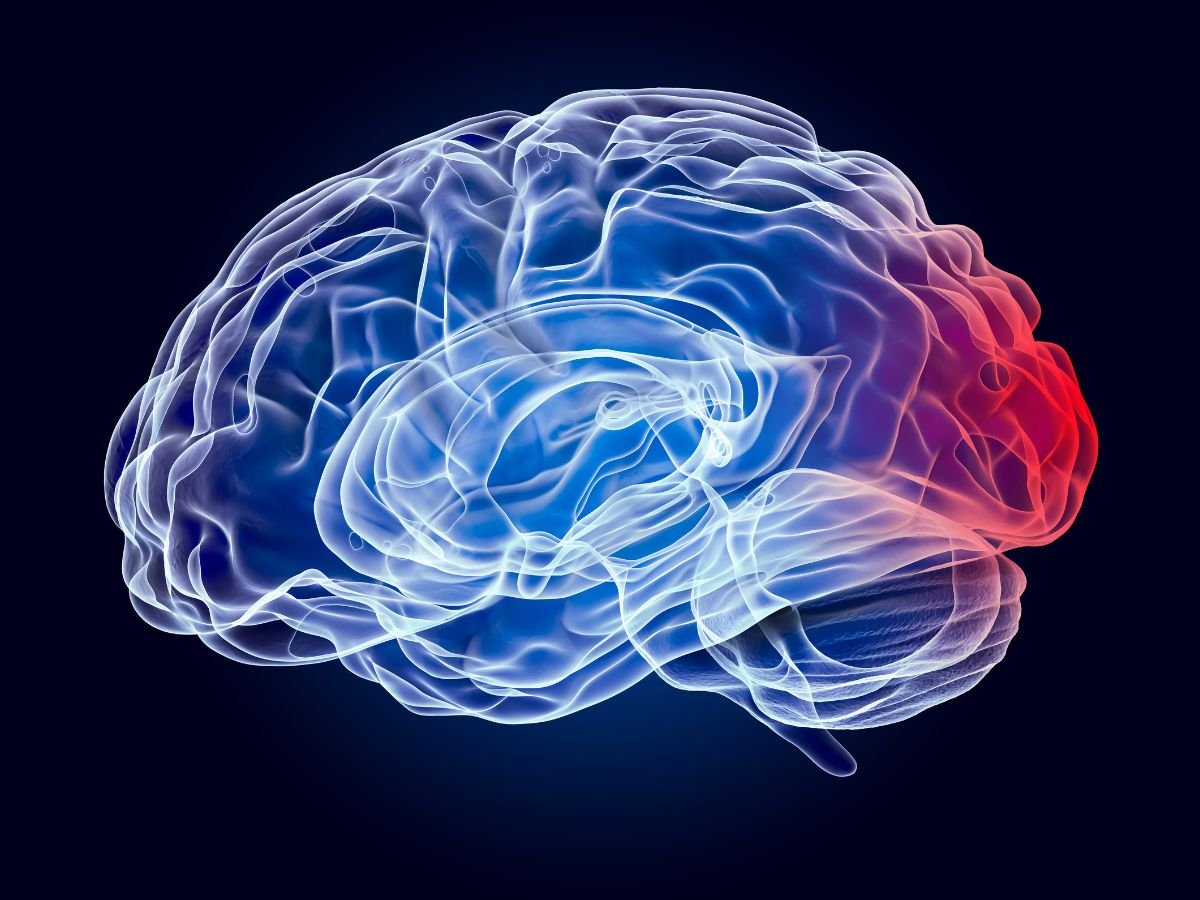
We often associate exercise with heart health, weight management, and muscular strength—but research increasingly shows that exercise is one of the most powerful tools for brain health. Regular physical activity not only improves mood and reduces stress but also enhances memory, cognitive function, and even protects against age-related decline. In essence, what’s good for the body is also profoundly good for the mind.
In this article, we explore how exercise benefits the brain, the science behind it, and practical ways to make it part of your daily life for lasting mental and cognitive health.
The Brain Benefits of Exercise
1. Boosts Cognitive Function and Memory
Physical activity stimulates the production of brain-derived neurotrophic factor (BDNF), a protein that supports the growth and survival of neurons. Higher BDNF levels improve:
- Learning ability
- Memory retention
- Problem-solving skills
Studies show that adults who exercise regularly perform better on memory tests and experience slower cognitive decline as they age.
2. Enhances Mood and Reduces Anxiety
Exercise triggers the release of endorphins, natural chemicals that act as mood elevators. It also reduces levels of cortisol, the stress hormone, helping to regulate emotional responses.
- People who engage in regular physical activity report lower rates of anxiety and depression.
- Even moderate exercise—like brisk walking for 30 minutes—can improve mood within hours.
3. Improves Sleep Quality
Quality sleep is essential for brain health. Exercise helps:
- Regulate sleep patterns
- Reduce insomnia and restless sleep
- Promote deep, restorative sleep phases that consolidate memory
A well-rested brain functions more efficiently and is better at learning and problem-solving.
4. Supports Neuroplasticity
Exercise encourages neuroplasticity, the brain’s ability to reorganize and form new neural connections. This adaptability is crucial for:
- Learning new skills
- Recovering from injury
- Maintaining cognitive function throughout life
Aerobic exercise, in particular, has been linked to structural changes in the hippocampus—the part of the brain involved in memory and spatial navigation.
5. Protects Against Age-Related Decline
Regular physical activity lowers the risk of cognitive disorders, including Alzheimer’s disease and other dementias. Exercise improves blood flow to the brain, reducing inflammation and supporting cellular repair processes, which collectively preserve cognitive function over time.
Types of Exercise That Benefit the Brain
Not all exercise is equal when it comes to brain health. A combination of aerobic, strength, and mind-body activities provides the most comprehensive benefits.
1. Aerobic Exercise (Cardio)
Activities that get your heart pumping and increase oxygen flow are particularly beneficial for the brain.
- Examples: Brisk walking, running, cycling, swimming, dancing
- Benefits: Boosts BDNF production, enhances memory, and improves executive function
- Recommendation: At least 150 minutes of moderate-intensity or 75 minutes of vigorous-intensity cardio per week
2. Strength Training (Resistance Exercise)
Building muscle isn’t just for the body—strength training has cognitive benefits too.
- Examples: Weight lifting, resistance bands, bodyweight exercises (push-ups, squats)
- Benefits: Improves attention, processing speed, and working memory
- Recommendation: Two to three sessions per week targeting all major muscle groups
3. Mind-Body Exercises
Activities that combine movement with focus and coordination support both mental and emotional well-being.
- Examples: Yoga, Tai Chi, Pilates
- Benefits: Reduces stress, enhances mood, improves balance, and supports cognitive flexibility
- Tip: Even short, daily sessions (15–20 minutes) offer measurable benefits
4. High-Intensity Interval Training (HIIT)
Short bursts of intense exercise followed by recovery periods can also boost brain health.
- Benefits: Increases BDNF, improves executive function, and supports cardiovascular and metabolic health
- Tip: HIIT can be adapted to walking, cycling, or bodyweight exercises, making it accessible to most fitness levels
Practical Tips for Integrating Brain-Boosting Exercise Into Daily Life
Consistency is key. Even small, regular amounts of physical activity can have profound effects on brain health.
1. Make It a Routine
- Schedule exercise at the same time each day
- Treat it as a non-negotiable appointment with yourself
2. Combine Exercise With Mental Challenges
- Try dancing, martial arts, or team sports that require coordination, strategy, and memory
- Learning new movements or routines enhances neuroplasticity
3. Mix Cardio, Strength, and Flexibility
- A balanced program maximizes both physical and cognitive benefits
- For example: walk in the morning (cardio), do bodyweight exercises in the afternoon (strength), practice yoga in the evening (mind-body)
4. Incorporate Activity Into Daily Life
- Take stairs instead of elevators
- Walk or cycle short distances instead of driving
- Stand or move during breaks at work
Even small bouts of movement add up and contribute to better brain health.
5. Listen to Your Body
- Start gradually if you are new to exercise
- Prioritize proper form to prevent injury
- Consult a healthcare professional if you have chronic conditions or concerns
Other Lifestyle Habits That Support Brain Health
Exercise works best when combined with other healthy habits:
- Balanced Diet: Include fruits, vegetables, whole grains, healthy fats, and lean proteins to support brain function
- Adequate Sleep: 7–9 hours per night for memory consolidation and cognitive performance
- Stress Management: Mindfulness, meditation, and relaxation techniques complement the mental benefits of exercise
- Social Engagement: Exercise with friends or in group classes for added cognitive and emotional benefits
- Mental Stimulation: Reading, puzzles, or learning new skills synergizes with exercise to promote neuroplasticity
Scientific Evidence Supporting Exercise and Brain Health
Numerous studies highlight the connection between physical activity and cognitive well-being:
- Memory Improvement: Older adults who engage in regular aerobic exercise show significant improvements in memory and executive function compared to sedentary peers.
- Neuroprotection: Exercise increases hippocampal volume in older adults, counteracting age-related shrinkage.
- Mood and Anxiety: Even moderate exercise reduces symptoms of depression and anxiety, improving overall mental health.
- Long-Term Cognitive Preservation: People who maintain consistent physical activity habits are less likely to develop dementia or cognitive impairment later in life.
Exercise is far more than a tool for physical fitness—it is a prescription for mental clarity, cognitive resilience, and emotional balance. From boosting memory and learning to reducing anxiety, improving sleep, and protecting against age-related decline, regular physical activity is one of the most effective strategies for sustaining brain health throughout life.
The best exercise is the one you enjoy and can do consistently. Whether it’s walking in nature, lifting weights, practicing yoga, or dancing with friends, every movement counts. Pairing exercise with balanced nutrition, adequate sleep, and stress management multiplies its benefits, empowering your mind as much as your body.
Start small, stay consistent, and treat your daily movement as an investment in your future cognitive health. In doing so, you’re not only strengthening your body—you’re building a sharper, healthier brain that will serve you for a lifetime.

















Leave a comment