


Stress has been viewed as a negative phenomenon, although not all stress is bad. Actually, there are certain types of stress that can be a motivation, can enhance performance and make you grow. Stress is classified into two groups, namely, eustress and distress. By knowing the distinction between these two categories of stress, you will be able to live with greater mental and physical well-being. It is important to know how to discern when stress is serving as motivation and when it is the problem that would lead to ill health. Stress is a natural phenomenon in life, and it does not necessarily have to be negative.
What is eustress?
- What is called good stress is commonly known as eustress. It is a healthy stress that can drive you and even make you more concentrated and perform better. In contrast to harmful stress, eustress normally presents itself in circumstances that are exciting or rewarding, as opposed to overwhelming.
- Starting a new job, making a big presentation, getting ready to get married, or even being in a competition can cause one to be stressed. Such a kind of stress can provide the body with adrenaline and dopamine hormones, which are capable of enhancing energy, concentration, and productivity.
- Eustresses are not long lasting and are usually handled. It challenges you to work harder but does not drain you emotionally. Most psychologists assume that eustress is significant in individual development, adaptation, and accomplishment of objectives.
What is distress?
- The distress, however, is the kind of stress that is most commonly related to the word stress by most people.
- It happens when a circumstance seems overwhelming, threatening or something that you are not able to handle.
- Issues like financial hardship, work stress, relationship issues, illness or significant life transitions can also cause distress.
- In contrast to eustress, distress can be accompanied by anxiety, frustration and emotional strain.
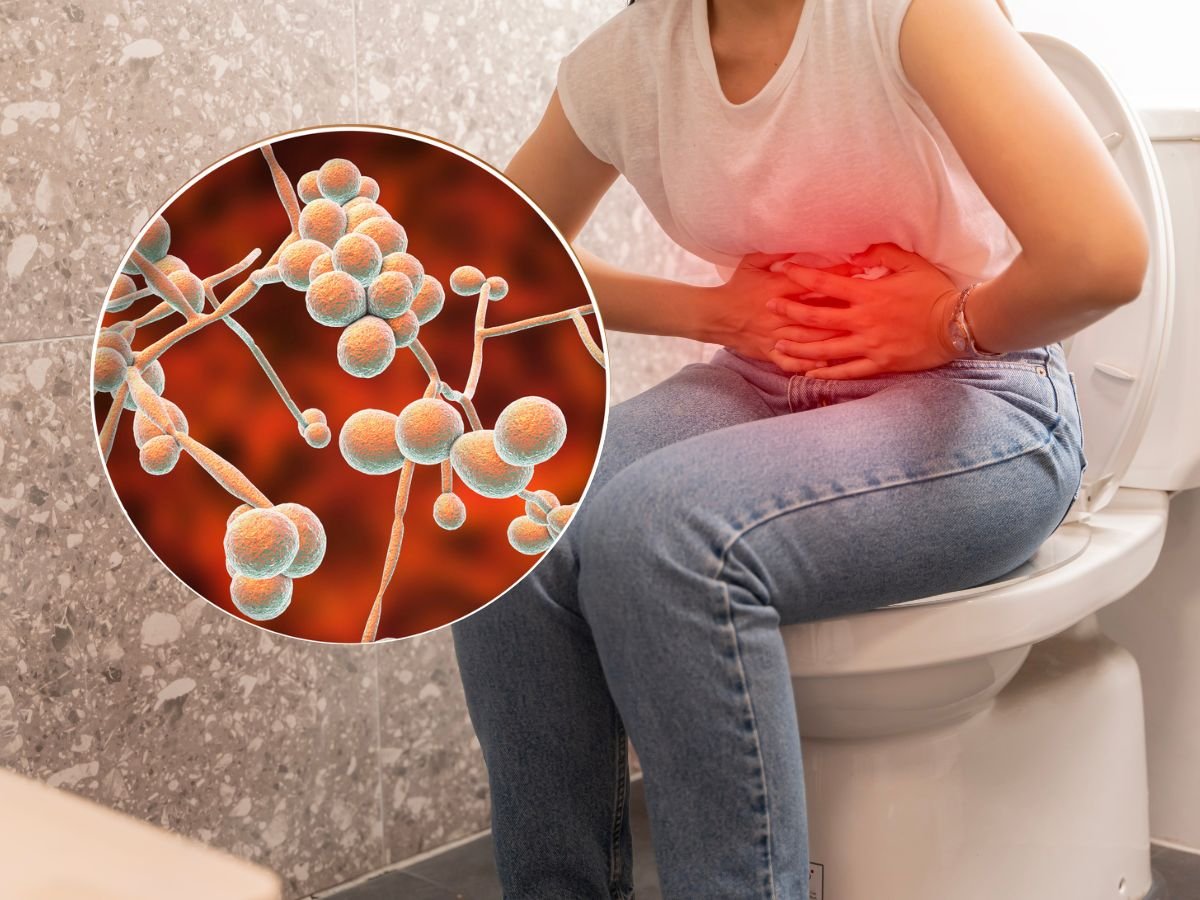
In case the distress is chronic, its health results may be very critical. Studies indicate that chronic stress may lead to such problems as sleeping disorders, poor immunity, a headache, gastrointestinal disorders, and mental disorders including anxiety and depression.
Eustress vs Distress: the difference between good stress and bad stress
The National Institute Of Health says,”Stress in much of the educational literature is assumed to be a wholly negative response to negative stimuli which results in negative outcomes such as depression or anxiety”.
- The primary distinction between eustress and distress is the way human bodies and minds interpret a stressful event.
- Eustress is generally encouraging, short-lived, and connected with positive emotions whereas distress is usually overpowering, enduring, and is accompanied by negative emotions.
- Control is the other significant distinction. Individuals who undergo eustress tend to believe that they can manage the situation, but when someone is distressed, he or she feels powerless or coerced.
- Although both forms of stress stimulate the body to react to stress, the effect is highly dissimilar in terms of emotional and mental consequences.
How to cope up with stress?
Your reactions to stressful events are also a major contributor to the occurrence of stress as beneficial or detrimental. To be able to cope with stress, the experts propose the following:
- Manage your time so as not to be overwhelmed.
- Have breaks and rest, particularly when it is busy.
- Work out often as a way of getting rid of stress hormones.
- Meditate or be mindful so that you are mentally balanced.
- Support system of friends and family is strong.
Overall, eustress may inspire and keep you going, whereas distress is dangerous to both mental and physical well-being when not managed. Knowing what makes a good stress and the bad one will help you make improved steps to a healthier and more balanced life.
Disclaimer: Dear readers, this article provides general information and advice only. It is not at all professional medical advice. Therefore, always consult your doctor or a healthcare specialist for more information.











Leave a comment