Home Latest News Dr. Mohsin Wali’s Health Budget Wishlist 2020
Latest News

Dr. Mohsin Wali’s Health Budget Wishlist 2020

Share
Share

New Delhi, January 31: Healthwire welcomes the new year by bringing a unique series to its readers voices of leading doctors, renowned professionals and policy makers hailing from top healthcare, research and development, financial and pharmaceutical industries who would float their ideas, suggestions and recommendations over the areas in healthcare sector that should be covered or addressed in the upcoming Union Health Budget 2020-21.

Dr. Mohsin Wali

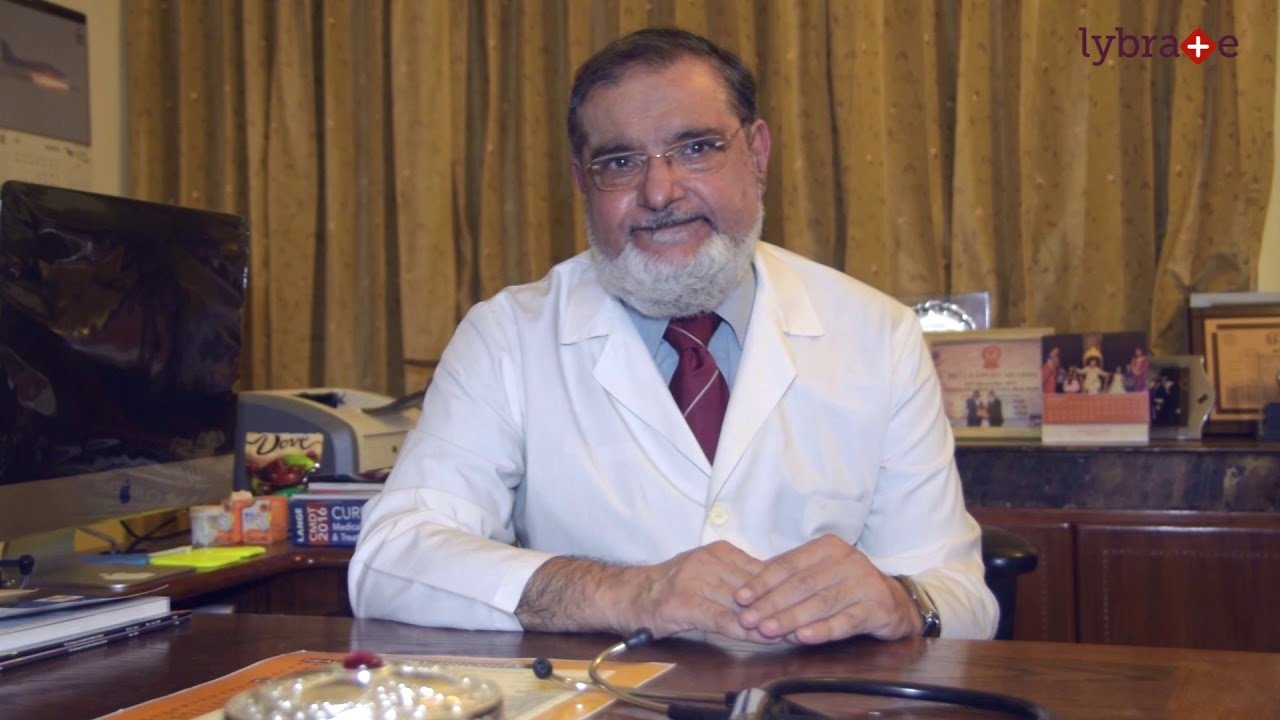
Speaking to Healthwire, Dr. Mohsin Wali, Leading Cardiologist, Sir Ganga Ram Hospital, Personal Physician to the President of India mentioned his wishlist for the upcoming Union Health Budget in detail.

The subjects of his prime focus was on cheap medical devices, revamping primary healthcare centres, emergency medicines, violence on doctors, maternal and child health and elderly care.

Dr. Wali’s Wishlist

It is time to talk about patients. Recently, the government has done a lot for Indian patients and also in the area of medical tourism. We still provide the beast treatment to our medical tourism patients at a very competitive price.

Medical Devices

Every year something has to be done. Government has done quite a drastic reduction in the cost of stents but there are some other devices like heart valves and some less talked devices like cardioverters, implantable cardioverters and defibilators which are quite expensive range between Rs. 10-12 lacs.

So, the government has to take care of it and fix the responsibility for some department to reduce the price for the patient. Then there are prosthesis, brain stents and other devices which are also expensive, so overall, whatever appliances are in use, like eye lenses are very cheap in India and we have lots of patients who need them.

Ayushman Bharat

The other thing is that the Ayushman Bharat Yojna, PM-JAY which is developed by our Prime Minister Narendra Modi and introduced in a bigger way across the country, has still not being accepted by many states which have not accepted it so they should be made to realize the importance and they should accept it.

Through this scheme, more coverage to the poor beneficiary should be given and more hospitals should be registered that’s my suggestion.

We are already doing the good work in this direction and lots and lots of people getting benefitted from this scheme.

Primary Healthcare

Apart from that, the government has come forward with a very sound health policy and in this policy the stress was given on the primary health care. Pratt healthcare is a concern of every citizen and it is cheaper. If it’s redistributed at the periphery then the cost cutting is automatically done. The already existing dispensaries which are run by the central government in many districts, headquarters and cities are to be revamped. New wellness centres are being reopened and they should be further developed. The practicle problem with these centres is the staff, so new staff needs to be recruited in both paramedical and medical sectors.

The doctors should be going to the villages and that’s also very important because my India lives in villages. Doctors should go and willingly work there. There should be basic infrastructure and facilities for the doctors and their families to live because this is the common pretext on which doctors are not very much willing to rural areas and that’s a great difficulty.

Apart from the development of primary health care centre, there is also a need for immediate emergency care. We are lacking behind in emergency medicines so more seats in medical colleges for emergency medicines should be opened and both at graduate and post-graduate level they should be taught. Also, trauma medicine should be covered in this because accidents are still major cause of death in India.

Maternity & Child Health

Then comes maternal and child health. Most of our existing hospitals don’t have neo-natal ICUs which is the cause of death of a lot of children. We recently saw how infants died in Kota. The reason behind it is that the ICU management for the infants is adequate.

So more neo-natal ICUs should be opened and and more beds ICUs also should be opened so that more patients of trauma, head injury, strokes, heart attacks could be accomodated and treated there.

Vaccination Programs

Apart from this, we have effective vaccination program. When Mr. JP Nadda was health minister, he introduced ‘Indradhanush’ program and it is working very well. Out polio program is working very well and it is internationally acclaimed. So, the outreach of these programmes has to be increased.

Bill to Protect Doctors

Then other issues concerning doctors is that there was Bill introduced by our Honourable Health Minister Dr. Harshvardhan for assault on doctors to be made an unbailable and punishable crime. That Bill needs to be passed in Lok Sabha and Rajya Sabha. The government should protect the interest of the doctors who are serving.

Tackling Pollution

Most importantly, it is required that the introduction of all these schemes reach the masses. We have pollution as a great problem so pollution reduction measures should be effectively implemented with a strong political will because we pay so much money after people suffer due to the hazards of the pollution.

Elderly Care System

Our elderly also need under-one-roof care so there should be schemes and introduction of geriatric medicine in medical colleges as a teaching subject and also a department of geriatric medicine in which a patient goes and receive care for prostate, stomach, brain, neurological conditions, heart conditions, liver and urinary conditions and whatever he suffers from old age.

So with kind of approach, we can have another step marching forward in the medical field and good for the nation. As I said that medical tourism is already increasing in India at competitive price so we have to probably open some centres abroad that we can make them as catchment areas.


Share

Leave a comment

Leave a Reply

Your email address will not be published. Required fields are marked *

Don't Miss

Latest News

Union Budget 2026 LIVE: What Does the Healthcare Sector Seek?

As Finance Minister Nirmala Sitharaman presents the Union Budget 2026, the healthcare sector is closely tracking the announcements, hoping for decisive reforms that...

Cancer
Press ReleaseVirus & Disease

Nipah Virus Infection – India

Situation at a glance On 26 January 2026, the National IHR Focal Point for India notified WHO of two laboratory‑confirmed cases of Nipah...

Latest News

Hidden Cancers in Women: Early Symptoms You’re Probably Ignoring

Many cancers in women remain undetected until they reach advanced stages, making early awareness and screening critical. While breast and cervical cancers receive...

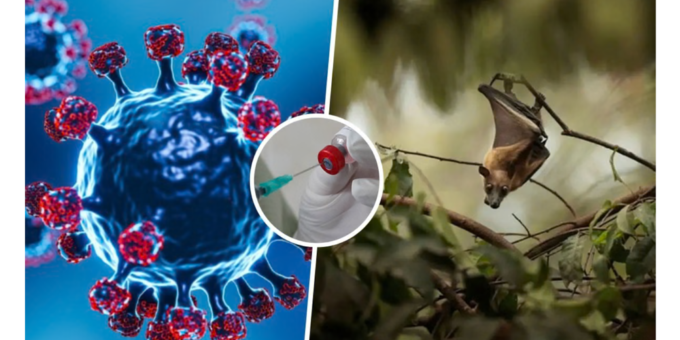
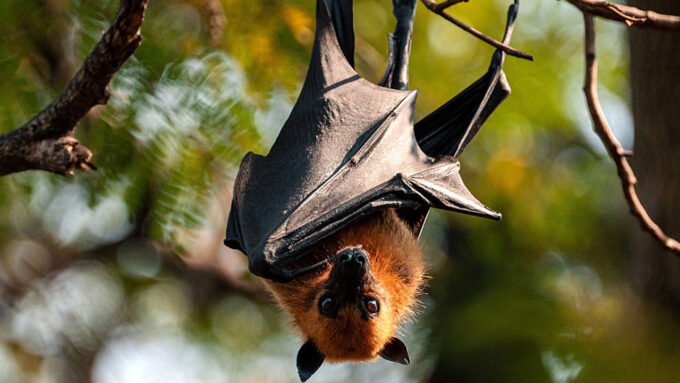
The Nipah virus is considered one of the deadliest zoonotic infections globally, not because it spreads rapidly like influenza or COVID-19, but because of its extremely high fatality rate, rapid progression, and severe brain involvement. Medical experts warn that once symptoms escalate, the disease can turn fatal within days. According to available data, the case fatality rate of Nipah virus ranges between 50 and 75 per cent, placing it among the most lethal viral infections known to humans. In this explainer, Dr Dip Narayan Mukherjee, Consultant – Microbiology and Infectious Diseases, CK Birla Hospitals, CMRI, sheds light on why the virus is so dangerous and difficult to control. Why Is the Nipah Virus So Deadly? According to Dr Mukherjee, Nipah’s lethality lies in a combination of delayed symptom recognition, aggressive disease progression, and early involvement of the brain. “Nipah virus often begins with very non-specific symptoms, which makes early detection difficult. By the time it is clinically suspected, the virus may have already affected the brain,” he explains. Early Symptoms Often Go Unnoticed One of the biggest challenges in controlling Nipah virus is that its initial symptoms closely resemble common viral illnesses, leading to delays in diagnosis and isolation. Early symptoms include: Fever Headache Cough Muscle pain General weakness “These symptoms are easily mistaken for flu, viral fever, or respiratory infections,” says Dr Mukherjee. “This delay gives the virus time to progress silently.” Severe Brain Infection Drives High Mortality The most dangerous aspect of Nipah virus infection is its neurological involvement. The virus frequently causes encephalitis, or inflammation of the brain, which significantly increases the risk of death. Neurological symptoms may include: Seizures Confusion and altered consciousness Extreme drowsiness Coma “Once the central nervous system is involved, the disease becomes very difficult to manage,” Dr Mukherjee notes. “At this stage, treatment is largely supportive because there is no specific antiviral therapy available.” This lack of targeted treatment options makes early detection critical. Human-to-Human Transmission Raises Risk While Nipah virus is primarily transmitted from fruit bats, it can also spread from person to person, particularly in healthcare settings. Dr Mukherjee points out that: Caregivers and healthcare workers are at higher risk Exposure to high viral loads can worsen outcomes Inadequate infection control increases transmission risk “Strict adherence to infection control practices is essential. Even a small lapse can result in secondary infections,” he says. Zoonotic Nature Makes Exposure Hard to Predict Nipah virus is transmitted from fruit bats, either directly or through intermediate hosts such as pigs. This zoonotic pattern makes outbreaks unpredictable, especially in regions where humans, animals, and wildlife interact closely. Adding to the challenge: There is no approved vaccine Treatment options remain limited Isolation protocols must be strictly enforced What Can Reduce Nipah Fatalities? According to experts, early action remains the most effective defence against Nipah virus. Key measures include: Early isolation of suspected cases Strict use of personal protective equipment (PPE) Rapid escalation and referral to specialised centres Strong hospital infection control protocols “The earlier the virus is identified and contained, the better the chances of preventing severe disease and fatalities,” Dr Mukherjee emphasises. The Bottom Line Nipah virus continues to be a serious public health threat because of its high fatality rate, neurological complications, and lack of targeted treatment. Its ability to masquerade as a mild illness in the early stages makes vigilance crucial. Health experts stress that awareness, early suspicion, and strict infection control are currently the most powerful tools to reduce deaths linked to this deadly virus. As Dr Mukherjee concludes, “With Nipah, time is the most critical factor. Early recognition can save lives.”
Latest News

Nipah Virus in India: What You Should Know and How to Stay Safe

Nipah virus (NiV) is a rare but highly dangerous zoonotic virus that can be transmitted from animals to humans and, in some cases,...

Latest News

How Seasonal Flu Symptoms Are Changing in 2026—and What It Means for You

Seasonal influenza, commonly known as the flu, affects millions of people worldwide every year, and 2026 has already shown changes in how the...

Section title

Related Articles
Latest News

NEET-PG 2025 Controversy: MD/MS Seats Allotted to Low and Negative Scorers

The NEET-PG 2025 third-round counselling has stirred nationwide debate after MD and...

Latest News

International Epilepsy Day 2026: Why Early Diagnosis and Treatment Can Change Lives for Millions in India

Every year, International Epilepsy Day serves as a crucial reminder of the...

Latest News

From Fever to Brain Swelling: A Complete Guide to Nipah Virus Symptoms Doctors Are Warning About

The Nipah virus (NiV) has once again made headlines as a deadly...

Latest News

Broken Heart Syndrome Is Real: Doctor Explains Why Emotional Stress Can Trigger Heart Attacks

When we hear the phrase “broken heart,” most of us think of...

×