


New Delhi, 27 August 2025: In India, a silent crisis unfolds each month in the bodies of millions of women—severe menstrual pain routinely dismissed as “normal.” Yet this widespread belief is masking a deeper issue: the rising prevalence of endometriosis, a chronic and often debilitating reproductive condition affecting an estimated 42–43 million Indian women. It’s time for that narrative to change.
The Hidden Burden of a Widespread Condition
Endometriosis occurs when tissue similar to the uterine lining grows outside the uterus—typically on the ovaries, fallopian tubes, and pelvic lining. Responding to hormonal shifts, these misplaced tissues cause inflammation, scarring, adhesions, and sometimes cysts. This leads to intense pain, infertility, and serious complications that affect not just reproductive health but overall quality of life.
Globally, approximately one in ten women of reproductive age is affected by endometriosis. In India, this means tens of millions of women live with a disease that is still largely misunderstood or misdiagnosed. In major cities, healthcare professionals are reporting a steady rise in diagnosed cases, particularly among women in their 20s and 30s. Environmental triggers like pollution and hormone-disrupting chemicals are believed to play a role in this surge.
Diagnosis: A Journey of Delay and Denial
The average time it takes to receive an accurate endometriosis diagnosis is shockingly long—often six to seven years. During this time, women may see several doctors, undergo multiple tests, and still be told that their pain is either “normal” or psychosomatic.
This delay is often rooted in cultural conditioning. From a young age, many girls are taught that period pain is just part of being a woman. Some are told it’s hereditary, passed down from their mother or grandmother. Instead of being encouraged to seek medical attention, they are expected to endure in silence.
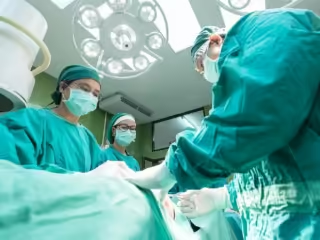
In reality, severe menstrual pain that disrupts daily activities is not normal. Yet the stigma surrounding menstruation in Indian society makes open discussion and timely treatment even more difficult. Many women continue to suffer for years before being referred to a specialist or undergoing laparoscopy—the surgical procedure needed to confirm endometriosis.
Mental Health: The Invisible Fallout
Beyond physical symptoms, endometriosis takes a heavy toll on mental health. Chronic pain, disrupted routines, missed opportunities, and social isolation contribute to depression, anxiety, and feelings of helplessness. Many women report experiencing fatigue, brain fog, and a diminished sense of self-worth.
Because the disease often affects young women during their most productive years, it can hinder careers, relationships, and personal aspirations. Unfortunately, emotional struggles are rarely addressed as part of the treatment plan.
Urban vs Rural Divide: A Matter of Access
In urban areas, growing awareness and better access to specialists are leading to more diagnoses. However, even in cities, many women still face years of misdiagnosis due to the normalization of pain.
In rural India, the situation is significantly worse. Lack of awareness, insufficient training among general practitioners, limited diagnostic facilities, and deeply rooted taboos delay intervention. Women often go untreated or are offered symptomatic relief without a proper understanding of the condition’s underlying cause.
There is an urgent need to strengthen healthcare delivery systems in tier-2 and tier-3 towns, as well as remote rural areas, to ensure early detection and appropriate care.
The Role of Awareness and Advocacy
Fortunately, some progress is being made. Public health organizations, gynecology societies, and medical educators are beginning to promote awareness and improve diagnostic capabilities. Task forces have been created to train healthcare workers, develop treatment guidelines, and promote the use of better diagnostic tools at the district level.
Efforts are also being made to provide information in regional languages to make healthcare more inclusive and accessible. These initiatives aim to bridge the gap between diagnosis and care, especially in under-resourced regions.
On the grassroots level, advocates, health coaches, and survivors are using social media, support groups, and wellness platforms to break taboos and empower women with knowledge about their bodies. Holistic approaches that integrate mental health support, diet, and lifestyle management are helping women manage their symptoms more effectively.
Policy Gaps and Insurance Challenges
Despite the growing burden, endometriosis still lacks adequate recognition in national health policies. It is not included in many public health programs or insurance schemes unless linked with infertility or surgery. As a result, many women are forced to bear the high cost of treatment on their own.
Surgical procedures, medications, and follow-up care can be expensive—and because the disease is chronic, management is often lifelong. Without policy support and insurance coverage, access to quality care remains a privilege rather than a right.
There is growing demand among healthcare experts and patient communities for the government to treat endometriosis as a chronic condition—much like diabetes or hypertension—and to include it under national health missions.
Education Is Key
One of the most powerful tools in fighting endometriosis is education. Menstrual health and reproductive wellness should be part of school curricula, helping young girls understand what is normal and what warrants medical attention. Educating boys and families is equally important to reduce stigma and foster supportive environments.
Healthcare providers—especially general physicians and pediatricians—need training to recognize early signs of endometriosis and refer patients appropriately. Awareness campaigns at the community level can ensure that more women get the help they need before the disease progresses.
Amplifying Survivor Voices
Women who have lived through the pain of endometriosis are increasingly sharing their stories in public forums. These voices are powerful—they challenge stereotypes, create empathy, and offer hope. From social media influencers to everyday women, personal stories are changing the way society understands period pain.
When women feel seen and heard, they are more likely to seek care and speak up for others. That’s why survivor-led advocacy is essential in driving long-term change.
Steps Forward
To effectively address the growing crisis of endometriosis in India, the following steps are essential:
- Stop normalizing pain: Period pain that disrupts life is not normal and should never be dismissed.
- Increase awareness: Public health campaigns, school programs, and community outreach must prioritize menstrual health education.
- Improve diagnosis: Equip local clinics and hospitals with the tools and training needed to detect endometriosis early.
- Expand insurance: Include endometriosis under health schemes and make treatments affordable for all.
- Offer holistic care: Combine medical treatment with mental health support, nutrition, and lifestyle interventions.
- Listen to women: Elevate survivor voices, support peer networks, and create safe spaces for women to share and heal.
Endometriosis is more than just painful periods—it’s a serious, chronic condition that can severely impact a woman’s life. In India, the combination of stigma, misinformation, and poor healthcare access has allowed millions to suffer in silence.
It’s time to shift the narrative. Period pain is not a badge of womanhood—it’s a symptom that deserves attention, compassion, and care. By breaking the silence and reforming the system, India can move closer to a future where no woman has to endure this invisible illness alone.










Leave a comment