


New Delhi, 12 July 2025: Managing diabetes effectively requires consistent effort, lifestyle awareness, and the right strategies to prevent spikes in blood sugar levels. While medication plays a crucial role in controlling blood glucose, many people with type 2 diabetes or prediabetes look for natural ways to complement their treatment and reduce reliance on drugs. High blood sugar, if left unmanaged, can lead to serious complications such as nerve damage, kidney failure, heart disease, and vision problems. Fortunately, adopting certain habits and making small changes in your daily routine can significantly improve blood sugar control and overall health. Natural blood sugar management is not just about avoiding sugar—it’s about building a balanced lifestyle that supports your body’s ability to regulate glucose levels efficiently and sustainably.
Eat Low Glycemic Index Foods and Balance Your Meals
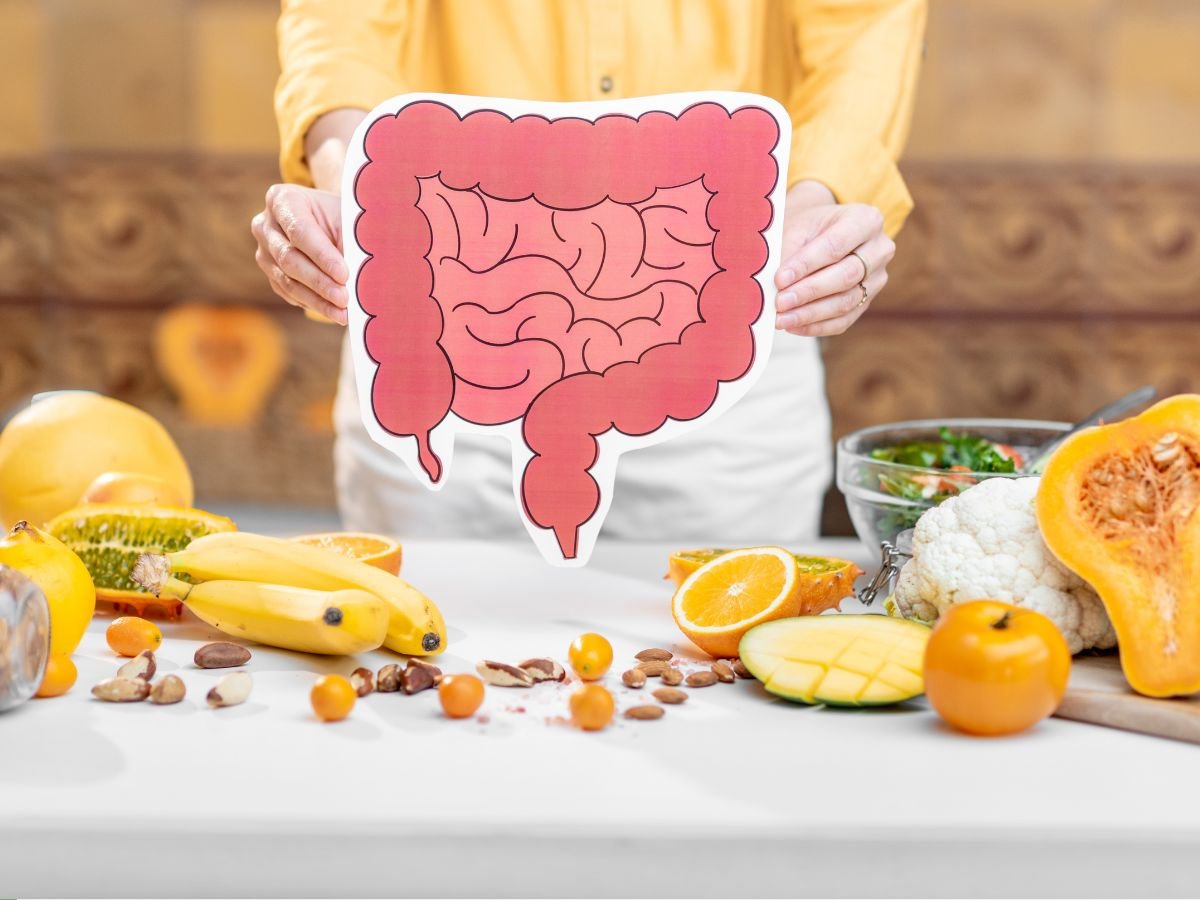
One of the most effective ways to naturally lower high blood sugar is by eating foods with a low glycemic index (GI). These foods are digested slowly and help prevent sharp spikes in blood glucose. Whole grains like oats and quinoa, legumes, leafy vegetables, nuts, seeds, and most fruits are all great options. Avoid refined carbohydrates such as white rice, sugary cereals, white bread, and sweetened beverages, which can cause sudden sugar surges. A balanced meal should include a mix of fibre, protein, and healthy fats to slow down digestion and reduce insulin demand. Eating smaller, more frequent meals instead of heavy portions can also help maintain stable glucose levels throughout the day.
Stay Physically Active to Improve Insulin Sensitivity
Exercise is one of the most powerful tools for lowering blood sugar naturally. Regular physical activity helps increase insulin sensitivity, allowing your cells to absorb more glucose from the bloodstream. Activities like brisk walking, yoga, cycling, swimming, or strength training can all be effective in managing diabetes. Even a 30-minute walk after meals can significantly reduce post-meal blood sugar spikes. Staying active throughout the day by avoiding prolonged sitting and incorporating simple stretches or short walks can also make a big difference in long-term glucose control.
Hydrate Well and Avoid Sugary Drinks
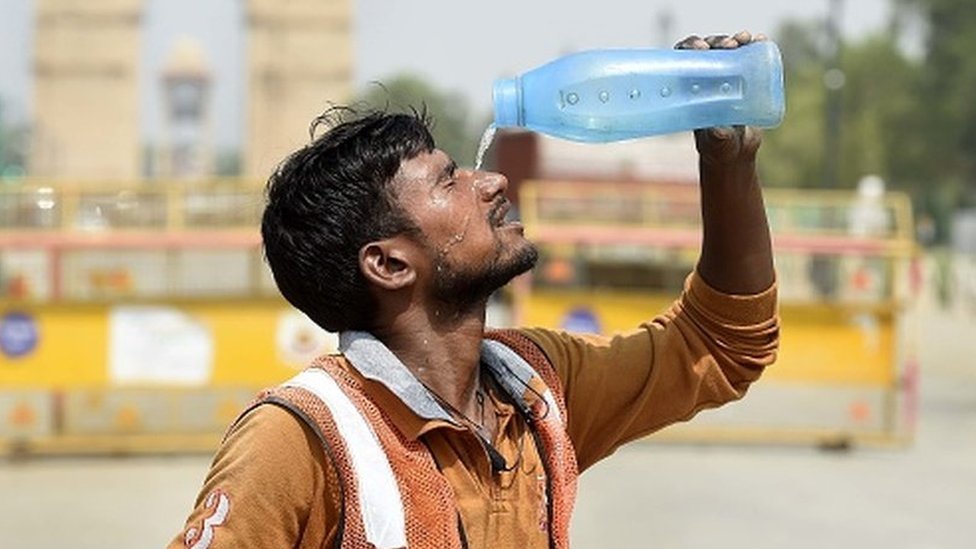
Drinking plenty of water is essential for flushing excess glucose from your system through urine. Dehydration can cause blood sugar levels to rise, so keeping yourself hydrated helps support your body’s natural detox process. Stick to water, herbal teas, and infused water with lemon or cucumber for added flavour. Avoid fruit juices, soda, and energy drinks that are loaded with sugar and can lead to rapid glucose spikes. Coconut water and buttermilk can also be good hydrating options if consumed unsweetened and in moderation.
Get Enough Sleep and Manage Stress
Poor sleep and high stress levels can disrupt hormones like cortisol and adrenaline, which in turn increase blood sugar levels. Chronic stress can cause insulin resistance, making it harder for your body to manage glucose effectively. Practicing stress-reducing activities such as deep breathing, meditation, or gentle yoga can help regulate both mood and blood sugar. Aim for 7 to 8 hours of quality sleep every night, and maintain a consistent sleep schedule to support your body’s metabolic functions. Creating a calming bedtime routine, reducing screen time before bed, and avoiding caffeine in the evening can promote better rest.
Include Natural Herbs and Spices Known to Help Control Blood Sugar
Several herbs and natural ingredients have been shown to support healthy blood sugar levels. Fenugreek seeds, cinnamon, bitter gourd (karela), neem, Indian gooseberry (amla), and turmeric have properties that may enhance insulin function or lower glucose absorption. Drinking herbal teas made with cinnamon or fenugreek or incorporating these ingredients into meals can be beneficial when used consistently. However, they should complement—not replace—medical treatment. Always consult your doctor before starting any herbal supplements, especially if you’re on diabetes medication, to avoid interactions.
Monitor Your Blood Sugar and Stay Consistent
One of the most important aspects of managing diabetes naturally is tracking your progress. Regularly monitor your blood sugar levels to understand how your body responds to different foods, activities, and stress levels. Keep a log of your readings and lifestyle habits to identify patterns and make informed adjustments. Consistency is key—sudden changes or occasional efforts won’t bring lasting results. Build habits that are realistic, sustainable, and aligned with your personal health goals for better long-term outcomes.
Lowering high blood sugar levels naturally is entirely possible with a combination of healthy eating, regular exercise, stress management, proper hydration, and sleep. It’s not about making extreme changes but rather adopting a steady, holistic lifestyle that supports your body’s natural balance. With the right knowledge and discipline, managing diabetes can become a manageable part of daily life—without fear, without complication, and with confidence in your health journey.















Leave a comment