

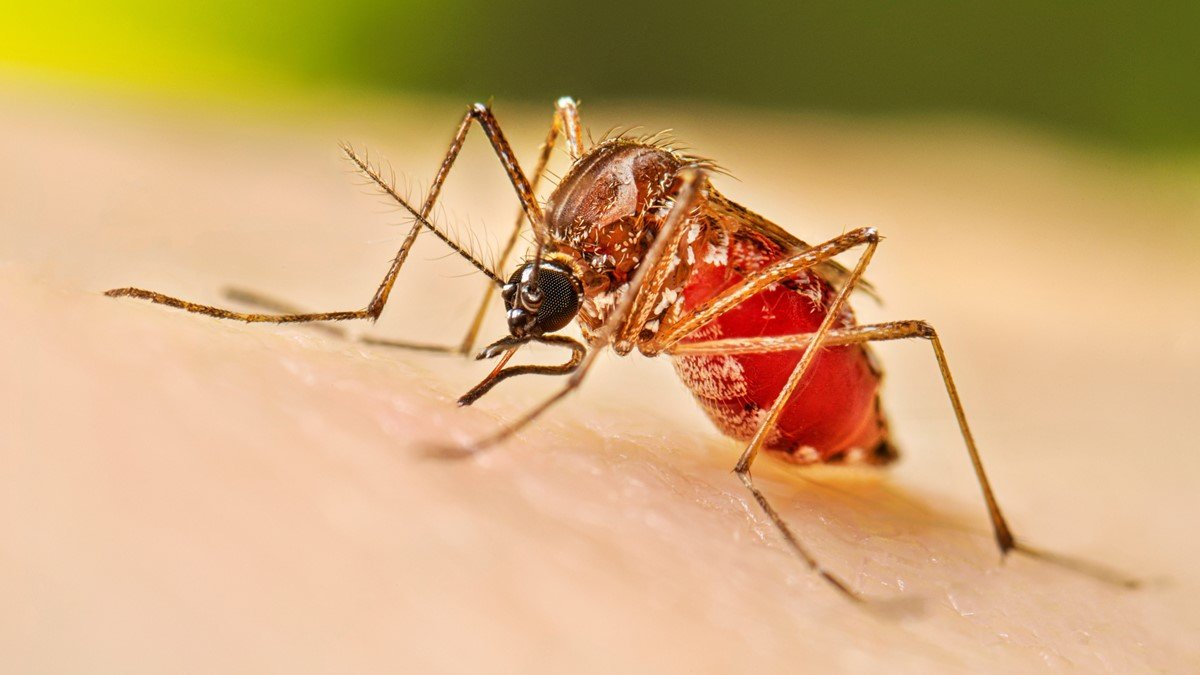
New Delhi, 22 September, 2025: Dengue fever, often referred to as “breakbone fever,” is a mosquito-borne viral infection that affects millions of people each year, particularly in tropical and subtropical regions. The illness is characterized by high fever, severe headaches, muscle and joint pain, skin rashes, nausea, and fatigue. In more severe cases, dengue can progress into dengue hemorrhagic fever or dengue shock syndrome, both of which are life-threatening.
While there is no specific antiviral treatment for dengue, proper medical care combined with a nutrient-rich diet can significantly improve recovery and reduce complications. Nutrition plays a vital role in strengthening immunity, managing symptoms, and maintaining platelet levels. However, not all foods are beneficial during dengue. In fact, certain foods can worsen symptoms, hinder recovery, or even aggravate complications.
In this article, we’ll explore 7 foods you should never eat if you are infected with dengue fever and understand why avoiding them is essential for faster recovery.
Why Diet Matters in Dengue
Dengue fever puts tremendous stress on the body. The immune system works overtime to fight the virus, while platelet counts may drop drastically, increasing the risk of bleeding. At this stage:
- Good nutrition helps replenish lost nutrients, boost immunity, and maintain hydration.
- Wrong foods can worsen inflammation, cause digestive distress, and slow down the healing process.
This makes dietary choices just as important as medical treatment in managing dengue.
1. Oily and Fried Foods
Foods that are deep-fried or loaded with oil—such as samosas, pakoras, chips, or fried chicken—are difficult to digest and can put unnecessary strain on the digestive system, which is already weakened during dengue.
Why Avoid?
- Fried foods increase cholesterol levels and inflammation.
- They can cause bloating, indigestion, and nausea, common dengue symptoms.
- Excess oil slows down nutrient absorption, which is crucial during recovery.
Better Alternative: Opt for steamed, boiled, or lightly sautéed foods that are easy to digest and gentle on the stomach.
2. Spicy Foods
Spicy curries, pickles, hot sauces, and chili-laden meals should be avoided during dengue.
Why Avoid?
- Spices like chili, pepper, and garlic may irritate the stomach lining.
- They worsen acidity, heartburn, and indigestion.
- Spicy foods can also dehydrate the body, while dengue patients need optimal hydration.
Better Alternative: Choose mild, lightly seasoned foods like soups, vegetable broths, and khichdi that soothe the stomach.
3. Caffeinated Beverages (Tea, Coffee, Energy Drinks)
While tea and coffee may be a part of daily life, they are not suitable during dengue. Similarly, energy drinks and sodas are strictly discouraged.
Why Avoid?
- Caffeine is a diuretic, meaning it increases urine output and leads to dehydration—dangerous in dengue.
- It can also interfere with rest and sleep, which are essential for recovery.
- Caffeine causes acidity and worsens nausea.
Better Alternative: Drink coconut water, fresh fruit juices (without added sugar), herbal teas, or simply plain water to stay hydrated.
4. Sugary Foods and Processed Sweets
Cakes, pastries, chocolates, candy, and packaged juices high in sugar may seem tempting but should be strictly avoided.
Why Avoid?
- Sugar weakens immunity by feeding harmful bacteria and reducing the body’s defense against the virus.
- Processed sweets cause blood sugar spikes followed by crashes, leaving you more fatigued.
- Excess sugar leads to inflammation, which worsens joint pain and fever symptoms.
Better Alternative: Go for naturally sweet foods like papaya, pomegranate, and kiwi, which also help improve platelet counts.
5. Red Meat
Beef, pork, and lamb may be rich in protein, but they are heavy foods that require more energy to digest.
Why Avoid?
- Red meat is difficult for a weakened digestive system to process.
- It can cause acidity, bloating, and heaviness.
- High-fat cuts may worsen inflammation and delay recovery.
Better Alternative: Lean protein sources such as chicken broth, eggs (if tolerated), lentils, and pulses provide protein without burdening digestion.
6. Alcohol
Alcohol is one of the worst things to consume during dengue and should be strictly avoided.
Why Avoid?
- Alcohol severely dehydrates the body, which is already a concern in dengue.
- It weakens the immune system, making it harder to fight the virus.
- Alcohol strains the liver, which dengue already compromises, leading to an increased risk of complications.
Better Alternative: Stick to water, lemon water, and fresh juices for hydration.
7. Processed and Packaged Foods
Instant noodles, canned soups, frozen meals, chips, and other packaged snacks contain preservatives, salt, and artificial ingredients that do more harm than good.
Why Avoid?
- High salt content causes water retention and bloating.
- Preservatives and additives add unnecessary stress on the liver.
- Lack of real nutrition delays recovery.
Better Alternative: Eat freshly cooked home meals, soft fruits, vegetable soups, and porridge for better nourishment.
Foods You Should Eat During Dengue
Now that we know what to avoid, here’s a quick look at foods that aid recovery:
- Papaya leaf extract or juice – Believed to help boost platelet count.
- Citrus fruits (oranges, lemons, kiwi) – Rich in Vitamin C for immunity.
- Pomegranate and beetroot – Support blood production and energy.
- Coconut water – Replenishes electrolytes.
- Soups, broths, and khichdi – Light, nutritious, and easy to digest.
- Hydrating fruits like watermelon and cucumber – Prevent dehydration.
Tips for a Dengue Recovery Diet
- Eat small, frequent meals – Helps prevent nausea and ensures steady nutrition.
- Prioritize hydration – Drink at least 8–10 glasses of fluids daily.
- Choose easily digestible foods – Soft, cooked meals are better than raw or heavy foods.
- Focus on nutrient-rich meals – High in vitamins, minerals, and antioxidants.
- Rest well – Nutrition supports recovery, but rest is equally important.
Diet plays a crucial role in dengue management. While there is no magic food that cures dengue, avoiding harmful foods and focusing on nutrient-dense, hydrating options can make a big difference in recovery speed and symptom management.
To summarize, the 7 foods to avoid during dengue are:
- Oily and fried foods
- Spicy foods
- Caffeinated drinks
- Sugary and processed sweets
- Red meat
- Alcohol
- Processed and packaged foods
By eliminating these and embracing a light, balanced diet rich in fruits, vegetables, and fluids, dengue patients can support their immune system, protect their liver, and recover more quickly.















Leave a comment