

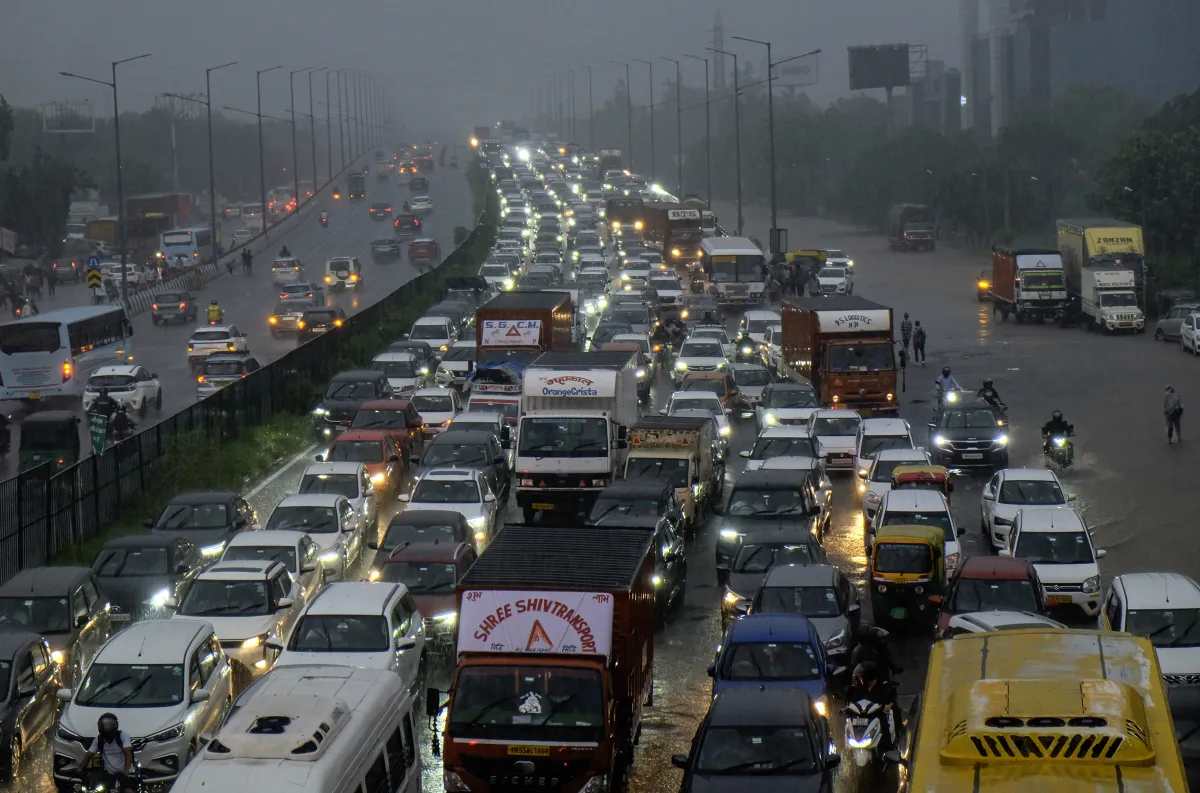
New Delhi, 02 September 2025: Delhi-NCR is reeling under the impact of relentless rainfall that has triggered widespread waterlogging, paralyzed traffic movement, and even disrupted flight operations. Gurugram, one of the worst-hit areas, is under an orange alert issued by the India Meteorological Department (IMD). The District Disaster Management Authority has ordered the closure of all schools, colleges, and offices, with work-from-home arrangements strongly encouraged.
While the immediate challenges for commuters are traffic snarls—some stretching as long as seven kilometers—and transport delays, medical experts caution that such weather conditions often come with hidden health risks. From waterborne diseases to vector-borne infections, respiratory complications, and stress-induced ailments, heavy rains and flooding can impact public health in multiple ways.
Mosquito-Borne Diseases on the Rise
One of the most significant health concerns following heavy rains is the sudden surge in mosquito breeding. Stagnant rainwater collected in potholes, drains, and waterlogged colonies becomes the perfect breeding ground for disease-spreading mosquitoes.
Doctors warn that Delhi-NCR could see a spike in vector-borne illnesses such as dengue, malaria, and chikungunya in the coming weeks. Dengue, in particular, tends to surge after spells of heavy rainfall, as the Aedes aegypti mosquito thrives in stagnant freshwater
Waterborne Infections Loom Large
Apart from mosquito-borne diseases, waterlogging in cities often leads to contamination of drinking water supplies. Sewage lines overflow into storm drains during heavy downpours, mixing with water pipelines. This increases the risk of waterborne infections such as cholera, diarrhea, typhoid, and hepatitis A.
Children and elderly individuals are especially vulnerable, with dehydration from diarrheal diseases posing a severe risk. Health experts recommend boiling water before consumption, using water purifiers, or drinking bottled water during such high-risk periods.
Street food and cut fruits sold in unhygienic conditions should be strictly avoided, as they can act as carriers of infectious bacteria and viruses.
Respiratory Issues and Asthma Flare-Ups
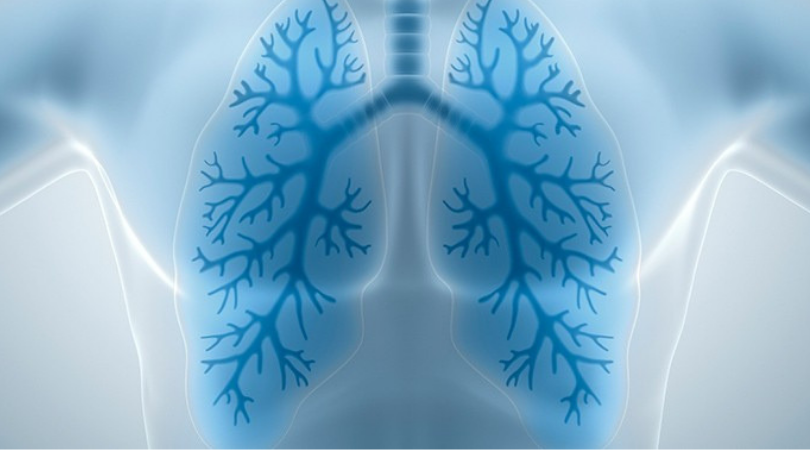
While rains may temporarily reduce dust and pollution, the damp and humid conditions can worsen respiratory illnesses. Doctors across NCR are reporting higher cases of asthma flare-ups, allergic rhinitis, and bronchitis during prolonged spells of monsoon rains.
Traffic jams and flooding also contribute to vehicular emissions staying concentrated in the air for longer, making it harder for asthma patients to breathe.
Skin and Fungal Infections
Floodwater is often contaminated with sewage, chemicals, and industrial waste. Walking through such water exposes the skin to harmful pathogens, leading to rashes, fungal infections, and in some cases, leptospirosis—a bacterial infection caused by contact with rat urine present in dirty water.
Doctors strongly advise residents to avoid wading through flooded areas. If unavoidable, people should wear protective footwear, wash thoroughly with soap after exposure, and keep their feet dry to prevent fungal growth.
Mental Stress and Cardiac Strain
Traffic congestion caused by waterlogging is not just an inconvenience—it can also have health consequences. Long hours stuck in traffic lead to rising stress levels, fatigue, and in some cases, hypertension spikes. For individuals with pre-existing heart conditions, such stress can increase the risk of cardiac events.
Elderly people and those with high blood pressure are especially advised to avoid peak traffic hours and unnecessary travel during heavy rainfall.
Precautionary Measures for Residents
Authorities and health experts have listed several precautionary steps for Delhi-NCR residents to stay safe during this period of heavy rainfall:
- Avoid Floodwaters: Refrain from walking or driving through waterlogged streets to reduce exposure to infections.
- Drink Safe Water: Consume boiled, purified, or bottled water only.
- Maintain Hygiene: Wash hands frequently with soap to avoid bacterial and viral infections.
- Use Mosquito Protection: Install nets, use repellents, and eliminate stagnant water around homes.
- Eat Fresh, Hot Food: Avoid raw or street food, which may be contaminated.
- Carry Medical Essentials: Asthma patients should keep inhalers handy; cardiac patients must not skip medications.
- Protect Feet: Wear waterproof shoes to avoid fungal infections and skin rashes.
- Stay Indoors: Minimize unnecessary travel, especially during peak rainfall.
The Role of Authorities
The District Disaster Management Authority has already instructed residents of Gurugram to stay home unless travel is essential. Work-from-home advisories, closure of schools and offices, and alerts about vulnerable areas are being circulated.
The Municipal Corporations in Delhi and Gurugram have been directed to conduct anti-mosquito fogging and ensure proper drainage of waterlogged streets to prevent outbreaks of dengue and malaria. Hospitals have also been asked to stay on alert for a possible surge in monsoon-related illnesses.
Residents Speak: A Daily Struggle
Many residents expressed concern about both the inconvenience and the health risks. “I spent three hours stuck in waterlogged traffic yesterday. The air felt heavy, and I could barely breathe. With so much dirty water around, I’m worried my children might fall sick,” said a Gurugram resident.
Another commuter added, “We understand rains are natural, but the lack of drainage management is making life miserable. Every monsoon we hear about dengue and malaria cases rising—it feels like a cycle we can’t break.”
Experts emphasize that awareness and proactive action are key to reducing the health burden during such weather crises. While authorities must work to improve drainage and emergency management, individuals can do their part by maintaining hygiene, ensuring safe drinking water, and promptly seeking medical help if symptoms appear.
The heavy rainfall in Delhi-NCR and the orange alert in Gurugram have created a dual challenge: battling immediate infrastructural chaos and preventing a looming health crisis. With waterlogging, traffic snarls, and flight disruptions already affecting daily life, health experts are warning of an inevitable spike in seasonal illnesses if precautions are not taken.
As residents brace for more rain in the coming days, vigilance, preventive measures, and timely medical attention will be crucial in safeguarding public health. While technology and civic planning continue to grapple with the challenges posed by extreme weather, individual responsibility remains the strongest line of defense against monsoon-related diseases.












Leave a comment