

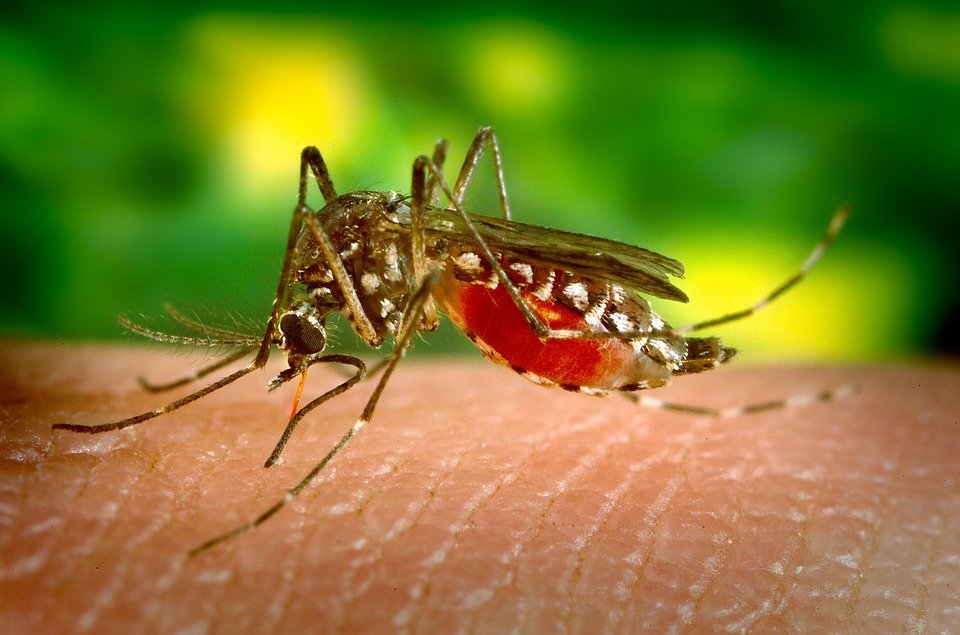
New Delhi, 26 July 2025: The World Health Organization has issued a chilling warning about the global spread of Chikungunya, a mosquito-borne virus once confined to tropical regions but now making dangerous inroads into new territories. With rising temperatures, climate change, and urban crowding fueling the rapid breeding of mosquitoes, the virus is now emerging in areas where it was previously unheard of—raising fresh fears of a major international health crisis.
Why WHO Is Worried Now
The concern stems from a disturbing uptick in Chikungunya outbreaks across several countries in recent months, with WHO confirming a sharp increase in reported cases, especially in densely populated urban regions. The virus, transmitted by Aedes mosquitoes—the same culprits behind dengue and Zika—is now expanding its reach due to environmental shifts and global travel, placing more people at risk than ever before. WHO experts are urging countries to strengthen surveillance, mosquito control measures, and early diagnosis to prevent widespread transmission.
What Is Chikungunya and How Dangerous Is It?
Chikungunya, often mistaken for dengue due to overlapping symptoms, causes high fever, severe joint pain, headache, rash, and fatigue. While it is rarely fatal, the intense joint pain can last for weeks or even months, leaving many patients bedridden and unable to function normally. In some severe cases, especially among the elderly or those with pre-existing conditions, complications can include neurological, heart, or eye problems. The name itself comes from an African language meaning “to become contorted,” reflecting the agonizing pain victims experience.
No Cure, No Vaccine—Only Prevention
What makes Chikungunya more alarming is that there is currently no specific antiviral treatment or widely available vaccine for it. Doctors can only treat the symptoms, not the virus itself. This means prevention is the only real defense. WHO is now calling for aggressive vector control efforts—especially targeting mosquito breeding sites in and around homes, such as stagnant water in pots, coolers, or drains. Simple steps like wearing full-sleeved clothes, using mosquito repellents, and installing nets are being pushed as essential first lines of defense.
Is Your Country at Risk?
While Chikungunya was once considered a tropical illness, its geographic footprint is expanding. Outbreaks have recently been reported in parts of Asia, Africa, South America, and even southern Europe. Experts say countries with warmer, wetter climates and poor mosquito control infrastructure are most vulnerable. And with global warming causing longer and more intense mosquito breeding seasons, even countries that were once considered safe may not be able to escape the threat for long.
Symptoms You Should Watch Out For
Early signs of Chikungunya infection appear 3–7 days after a mosquito bite and include sudden fever, rash, swollen joints, muscle pain, and nausea. The joint pain can be disabling and persist long after the fever subsides. If you’ve recently travelled to or live in an outbreak zone and experience these symptoms, health officials advise seeking medical attention immediately—especially to differentiate it from dengue or Zika.
A Wake-Up Call for Global Action
The WHO’s warning is not just about one virus—it’s a wake-up call about how climate change, urban sprawl, and lax public health measures are allowing old diseases to find new ground. Chikungunya’s re-emergence is a signal that other mosquito-borne illnesses may follow, including more aggressive forms of dengue, malaria, and yellow fever. The time to act, they say, is now—before another silent killer becomes a global emergency.
Chikungunya is no longer just a tropical threat—it’s a global one. With the World Health Organization raising a red flag, governments, communities, and individuals must take proactive steps to protect themselves. From cleaning water containers to protecting your body from mosquito bites, every action counts. Because with no vaccine in sight, prevention is the only cure—and the mosquitoes are not waiting.












Leave a comment