

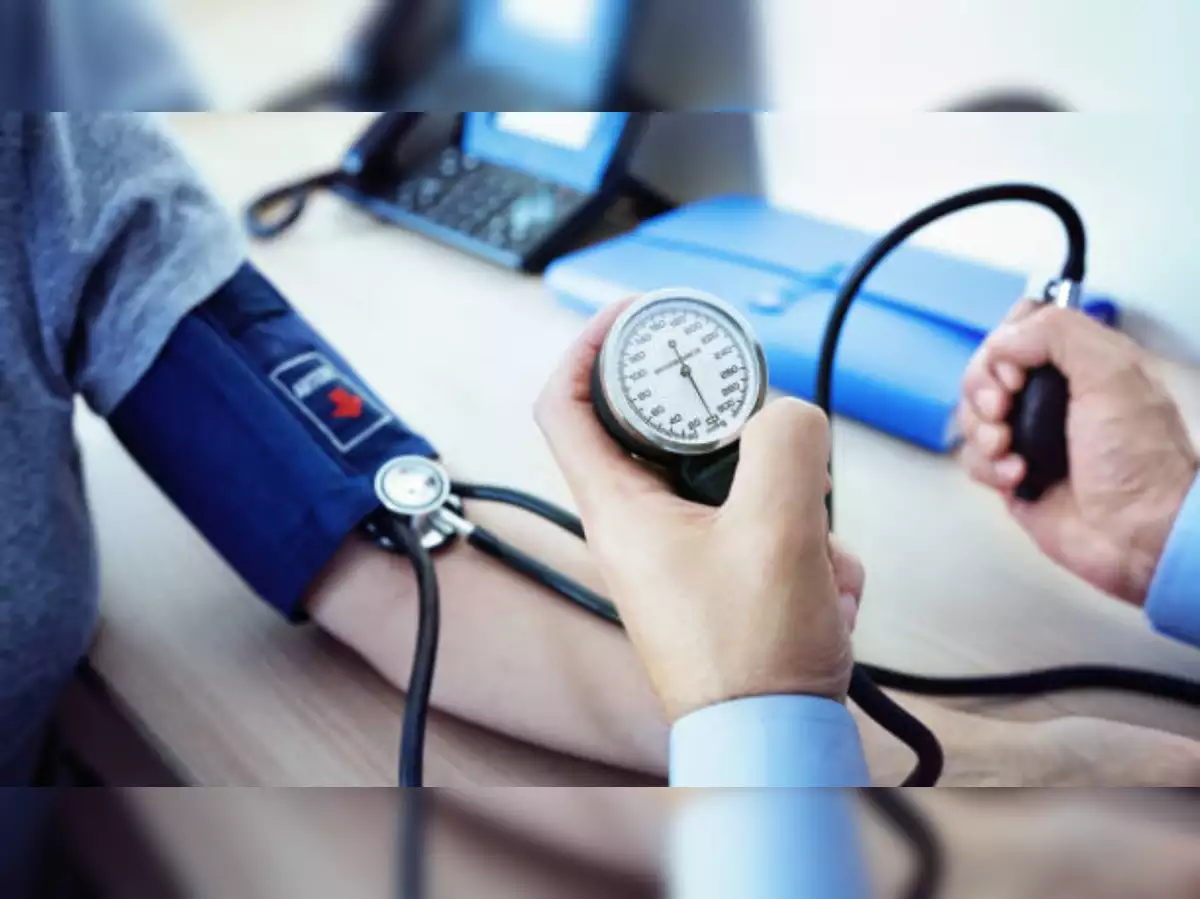
New Delhi: High blood pressure, or hypertension, is often called the “silent killer” because it can damage the heart, kidneys, and brain long before symptoms appear. According to global health estimates, nearly 1.3 billion adults worldwide have high blood pressure, yet many remain undiagnosed or undertreated. Regular monitoring is critical for prevention, early detection, and effective management—and the good news is that you don’t have to rely solely on clinic visits. Checking your blood pressure at home is an easy, cost-effective, and empowering way to stay on top of your heart health.
Monitoring at home allows you to track your blood pressure over time, avoid “white coat hypertension” (when readings spike in a clinical setting), and give your healthcare provider a clearer picture for personalized treatment. This article explains why home monitoring matters, how to do it correctly, and how to interpret the results for better cardiovascular outcomes.
Why Home Blood Pressure Monitoring Matters
1. Detecting High Blood Pressure Early
Many people with hypertension feel perfectly healthy. Without symptoms, high blood pressure often goes unnoticed until serious complications, such as heart attack, stroke, or kidney disease, occur. Checking your blood pressure at home helps catch changes early, allowing timely intervention.
2. Avoiding White Coat Hypertension
Blood pressure measured in a clinic may be higher due to stress, anxiety, or nervousness. Home monitoring provides a more accurate reflection of your everyday blood pressure.
3. Managing Treatment Effectively
If you are already taking medication for high blood pressure, home readings help assess whether the treatment is working. Regular measurements help your doctor adjust dosages or recommend lifestyle changes more precisely.
4. Empowering You to Take Control
Monitoring at home encourages lifestyle changes. When you see improvements linked to exercise, diet, or stress reduction, it reinforces healthy behaviors.
Choosing the Right Home Blood Pressure Monitor
Selecting an accurate, reliable device is crucial. Most experts recommend automatic, cuff-style monitors worn on the upper arm. Wrist and finger monitors are less accurate, especially if not used precisely.
Tips for Choosing a Monitor
- Look for clinically validated devices (check manufacturer and health authority certifications).
- Ensure the cuff fits your arm size. A cuff that is too small or too large can give incorrect readings.
- Consider monitors with memory storage, which can log multiple readings over time.
Preparing for Accurate Measurements
To ensure reliable readings, follow these preparation guidelines:
- Rest first: Sit quietly for at least 5 minutes before measuring.
- Avoid stimulants: Do not smoke, exercise, or consume caffeine 30 minutes before taking your measurement.
- Sit properly: Sit with your back supported, feet flat on the floor, and arm supported at heart level.
- Use the same arm each time: Blood pressure can vary between arms.
- Take multiple readings: Measure twice, one minute apart, and record the average.
Consistency in timing and technique is key to detecting meaningful changes over time.
When and How Often to Measure Blood Pressure
The frequency of monitoring depends on your health status:
- For healthy adults: Once or twice a week is often sufficient.
- For those with hypertension or at risk: Daily monitoring, preferably at the same times each day (morning and evening), can help track trends.
- After starting or adjusting medications: More frequent monitoring is useful to assess response.
Keeping a written log or using a digital device that stores readings is highly recommended for trend analysis.
Understanding Blood Pressure Readings
Blood pressure is expressed as systolic over diastolic pressure (e.g., 120/80 mmHg):
- Systolic (top number): Pressure when the heart beats
- Diastolic (bottom number): Pressure when the heart rests between beats
General Guidelines
- Normal: Less than 120/80 mmHg
- Elevated: Systolic 120–129 and diastolic <80 mmHg
- Hypertension Stage 1: Systolic 130–139 or diastolic 80–89 mmHg
- Hypertension Stage 2: Systolic ≥140 or diastolic ≥90 mmHg
- Hypertensive crisis: Systolic >180 or diastolic >120 mmHg (seek immediate medical attention)
Remember, single readings do not define hypertension. Patterns over days or weeks are more meaningful.
Recording and Tracking Your Readings
Maintaining a log is vital for understanding trends:
- Write down: Date, time, systolic, diastolic, and pulse
- Note lifestyle factors: Exercise, stress, diet, or medication changes
- Share with your doctor: Bring your log to appointments for more personalized care
Many devices also sync readings to mobile apps, providing visual charts and trend analysis.
Lifestyle Tips to Keep Blood Pressure in Check
Home monitoring works best in combination with lifestyle interventions. Simple daily habits can prevent or lower high blood pressure:
1. Maintain a Healthy Diet
- Eat plenty of fruits, vegetables, whole grains, and lean proteins
- Reduce salt intake to under 5–6 grams per day
- Limit processed foods high in sodium and sugar
2. Exercise Regularly
- Aim for at least 150 minutes of moderate activity per week
- Walking, swimming, cycling, and strength training are excellent choices
3. Maintain a Healthy Weight
- Even modest weight loss can significantly reduce blood pressure
4. Limit Alcohol and Avoid Smoking
- Excess alcohol increases blood pressure and heart disease risk
- Smoking damages blood vessels, worsening hypertension
5. Manage Stress
- Techniques such as deep breathing, meditation, or yoga can lower blood pressure and improve overall heart health
Red Flags: When to Seek Medical Help
Home monitoring is not a substitute for professional care. Seek immediate medical attention if you notice:
- Blood pressure readings consistently above 180/120 mmHg
- Symptoms like chest pain, shortness of breath, severe headache, vision changes, or dizziness
- Sudden changes in readings without explanation
Your doctor may recommend further evaluation or adjustments in medications based on home readings.
The Benefits of Home Monitoring for Long-Term Health
Research consistently shows that home blood pressure monitoring leads to:
- Better blood pressure control
- Improved adherence to lifestyle changes and medications
- Earlier detection of hypertension and prehypertension
- Reduced risk of heart attack, stroke, and kidney disease
It empowers individuals to take a proactive role in managing their cardiovascular health, making it one of the simplest yet most effective tools for prevention and early intervention.
Take Control of Your Blood Pressure at Home
High blood pressure is common, often silent, and potentially dangerous—but monitoring it doesn’t have to be complicated. By checking your blood pressure at home regularly, following correct techniques, recording trends, and integrating healthy lifestyle practices, you can detect problems early, make informed decisions with your healthcare provider, and reduce long-term health risks.
Home blood pressure monitoring is more than just a routine—it’s a powerful step toward taking control of your heart health, one reading at a time.















Leave a comment