

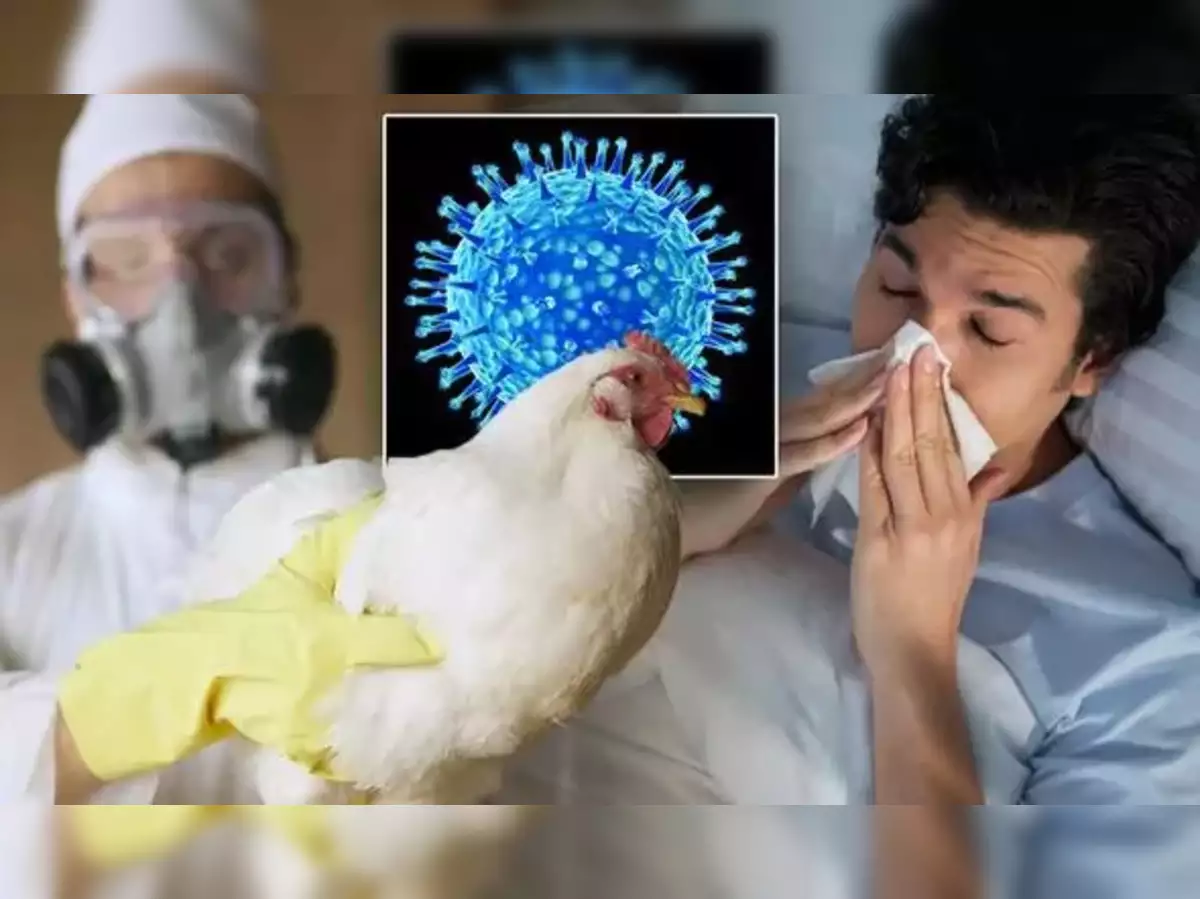
New Delhi, 19 December 2024: The Centers for Disease Control and Prevention (CDC) has confirmed the first severe case of H5N1 bird flu in the United States. The patient, a poultry worker in Colorado, was hospitalized after exhibiting severe respiratory symptoms. This case has raised alarms about the potential for human transmission of the highly pathogenic avian influenza (HPAI) strain, known for causing devastating outbreaks in poultry worldwide. While human infections are rare, the severity of this case highlights the need for global vigilance and preparedness.
What is H5N1 Bird Flu?
H5N1 is a subtype of the influenza virus primarily affecting birds. It has a high mortality rate among infected avian populations and has been responsible for numerous poultry culls globally. Although human infections are uncommon, the virus can occasionally cross the species barrier, especially among individuals who come into close contact with infected birds.
Key Characteristics of H5N1:
Highly contagious among birds.
Can lead to severe respiratory illness in humans.
Known for its potential to cause pandemics if it mutates to enable efficient human-to-human transmission.
Global Implications: How Concerned Should We Be?
The confirmation of a severe human case in the U.S. underscores the potential risks associated with H5N1. While there is no evidence of sustained human-to-human transmission, experts warn that the virus’s mutation capabilities could lead to a pandemic scenario.
Countries with large poultry industries, such as India, must remain vigilant. The World Health Organization (WHO) and other health bodies have called for enhanced surveillance and robust biosecurity measures to curb the spread of the virus.
Is India At Risk of H5N1?
India, as one of the largest producers and consumers of poultry products, faces a heightened risk of H5N1 outbreaks. Several states in India have previously reported avian influenza cases, necessitating culls to contain the virus. The densely populated regions and close proximity of poultry farms to residential areas further increase the risk of zoonotic transmission.
Factors Increasing Risk in India:
High Poultry Density: With millions of birds raised for meat and eggs, outbreaks can spread rapidly.
Human-Animal Contact: Many individuals, especially in rural areas, work closely with poultry, increasing exposure risks.
Wild Bird Migration: Migratory birds, a known carrier of H5N1, pass through India during seasonal shifts.
Steps India is Taking to Prevent an Outbreak
The Indian government has implemented several measures to mitigate the risks associated with bird flu. These include:
Enhanced Surveillance: Monitoring poultry farms and live bird markets for unusual bird deaths.
Rapid Response Teams: State-level teams trained to handle outbreaks, including culling and disposal of infected birds.
Public Awareness Campaigns: Educating poultry farmers and the general public about the signs of bird flu and precautionary measures.
Precautions Individuals Can Take
While governments play a significant role in managing outbreaks, individuals can also take steps to protect themselves from potential exposure:
Avoid handling dead or sick birds.
Cook poultry and eggs thoroughly before consumption.
Report unusual bird deaths to local authorities immediately.
Practice good hygiene, including washing hands regularly and using masks in high-risk areas.
Conclusion: Vigilance is Key to Prevention
The confirmation of the first severe H5N1 bird flu case in the United States is a stark reminder of the ongoing risks posed by zoonotic diseases. While the immediate threat to the general population remains low, the potential for the virus to adapt and spread cannot be ignored. India, with its large poultry industry and history of avian flu outbreaks, must maintain strict vigilance and proactive measures to prevent an outbreak. Collaborative efforts between governments, health organizations, and individuals are crucial to mitigating the risks and ensuring public health safety. By staying informed and prepared, the global community can work together to tackle this emerging threat.













Leave a comment