

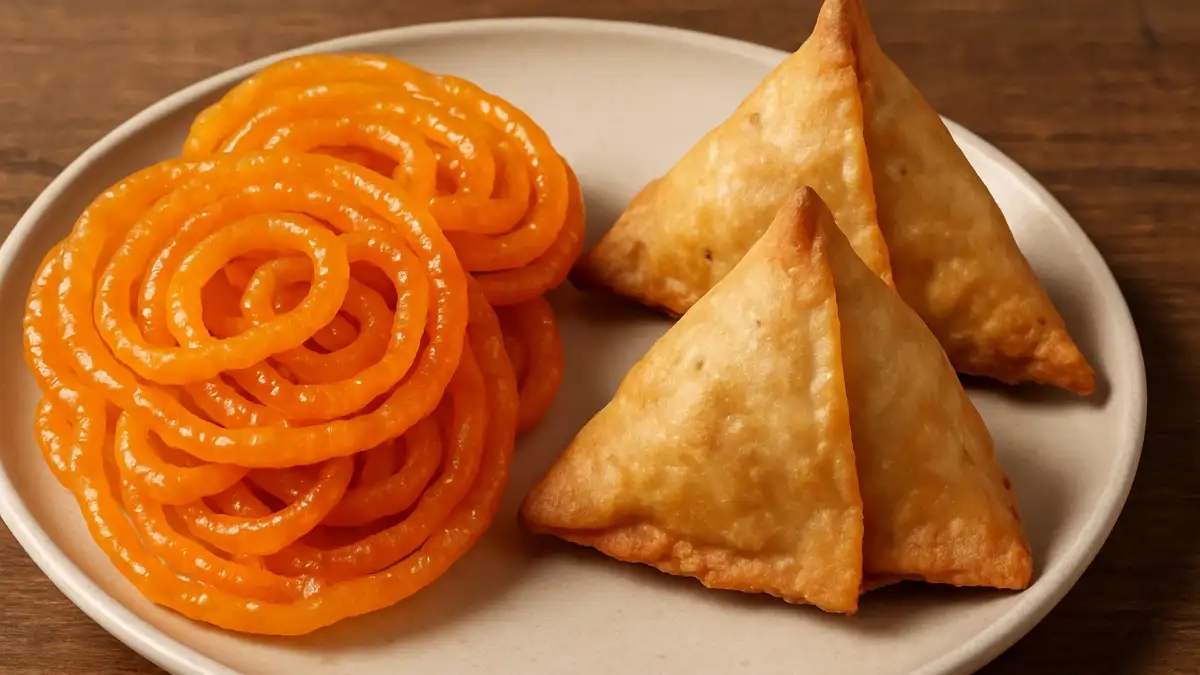
New Delhi, 15 July 2025: The recent proposal by the Health Ministry to introduce cigarette-style warnings on ultra-processed foods has sparked nationwide debate — especially after traditional Indian snacks like samosas and jalebis were cited as examples. While often seen as indulgent treats or festive staples, health experts warn that these deep-fried, sugar-laden foods can be far more harmful than they appear. A leading cardiologist has now broken down exactly how these beloved items impact your heart, arteries, and overall health — and why they may deserve the same level of caution as smoking.
Why Deep-Fried Samosas Are a Hidden Heart Threat
Samosas are a popular street food, but beneath their crispy exterior lies a combination of refined flour (maida), trans fats, and starchy fillings. Cardiologists warn that these ingredients — especially when deep-fried in reused oil — can significantly raise levels of LDL (bad) cholesterol. Regular consumption of such snacks increases the risk of atherosclerosis, where fatty deposits clog the arteries, eventually leading to heart attacks or strokes. The trans fats and saturated fats also trigger inflammation in blood vessels, further compounding cardiovascular risks.
Jalebis: A Sugar Bomb That Shocks Your System
Jalebis, often consumed hot and dripping in sugar syrup, can cause immediate blood sugar spikes — especially dangerous for people with insulin resistance or prediabetes. The high glycaemic index of such sugary sweets can damage the inner lining of arteries and strain the pancreas over time. A cardiologist points out that even one serving of jalebi can contain several teaspoons of sugar and empty calories, which not only contribute to obesity but also lead to metabolic syndrome — a dangerous precursor to heart disease, diabetes, and fatty liver.
The Case for Warning Labels on Ultra-Processed Indian Foods
While the concept of warning labels has typically been associated with cigarettes and alcohol, the health ministry’s proposal aims to apply the same principle to foods high in sugar, salt, and saturated fats. The cardiologist explains that traditional snacks, though homemade in the past, have evolved into industrially produced, ultra-processed variants — often containing preservatives, artificial flavourings, and dangerously high trans fats. These foods are designed to be hyper-palatable, encouraging overconsumption and addiction-like patterns, similar to tobacco.
Why Occasional Consumption Still Carries Risk
Many people believe that eating samosas or jalebis “once in a while” is harmless. However, cardiologists warn that even occasional indulgence — especially in individuals with existing risk factors like high blood pressure, diabetes, or family history of heart disease — can trigger acute cardiovascular events. Inflammation, oxidative stress, and endothelial dysfunction can result from even a single high-fat, high-sugar meal. Moreover, occasional consumption often becomes habitual, particularly when paired with emotional eating or social settings.
Processed Foods and India’s Growing Heart Disease Burden
India is witnessing a surge in lifestyle diseases, including hypertension, obesity, and heart attacks among younger adults. Experts link this trend to the rising consumption of calorie-dense, low-nutrient foods such as fried snacks and sweets. Cardiologists emphasise that awareness campaigns, educational labelling, and visual warnings can help change consumer behaviour, just as they did with tobacco products over the past two decades.
While samosas and jalebis are deeply rooted in Indian food culture, their modern-day preparation and frequency of consumption are posing serious health risks. Cardiologists aren’t calling for a ban but for informed eating — where people understand the real impact of what they’re consuming. With the health ministry pushing for bold warnings on unhealthy foods, experts hope this step will empower consumers to make choices that protect their heart, their health, and their future.













Leave a comment