

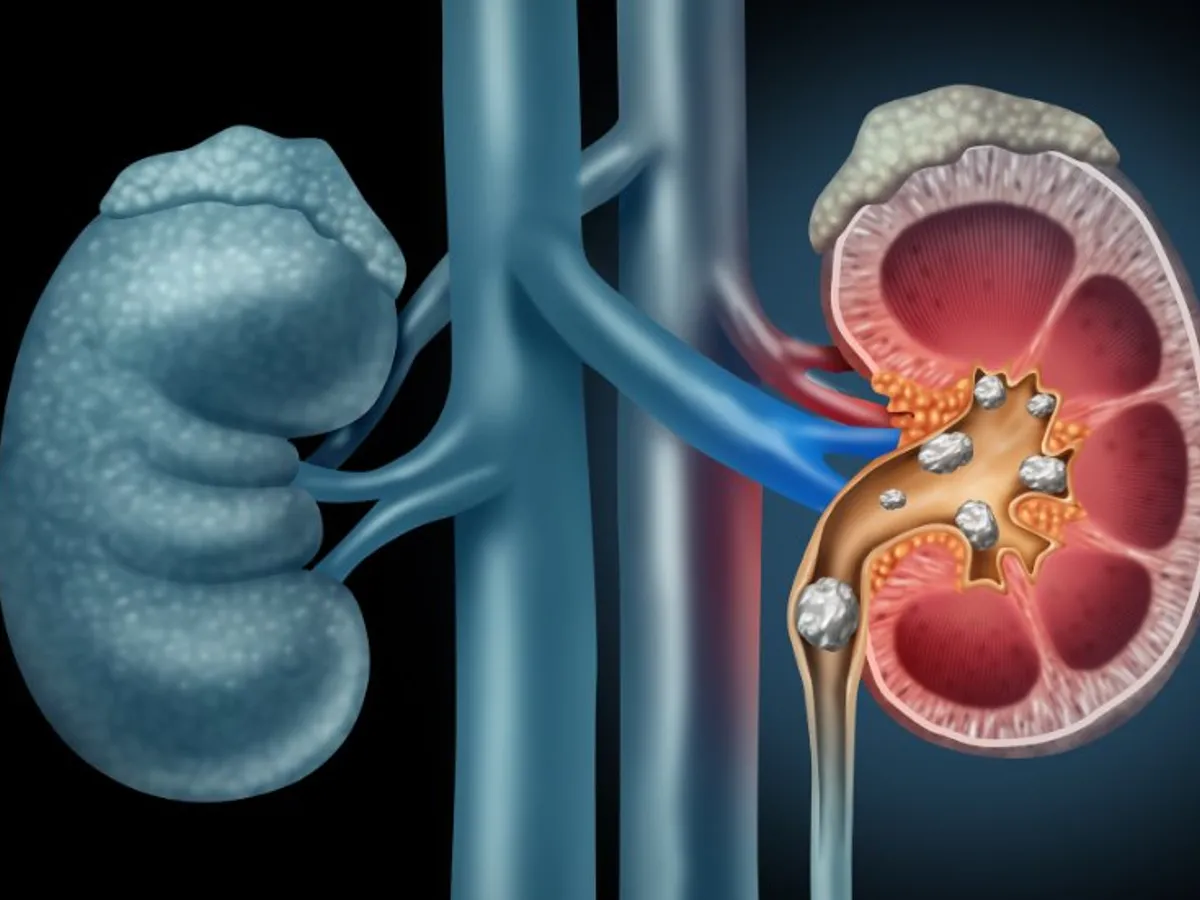
New Delhi, 27 November 2024: The connection between weight-loss medications and reduced risks of kidney disease has taken center stage with the release of a groundbreaking study. Recent findings suggest that certain weight-loss drugs, primarily GLP-1 receptor agonists, can decrease the risk of kidney disease by as much as 20%. With the rising prevalence of chronic kidney disease (CKD) globally, these results have sparked significant interest among healthcare professionals and patients alike. But how valid are these claims, and what do experts think? This article delves into the study, its implications, and the expert opinions surrounding these findings.
Understanding Kidney Disease and Its Risk Factors
Chronic kidney disease affects over 850 million people worldwide, with the leading causes being diabetes, obesity, and hypertension. It develops when the kidneys are damaged and fail to filter blood efficiently, leading to a buildup of waste and fluids. Over time, CKD can lead to severe complications, including cardiovascular disease, end-stage renal failure, and the need for dialysis or kidney transplants.
Obesity, a major modifiable risk factor for CKD, contributes to the disease by promoting high blood pressure, insulin resistance, and inflammation—all of which strain the kidneys. Hence, weight management has long been a critical component of CKD prevention strategies. However, achieving and maintaining significant weight loss has proven challenging for many individuals through diet and exercise alone, leading researchers to explore pharmaceutical solutions.
The Study: Weight-Loss Drugs and Kidney Health
The study in question, recently published in a leading medical journal, investigated the effects of GLP-1 receptor agonists—a class of drugs initially developed to treat type 2 diabetes—on kidney health. These drugs, including semaglutide (marketed as Ozempic and Wegovy) and liraglutide (Saxenda), have shown significant promise in promoting weight loss in non-diabetic patients.
Researchers analyzed data from over 50,000 participants who were either prescribed GLP-1 receptor agonists or a placebo. The study found that those using the drugs not only experienced substantial weight loss but also exhibited a 20% reduction in the risk of developing CKD compared to the placebo group. This effect was most pronounced in individuals with pre-existing risk factors, such as diabetes or obesity.
The study also noted that the benefits extended beyond weight loss. GLP-1 receptor agonists appear to exert direct protective effects on the kidneys, likely by improving blood glucose control, reducing blood pressure, and decreasing systemic inflammation—all critical factors in maintaining kidney health.
How Do GLP-1 Receptor Agonists Work?
GLP-1 receptor agonists mimic a hormone called glucagon-like peptide-1, which is naturally produced in the gut. This hormone plays a vital role in regulating appetite, blood sugar levels, and insulin secretion. By activating GLP-1 receptors, these drugs:
Reduce Appetite: They slow gastric emptying and send signals of satiety to the brain, leading to reduced food intake and weight loss.
Improve Blood Sugar Control: By enhancing insulin secretion and reducing glucagon release, they help maintain stable blood glucose levels.
Lower Blood Pressure and Inflammation: These indirect benefits contribute to better cardiovascular and kidney health.
These mechanisms collectively reduce the metabolic strain on the kidneys, explaining the observed decrease in CKD risk.
Dr. Sarah Patel, Nephrologist – “The findings of this study are encouraging, especially given the increasing burden of CKD in our population. Weight loss is a well-established strategy for protecting kidney function, and the added benefits of GLP-1 receptor agonists in improving blood sugar and reducing inflammation are significant. However, these medications should be part of a comprehensive.















Leave a comment