

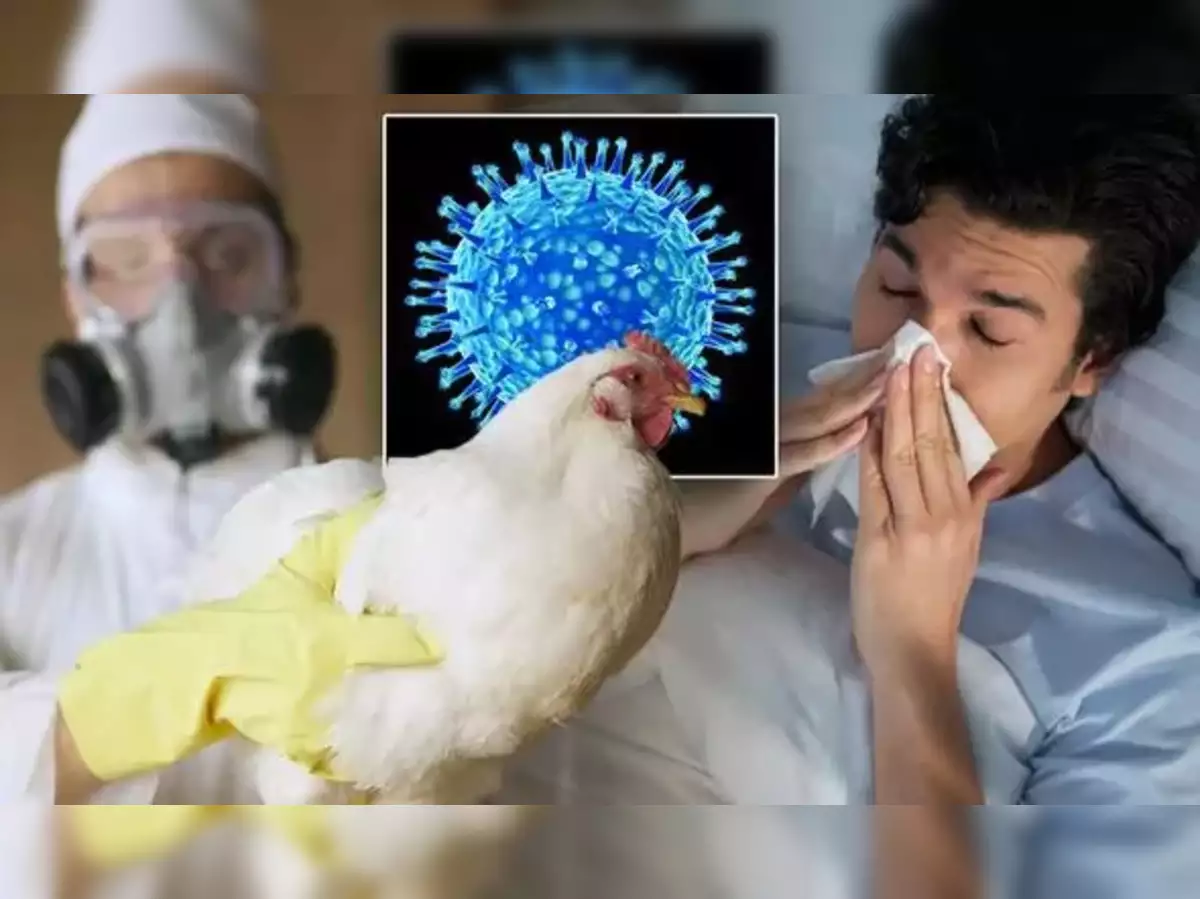
New Delhi, 11 May 2025: Bird Flu Pandemic: The recent rise in bird flu (H5N1) outbreaks among birds, mammals, and even humans has sparked serious concerns among scientists and global health authorities. While H5N1 has circulated in bird populations for decades, its recent ability to jump across species and cause severe illness has triggered questions: Could bird flu become the next pandemic?
What is H5N1 Bird Flu?
H5N1 is a strain of the highly pathogenic avian influenza (HPAI) virus that primarily affects birds but has also infected humans and other mammals. First identified in 1997 in Hong Kong, it has since caused sporadic human infections, often resulting in high mortality rates — nearly 60% in some documented cases. However, human-to-human transmission has so far remained limited, which has prevented a full-scale pandemic.
Why Experts Are Worried in 2025
In recent months, health agencies have reported a worrying number of H5N1 cases in mammals, including sea lions, otters, and even cattle. The U.S. Department of Agriculture (USDA) confirmed H5N1 infections in dairy cows, while the CDC reported a rare human case linked to exposure to infected animals. These developments suggest that the virus may be adapting to infect more species, raising the stakes for potential human transmission.
WHO’s Chief Scientist recently emphasized that the risk of H5N1 crossing over and sparking a pandemic has never been higher. While the virus has not yet mutated to spread efficiently among humans, its genetic changes are being closely monitored.
How Bird Flu Spreads – And Why It Matters
Avian influenza typically spreads through direct contact with infected birds, their droppings, or contaminated surfaces. While wild birds are natural carriers, domestic poultry flocks are often hit the hardest. Infected mammals are thought to contract the virus by consuming infected birds or interacting with contaminated environments.
The concern is that with increasing cross-species transmission, H5N1 could evolve mutations that allow it to spread through respiratory droplets in humans — similar to how seasonal flu or COVID-19 transmits. If that happens, the virus could trigger a public health crisis.
Symptoms of H5N1 in Humans
In humans, H5N1 infection can lead to:
- High fever
- Cough and sore throat
- Muscle aches
- Difficulty breathing or pneumonia
- Gastrointestinal symptoms like nausea and diarrhea
Because symptoms mimic seasonal flu, early diagnosis is often missed unless a person is known to have had contact with infected animals.
Could H5N1 Become the Next Pandemic?
Health experts say that while H5N1 has not yet achieved sustained human-to-human transmission, the possibility cannot be ruled out. According to the WHO, all it might take is a few critical genetic mutations or a reassortment with a human influenza virus to trigger widespread human outbreaks.
The 2020 COVID-19 pandemic has left global systems more alert to zoonotic threats. As with SARS-CoV-2, early warnings around bird flu are being taken seriously.
Preventive Measures and Current Response
Countries with outbreaks have culled millions of poultry to prevent spread. Farmers and veterinarians are being urged to use personal protective equipment (PPE), and the public is advised to avoid contact with wild birds or farm animals showing signs of illness.
Several companies are also exploring or updating bird flu vaccines for humans, and the WHO has stockpiles of antiviral drugs that could be deployed in case of an outbreak.
H5N1 bird flu remains a serious zoonotic threat. While it hasn’t yet sparked a pandemic, its growing presence in mammals and rare human infections are red flags. Vigilance, early detection, and international collaboration are essential to prevent bird flu from becoming the next global health emergency.















Leave a comment