

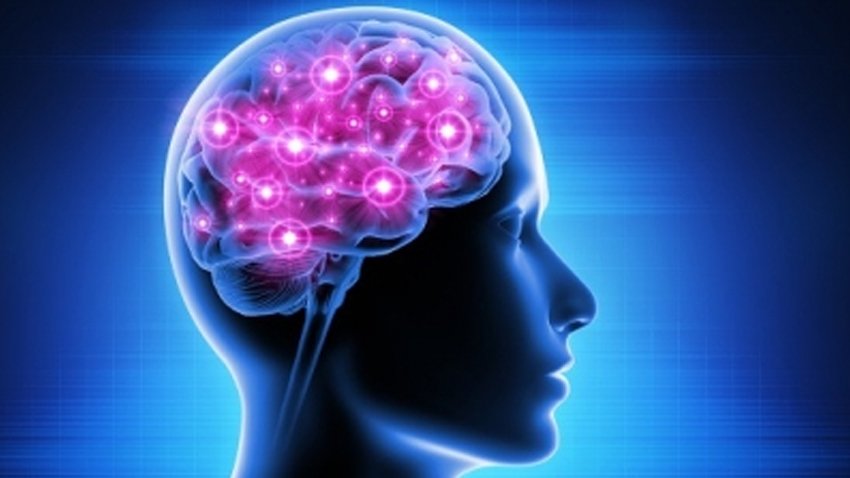
New Delhi, 14 June 2025: Brain tumours are among the most serious forms of cancer in children, yet early diagnosis remains a major challenge. According to experts, the early symptoms of brain tumours in children often mimic those of more common childhood illnesses, such as migraines, stomach infections, or behavioural changes, leading parents and even healthcare providers to overlook or misinterpret the warning signs. Since the brain controls numerous bodily functions, tumour-related symptoms can vary greatly—ranging from frequent headaches, nausea, vision problems, and seizures to personality changes, balance issues, and learning difficulties. Many of these signs develop gradually and are mistakenly attributed to stress, growth spurts, or other benign causes, causing dangerous delays in diagnosis and treatment.
Common Symptoms That Should Never Be Ignored
Some of the early indicators that may point to a brain tumour include persistent or early-morning headaches, vomiting without nausea, blurred or double vision, unexplained clumsiness or frequent falls, seizures with no previous history, and noticeable personality or behavioural changes. In infants, symptoms can also include an increase in head size, bulging fontanelle (soft spot), or poor feeding. While these symptoms can overlap with other health conditions, experts stress the importance of seeking immediate medical evaluation if they are recurrent, worsening, or accompanied by neurological signs such as limb weakness or speech difficulties.
Key Risk Factors Behind Childhood Brain Tumours
Though the exact cause of most brain tumours in children is unknown, several risk factors may contribute. These include genetic syndromes like Li-Fraumeni syndrome or neurofibromatosis, a family history of cancers, previous exposure to radiation therapy, and certain inherited gene mutations. Environmental exposures are still being studied, but no strong links have been established yet. While lifestyle choices are less likely to be a factor in childhood cancers, understanding genetic and medical history is vital in identifying children who may be at higher risk.
Importance of Timely Diagnosis and Intervention
Experts highlight that early detection can significantly improve outcomes in paediatric brain tumour cases. Once a tumour is suspected, doctors may recommend imaging tests such as MRI or CT scans, followed by biopsy if needed. Treatment depends on the type, location, and grade of the tumour and may involve surgery, radiation therapy, chemotherapy, or targeted therapy. When diagnosed at an early stage, there is a greater chance of complete tumour removal and a better long-term prognosis. That’s why increased awareness among parents, teachers, and paediatricians is crucial to spotting symptoms early and referring children for timely neurological evaluation.
Brain tumours in children may be rare, but their impact can be devastating if not caught early. The biggest challenge lies in recognising the early signs, which are often vague and mistaken for routine childhood complaints. Parents and caregivers should trust their instincts if something feels off, especially when symptoms are persistent or progressive. Timely medical intervention, early imaging, and neurological assessments can make a life-saving difference. Raising awareness about paediatric brain tumours, their symptoms, and risk factors is the first step towards ensuring faster diagnosis, better treatment outcomes, and improved quality of life for young patients.











Leave a comment