Home Latest News Brain-Eating Amoeba: Third Case in Kerala 12-Year-Old Kozhikode Boy Found Positive
Latest News

Brain-Eating Amoeba: Third Case in Kerala 12-Year-Old Kozhikode Boy Found Positive

Share
Diseases
Diseases
Share

The rare brain infection known as amoebic meningoencephalitis, which is brought on by a “brain-eating amoeba” that is present in contaminated waters, has been positively diagnosed in a 12-year-old boy from Kozhikode. Days after a 13-year-old girl in Kannur passed away from the deadly infection, there have been three cases reported in Kerala since May of this year.

Doctors at Hospital, where the 12-year-old is receiving treatment, believe that the free-living amoeba, which is known to live in contaminated water bodies, likely, infected him after he bathed in a pond near his home.

According to a senior physician treating the boy, the infection was discovered and treatment started that same day.

The doctor stated, “We detected the infection in tests conducted at our labs and notified the DMO, who took preventive action by blocking access to the pond where the child had bathed.”

The boy’s samples were sent to a lab in Puducherry for testing, according to the doctors, and they are waiting on a printed PCR report from them officially confirming the infection. They also stated that the boy is still in critical condition because the infection has a 95–100% fatality rate.

Even though it’s a rare disease, they said that protocols are in place to handle such cases, and treatment is initiated as soon as a diagnosis is made.

Since May of this year, the southern state has reported three cases of the almost fatal infection.

The first known victim of the rare disease was a five-year-old girl from Malappuram who passed away on May 21. A 13-year-old from Kannur also contracted the fatal infection a month later and passed away on June 25.

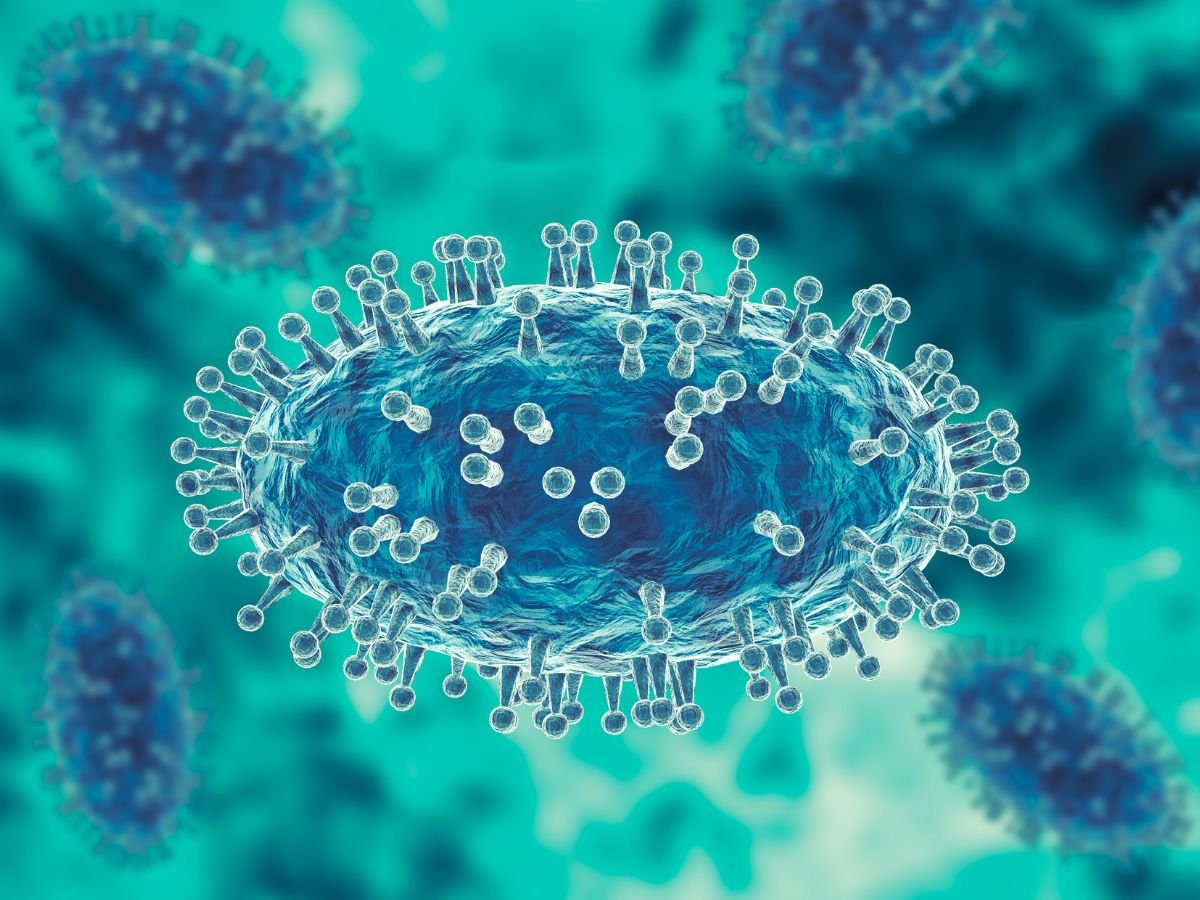
The infection is brought on by free-living, non-parasitic amoebae bacteria that enter the body through the nose from contaminated water, according to medical experts.

The Kerala Health Department advised people on Thursday to avoid bathing in pools of stagnant water, as these are the habitat of amoebae, and to take precautions against amoebic meningoencephalitis.
Diving into water and bathing in stagnant water should be avoided as much as possible because Kerala has reported cases of this illness. To guarantee cleanliness, water in swimming pools and theme parks needs to be adequately chlorinated, according to the statement. Fever, headache, vomiting, and seizures are the primary signs and symptoms of the illness.


Share

Leave a comment

Leave a Reply

Your email address will not be published. Required fields are marked *

Don't Miss

Lifestyle & Wellness

Why Men Feel Constantly Tired: Experts Reveal the Hidden Role of Dehydration, Stress and Poor Sleep

For many men today, health challenges don’t begin with illness; they start quietly, woven into everyday routines. Long hours at a desk, crowded...

Can 150 Minutes of Exercise a Week Help You Live Longer? Scientists Weigh In
Health News

Can 150 Minutes of Exercise a Week Help You Live Longer? Scientists Weigh In

In case you have ever questioned yourself what exactly is the best amount of exercise to help you improve health and live a...

Endometriosis
Obstetrics & Gynecology

Severe Period Pain Could Signal Endometriosis: Gynecologist Warns Women Not to Ignore These Symptoms

Many women experience pain and discomfort during their menstrual cycle and often consider it a normal part of periods. However, health experts say...

ENT

Glaucoma Risk Factors: These People Are More Likely to Develop the ‘Silent Vision Thief’

Glaucoma is a serious eye condition that can gradually damage vision. It is often called the “silent vision thief” because its early symptoms...

Health News

Sepsis: When a Simple Infection Can Turn Life-Threatening — Warning Signs You Should Never Ignore

Many people tend to ignore minor health problems such as fever, cough, urinary infections, or small wounds that develop infections. However, doctors emphasize...

Section title

Related Articles
Latest News

World TB Day 2026: What to Do and Avoid If You Are Diagnosed With Tuberculosis

Tuberculosis (TB) remains one of the most serious infectious diseases worldwide, affecting...

Latest News

From DNA to Diagnosis: How Genetic Testing Is Changing Disease Prevention in India

While genetic testing is the norm rather than the exception in developed...

Latest News

Glaucoma: The ‘Silent Thief of Sight’ – Early Warning Signs You Should Never Ignore

Glaucoma is often called the “silent thief of sight” because it can...

Menstruation
Latest NewsLifestyle & Wellness

Menstrual health matters: What science says about period myths

Menstrual health is a topic that is surrounded by silence, stigma and...