

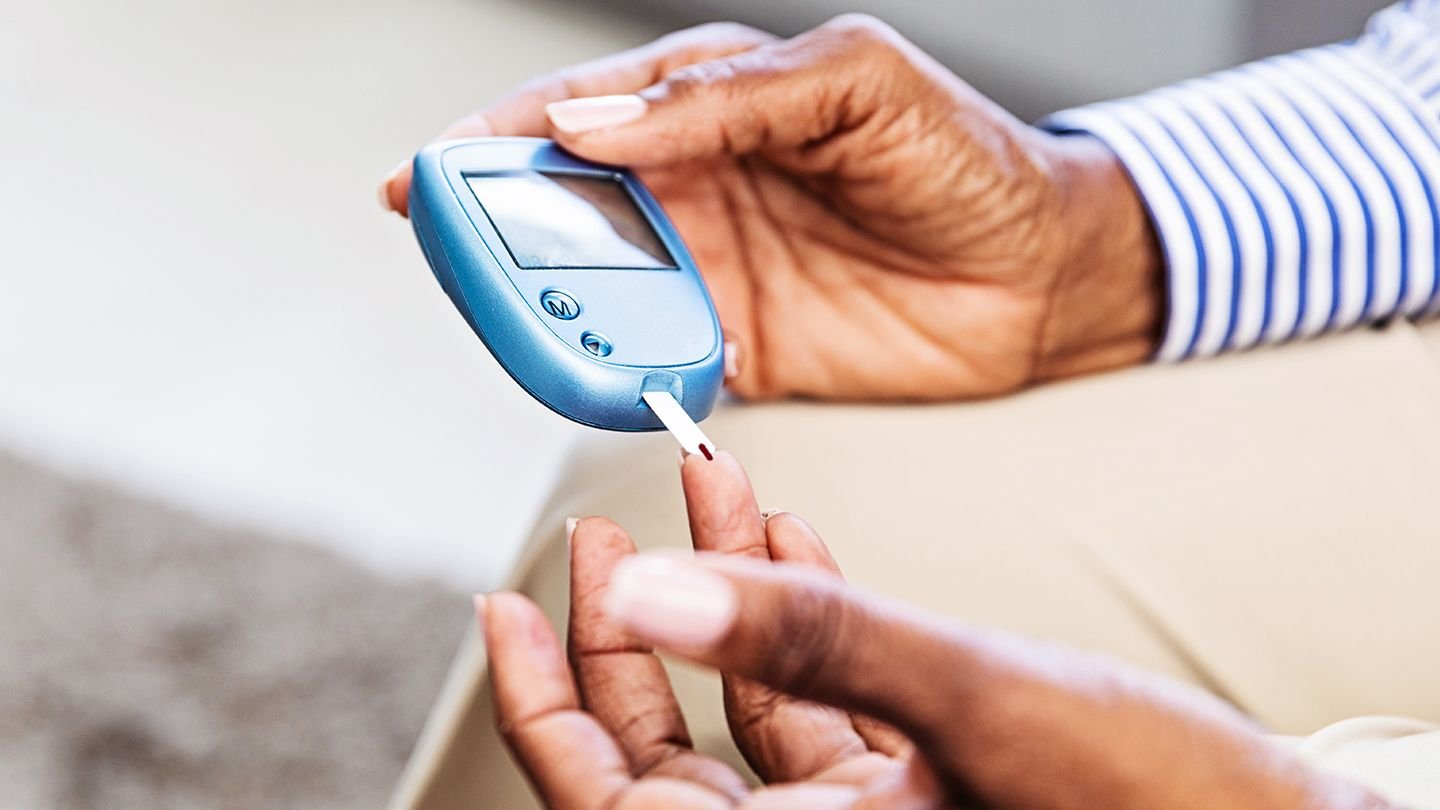
New Delhi, 15 July 2025: Even modest elevations in blood glucose — levels that may not yet qualify as diabetes — can silently sabotage men’s sexual health, warn experts. Mild hyperglycaemia, often overlooked as ‘pre-diabetes,’ triggers a chain of metabolic and vascular changes that directly impact libido, erectile strength, hormone levels, and overall reproductive vitality.
Erectile Dysfunction Often Starts with Rising Glucose
Erectile performance relies heavily on healthy blood flow. Elevated blood sugar damages blood vessel linings, reduces nitric oxide production, and causes microvascular constriction — all of which compromise the ability to achieve or maintain an erection. Studies show men with borderline blood sugar (100–125 mg/dL) face a significantly higher risk of developing erectile dysfunction (ED) compared to those with normal levels.
Low Testosterone: A Hidden Effect of Sugar Spikes
Sustained glucose elevation can suppress testosterone production by disrupting insulin function and inflaming the testes. The result? A drop in male sex hormone levels, leading to reduced sexual desire, fatigue, weight gain, and mood instability. This hormone imbalance further worsens sexual dysfunction, creating a feedback loop that’s hard to break without intervention.
Nerve Damage Begins Before Diabetes Diagnosis
One of the earliest complications of high blood sugar is neuropathy — subtle nerve damage that dulls genital sensation and impairs signal transmission between brain and body. Men may experience delayed ejaculation, decreased pleasure, or reduced sensitivity without realising that glucose toxicity is to blame. Pre-diabetes often causes nerve dysfunction long before classic symptoms of diabetes appear.
Visceral Fat, Inflammation, and Hormonal Imbalance
Excess glucose contributes to abdominal fat accumulation, which increases estrogen levels in men and fuels chronic inflammation. This hormonal shift not only affects sexual performance but also heightens the risk of conditions like prostate enlargement, insulin resistance, and cardiovascular disease — all of which play a role in diminishing male sexual health.
Heart Health and Sexual Function Go Hand in Hand
Sexual performance is often the first area where cardiovascular issues manifest. The penile arteries are smaller and more sensitive to damage than coronary arteries, meaning erectile dysfunction may be an early sign of systemic vascular problems. Elevated blood sugar hastens arterial stiffness and plaque buildup, linking glucose control directly to heart and sexual health.
Simple Lifestyle Changes to Lower Glucose and Boost Performance
Cutting back on sugar, white flour, and processed snacks, eating more fiber-rich foods, and engaging in regular physical activity can help reverse insulin resistance and reduce blood sugar levels. Resistance training, stress management, and consistent sleep routines also improve testosterone and metabolic health — directly benefiting sexual function.
Routine Testing Can Catch Problems Early
Men over 30, especially those with a sedentary lifestyle, central obesity, or family history of diabetes, should get annual screenings for fasting glucose and HbA1c. Early signs like reduced morning erections, low energy, increased thirst, or poor exercise recovery should prompt earlier testing and intervention.
Medical and Supplement Support for At-Risk Men
For men struggling to stabilise glucose levels with lifestyle changes alone, medications like metformin or GLP-1 receptor agonists can improve insulin sensitivity and reduce cardiovascular risk. Natural supplements such as magnesium, zinc, and alpha-lipoic acid may support metabolic and nerve health. For immediate relief from ED, doctors may prescribe PDE-5 inhibitors while addressing the root metabolic imbalance.
Psychological Support Is Crucial
Performance anxiety, shame around ED, or relationship stress can raise cortisol — a hormone that further spikes blood sugar and worsens sexual problems. Incorporating mental health counselling or sex therapy can ease emotional stress, improve intimacy, and break the vicious cycle of glucose-related dysfunction.
You don’t have to be diabetic for blood sugar to disrupt your sex life. Even a mild increase can trigger hormonal imbalances, nerve damage, and vascular dysfunction that reduce sexual desire and performance. Recognising the early signs and taking control through lifestyle, medical, and psychological support can help men protect both their sexual health and overall well-being.















Leave a comment