

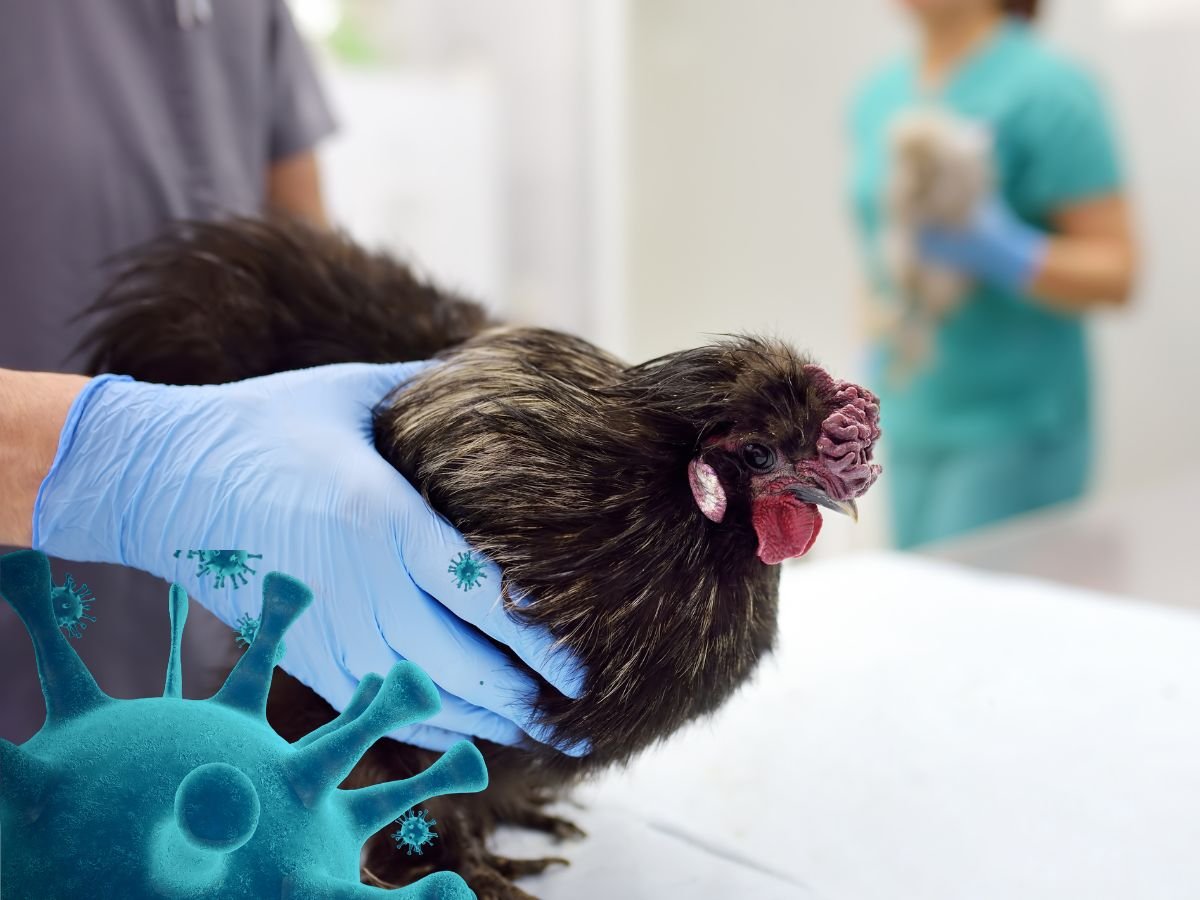
New Delhi, 24 May 2025: The H5N1 avian influenza virus, commonly known as bird flu, has traditionally been associated with avian species. However, recent developments have highlighted its alarming spread to mammals, particularly domestic cats. This cross-species transmission not only endangers feline health but also raises concerns about potential human infections.
The Surge of H5N1 in Domestic Cats
Recent studies have documented a significant increase in H5N1 infections among domestic cats. A comprehensive review spanning 2004 to 2024 identified 607 recorded infections across 18 countries and 12 feline species, including domestic cats, tigers, and wildcats. Of these, 302 cases were fatal. Notably, domestic cats accounted for 96.4% of all reported infections, with a case-fatality rate of 52.8% for H5N1 and 89.6% for the clade 2.3.4.4b strain specifically.
In the United States, the USDA confirmed 130 cases of H5N1 avian influenza in domestic cats across 23 states as of April 2025. These infections are primarily attributed to the mutated H5N1 strain, which has shown an increased ability to infect various mammals, including domestic cats.
Jacksonville Journal-Courier
Transmission Pathways to Cats
Cats can contract H5N1 through several avenues:
Consumption of Infected Prey: Cats that hunt and consume infected birds are at high risk.
Ingestion of Contaminated Raw Products: Feeding cats raw or unpasteurized milk, raw meat, or raw pet food can lead to infection.
Environmental Exposure: Contact with contaminated surfaces, such as clothing or footwear that has been in contact with infected birds or livestock, can transmit the virus.
Notably, in India, the first cases of avian influenza virus (H5N1) in domestic cats were reported in Madhya Pradesh’s Chhindwara district, raising concerns about the virus’s potential to mutate and infect humans.
Symptoms and Fatality in Infected Cats
Infected cats often exhibit severe symptoms, including:
Fever and Lethargy: A sudden onset of high temperature and reduced activity levels.
Respiratory Distress: Difficulty breathing, coughing, and nasal discharge.
Neurological Signs: Incoordination, tremors, seizures, and even blindness.
The progression of the disease is rapid, and in many cases, fatal. Studies have shown that the virus can cause significant neurological damage in cats, with prominent lesions in critical brain regions.
Potential Human Health Implications
While human infections from cats remain rare, the possibility of transmission exists, especially with prolonged exposure. Cats can shed the virus through respiratory droplets, saliva, and feces. The presence of receptors in cats that can bind both avian and human influenza viruses raises concerns about the virus adapting for human transmission.
In the United States, at least 70 human infections—primarily among farmworkers—have been confirmed in 13 states and Canada between 2024 and April 2025. One individual died following exposure to infected wild birds.
Preventive Measures for Cat Owners
To safeguard both feline and human health, consider the following precautions:
Indoor Living: Keep cats indoors to prevent hunting and exposure to infected wildlife.
Dietary Caution: Avoid feeding cats raw or unpasteurized milk, raw meat, or raw pet food.
Hygiene Practices: Wash hands thoroughly after handling animals or raw animal products. Change clothing and footwear after exposure to environments with potential contamination.
Monitor Health: Be vigilant for symptoms in cats and seek veterinary care promptly if signs of illness appear.
The emergence of H5N1 in domestic cats underscores the virus’s evolving nature and its potential threat to multiple species, including humans. While current human infections are limited, the situation necessitates heightened surveillance, responsible pet ownership, and proactive measures to prevent further spread. By staying informed and cautious, we can mitigate the risks associated with this concerning development.













Leave a comment