Home Latest News Coronavirus Updates: All Shopping Malls Across Maharashtra Will Remain Closed Till Month-End; All Malls In The National Capital Will Also Be Closed
Latest News

Coronavirus Updates: All Shopping Malls Across Maharashtra Will Remain Closed Till Month-End; All Malls In The National Capital Will Also Be Closed

Share
Share

All shopping malls across Maharashtra will remain closed till month-end. Grocery stores which sell commodities of daily need will remain open, he said. The state government also issued a directive that all schools and colleges in areas of municipal corporations, municipalities and nagar panchayats shall remain closed till 31 March.

All malls in the national capital will be closed in view of the COVID-19 threat but grocery and pharmacy stores in them are exempt, Delhi Chief Minister Arvind Kejriwal said on Friday. “In view of the prevailing situation, we are closing down all malls (except grocery, pharmacy and vegetable shops in them),” Kejriwal tweeted.

Three more persons were found positive for coronavirus infection in Maharashtra, taking the number of such cases in the state to 52, state Health Minister Rajesh Tope said on Friday. Addressing a press conference in Mumbai, Tope said these new cases were detected in Mumbai, Pune and Pimpri- Chinchwad. Till Thursday night, 49 positive cases of COVID-19 had been found in the state, including a 64-year person, who died in Mumbai earlier this week.

One more person tested positive for the coronavirus in Andhra Pradesh, taking the total number of COVID-19 cases in the state to three on Friday, officials said. The patient tested positive in Visakhapatnam, they said. A person who returned to his native Nellore from Italy became the first coronavirus case in the state on March 12 while a youngman who came from England tested positive on Thursday. Of the total 119 samples sent for screening so far, three returned positive while 12 results were awaited. Others tested negative, health department officials said on Friday. Stay at Home notice is in place for all foreign returnees, they added.

After Akshay Kumar’s “Sooryavanshi”, Ranveer Singh-starrer cricket drama “83” is the latest Bollywood film to indefinitely postpone its release due to coronavirus pandemic. Ranveer took to his Twitter to share the news with his fans, saying “health and safety of the nation” came first. The film, directed by Kabir Khan, was set to be released April 10 but it will now arrive in theatres at a later date. “In the wake of the risks posed by the recent outbreak of Covid-19 and the growing health concerns, the release of ’83’ has been put on hold. We will take a decision regarding the next course of action once the conditions return to normal. “We urge our fans to take all the necessary precautions and take care of their loved ones. ’83’ is a film about fighting the odds and we hope we all will bounce back from this soon,” the statement from the team of ’83’ read. The drama chronicles India’s first World Cup win under the captaincy of Kapil Dev in 1983.

The Cannes Film Festival has been postponed to contain the spread of the coronavirus. The event, which was scheduled for May 12 through 23, might be shifted to June or July, the organisers said. “Several options are considered in order to preserve its running, the main one being a simple postponement,” the organisers’ statement said. “As soon as the development of the French and international health situation will allow us to assess the real possibility, we will make our decision known, in accordance with our ongoing consultation with the French Government and Cannes City Hall as well as with the Festival’s Board Members, Film industry professionals and all the partners of the event,” they added.

The US has seen a significant spike in coronavirus cases with the number of fatalities surging past 200 and the total confirmed infections crossing 14,000, pushing health care officials and political leaders to step up efforts to contain the fast-spreading pandemic. According to Worldometer, a website which compiles new case numbers of COVID-19, there were 14,299 confirmed infected cases and 218 deaths reported in the US as of Thursday night, making it the sixth top coronavirus infected country. China with 80,967 infected cases and 3,248 deaths tops the list followed by Italy (41,035 cases and 3,405 deaths), Iran (18,304 infected cases and 1,284 deaths), Spain (19,077 infected cases and 831 deaths), Germany (15,320 infected cases and 44 deaths) and France (10,995 infected cases and 372 deaths).


Share

Leave a comment

Leave a Reply

Your email address will not be published. Required fields are marked *

Don't Miss

Latest News

Union Budget 2026 LIVE: What Does the Healthcare Sector Seek?

As Finance Minister Nirmala Sitharaman presents the Union Budget 2026, the healthcare sector is closely tracking the announcements, hoping for decisive reforms that...

Cancer
Press ReleaseVirus & Disease

Nipah Virus Infection – India

Situation at a glance On 26 January 2026, the National IHR Focal Point for India notified WHO of two laboratory‑confirmed cases of Nipah...

Latest News

Hidden Cancers in Women: Early Symptoms You’re Probably Ignoring

Many cancers in women remain undetected until they reach advanced stages, making early awareness and screening critical. While breast and cervical cancers receive...

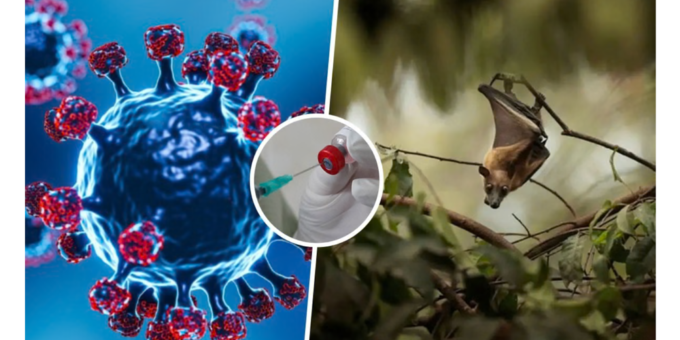
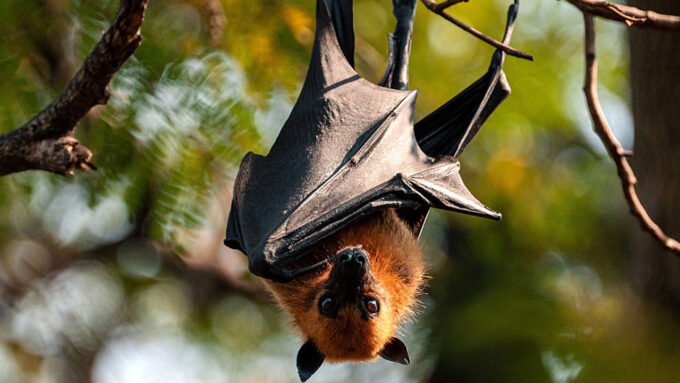
The Nipah virus is considered one of the deadliest zoonotic infections globally, not because it spreads rapidly like influenza or COVID-19, but because of its extremely high fatality rate, rapid progression, and severe brain involvement. Medical experts warn that once symptoms escalate, the disease can turn fatal within days. According to available data, the case fatality rate of Nipah virus ranges between 50 and 75 per cent, placing it among the most lethal viral infections known to humans. In this explainer, Dr Dip Narayan Mukherjee, Consultant – Microbiology and Infectious Diseases, CK Birla Hospitals, CMRI, sheds light on why the virus is so dangerous and difficult to control. Why Is the Nipah Virus So Deadly? According to Dr Mukherjee, Nipah’s lethality lies in a combination of delayed symptom recognition, aggressive disease progression, and early involvement of the brain. “Nipah virus often begins with very non-specific symptoms, which makes early detection difficult. By the time it is clinically suspected, the virus may have already affected the brain,” he explains. Early Symptoms Often Go Unnoticed One of the biggest challenges in controlling Nipah virus is that its initial symptoms closely resemble common viral illnesses, leading to delays in diagnosis and isolation. Early symptoms include: Fever Headache Cough Muscle pain General weakness “These symptoms are easily mistaken for flu, viral fever, or respiratory infections,” says Dr Mukherjee. “This delay gives the virus time to progress silently.” Severe Brain Infection Drives High Mortality The most dangerous aspect of Nipah virus infection is its neurological involvement. The virus frequently causes encephalitis, or inflammation of the brain, which significantly increases the risk of death. Neurological symptoms may include: Seizures Confusion and altered consciousness Extreme drowsiness Coma “Once the central nervous system is involved, the disease becomes very difficult to manage,” Dr Mukherjee notes. “At this stage, treatment is largely supportive because there is no specific antiviral therapy available.” This lack of targeted treatment options makes early detection critical. Human-to-Human Transmission Raises Risk While Nipah virus is primarily transmitted from fruit bats, it can also spread from person to person, particularly in healthcare settings. Dr Mukherjee points out that: Caregivers and healthcare workers are at higher risk Exposure to high viral loads can worsen outcomes Inadequate infection control increases transmission risk “Strict adherence to infection control practices is essential. Even a small lapse can result in secondary infections,” he says. Zoonotic Nature Makes Exposure Hard to Predict Nipah virus is transmitted from fruit bats, either directly or through intermediate hosts such as pigs. This zoonotic pattern makes outbreaks unpredictable, especially in regions where humans, animals, and wildlife interact closely. Adding to the challenge: There is no approved vaccine Treatment options remain limited Isolation protocols must be strictly enforced What Can Reduce Nipah Fatalities? According to experts, early action remains the most effective defence against Nipah virus. Key measures include: Early isolation of suspected cases Strict use of personal protective equipment (PPE) Rapid escalation and referral to specialised centres Strong hospital infection control protocols “The earlier the virus is identified and contained, the better the chances of preventing severe disease and fatalities,” Dr Mukherjee emphasises. The Bottom Line Nipah virus continues to be a serious public health threat because of its high fatality rate, neurological complications, and lack of targeted treatment. Its ability to masquerade as a mild illness in the early stages makes vigilance crucial. Health experts stress that awareness, early suspicion, and strict infection control are currently the most powerful tools to reduce deaths linked to this deadly virus. As Dr Mukherjee concludes, “With Nipah, time is the most critical factor. Early recognition can save lives.”
Latest News

Nipah Virus in India: What You Should Know and How to Stay Safe

Nipah virus (NiV) is a rare but highly dangerous zoonotic virus that can be transmitted from animals to humans and, in some cases,...

Latest News

How Seasonal Flu Symptoms Are Changing in 2026—and What It Means for You

Seasonal influenza, commonly known as the flu, affects millions of people worldwide every year, and 2026 has already shown changes in how the...

Section title

Related Articles
Latest News

NEET-PG 2025 Controversy: MD/MS Seats Allotted to Low and Negative Scorers

The NEET-PG 2025 third-round counselling has stirred nationwide debate after MD and...

Latest News

International Epilepsy Day 2026: Why Early Diagnosis and Treatment Can Change Lives for Millions in India

Every year, International Epilepsy Day serves as a crucial reminder of the...

Latest News

From Fever to Brain Swelling: A Complete Guide to Nipah Virus Symptoms Doctors Are Warning About

The Nipah virus (NiV) has once again made headlines as a deadly...

Latest News

Broken Heart Syndrome Is Real: Doctor Explains Why Emotional Stress Can Trigger Heart Attacks

When we hear the phrase “broken heart,” most of us think of...

×