

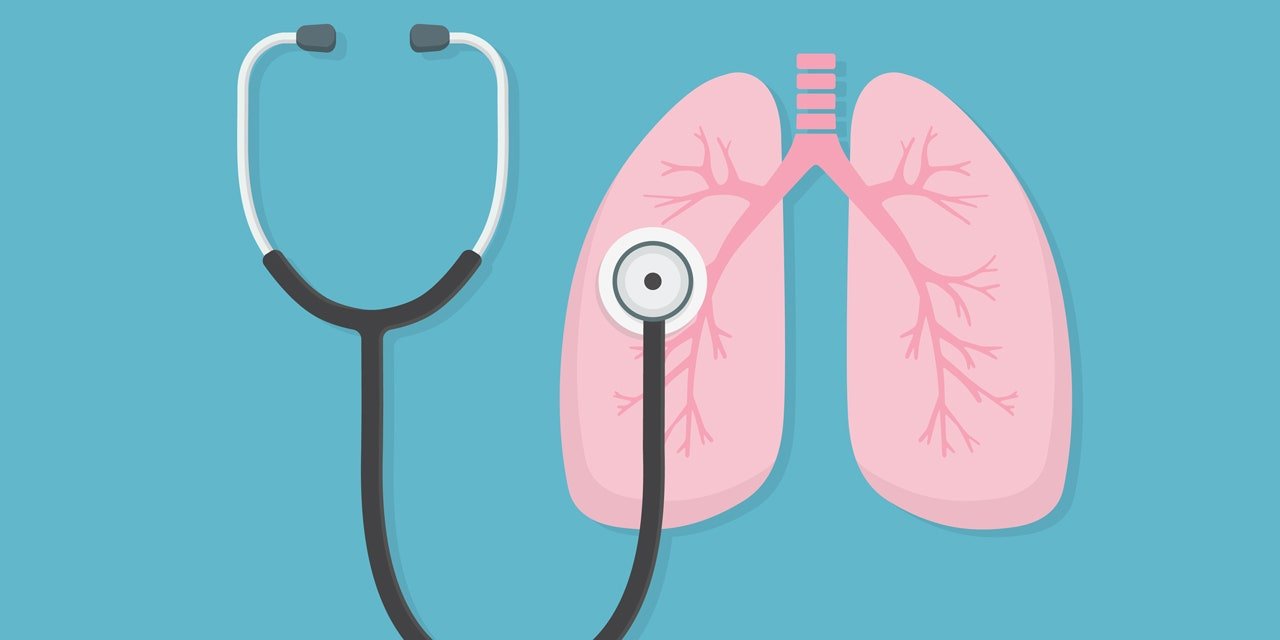
Lung cancer cases in India are climbing at a worrying rate, and a recent study sheds light on a surprising trend: most lung cancer patients in India have never smoked. The main culprit appears to be air pollution, which is believed to play a major role in the increasing number of lung cancer cases across the country.
The study, conducted by researchers from Tata Memorial Hospital and published in Lancet’s eClinical Medicine Journal, reveals that lung cancer accounts for a significant portion of cancer-related deaths in India. What stands out is that Southeast Asia, including India, has a unique situation compared to other parts of Asia and the West, with a substantial number of lung cancer patients having no history of smoking. This highlights air pollution as a significant cause of lung cancer among non-smokers.
The research indicates that lung cancer in India tends to appear about ten years earlier than in Western countries, where the typical age of diagnosis is between 54 and 70 years. This earlier onset in India may be linked to the country’s younger population, with a median age of 28.2 years compared to 38 years in the USA and 39 years in China.
Contributing Factors: Air Pollution and Genetics
The study underscores the role of regional factors such as air pollution and genetic mutations in the rising lung cancer rates. From 1990 to 2019, the lung cancer rate increased from 6.62 per 100,000 people to 7.7 per 100,000. This trend is expected to continue, especially in urban areas, by 2025.
Gender Differences in Lung Cancer Rates
The study also highlights a significant gender disparity in lung cancer rates, which can be attributed to tobacco use. The lung cancer rate among men is 42.4%, while it’s 14.2% among women. This difference points to the higher prevalence of smoking among men compared to women.
The Impact of Air Pollution
The researchers referred to the 2022 World Air Quality Report, noting that South Asia is home to 37 of the 40 most polluted cities globally. Countries like India, Indonesia, China, the Philippines, and
Thailand, which are frequently hit by natural disasters, reported the highest number of lung cancer cases in 2020, with over 965,000 new cases.
The authors of the study emphasized that climate change is exacerbating the lung cancer burden, adding to the existing public health challenges in Asia.
Steps From Which You Can Reduce Lung Cancer Risk
Despite the alarming statistics, there are steps individuals can take to lower their risk of lung cancer:
1. Quit Smoking: The most crucial step is to stop smoking, as it significantly reduces the risk of lung cancer.
2. Avoid Secondhand Smoke: Limiting exposure to secondhand smoke is also vital in reducing lung cancer risk.
3. Test for Radon: Radon is a natural radioactive gas that can seep into homes from the ground. Testing your home’s radon levels and taking measures to reduce it can help.
4. Workplace Safety: If you work with known carcinogens like asbestos, arsenic, or certain industrial chemicals, follow proper safety protocols.
5. Limit Air Pollution Exposure: Use air filters and stay informed about your area’s air quality levels to minimize exposure to outdoor air pollution.
6. Healthy Lifestyle: Maintain a healthy diet rich in fruits and vegetables, engage in regular exercise, and keep a healthy weight.
7. Early Detection: If you are at high risk, discuss screening options with your healthcare provider to detect lung cancer early, when treatment is most effective.
Lung cancer remains a significant health challenge in India, especially with the rising number of non-smokers affected by the disease. By understanding the factors contributing to lung cancer and taking preventive measures, individuals can reduce their risk and contribute to a healthier future.
Lung cancer cases in India are climbing at a worrying rate, and a recent study sheds light on a surprising trend: most lung cancer patients in India have never smoked. The main culprit appears to be air pollution, which is believed to play a major role in the increasing number of lung cancer cases across the country.
The study, conducted by researchers from Tata Memorial Hospital and published in Lancet’s eClinical Medicine Journal, reveals that lung cancer accounts for a significant portion of cancer-related deaths in India. What stands out is that Southeast Asia, including India, has a unique situation compared to other parts of Asia and the West, with a substantial number of lung cancer patients having no history of smoking. This highlights air pollution as a significant cause of lung cancer among non-smokers.
The research indicates that lung cancer in India tends to appear about ten years earlier than in Western countries, where the typical age of diagnosis is between 54 and 70 years. This earlier onset in India may be linked to the country’s younger population, with a median age of 28.2 years compared to 38 years in the USA and 39 years in China.
Contributing Factors: Air Pollution and Genetics
The study underscores the role of regional factors such as air pollution and genetic mutations in the rising lung cancer rates. From 1990 to 2019, the lung cancer rate increased from 6.62 per 100,000 people to 7.7 per 100,000. This trend is expected to continue, especially in urban areas, by 2025.
Gender Differences in Lung Cancer Rates
The study also highlights a significant gender disparity in lung cancer rates, which can be attributed to tobacco use. The lung cancer rate among men is 42.4%, while it’s 14.2% among women. This difference points to the higher prevalence of smoking among men compared to women.
The Impact of Air Pollution
The researchers referred to the 2022 World Air Quality Report, noting that South Asia is home to 37 of the 40 most polluted cities globally. Countries like India, Indonesia, China, the Philippines, and
Thailand, which are frequently hit by natural disasters, reported the highest number of lung cancer cases in 2020, with over 965,000 new cases.
The authors of the study emphasized that climate change is exacerbating the lung cancer burden, adding to the existing public health challenges in Asia.
Steps From Which You Can Reduce Lung Cancer Risk
Despite the alarming statistics, there are steps individuals can take to lower their risk of lung cancer:
1. Quit Smoking: The most crucial step is to stop smoking, as it significantly reduces the risk of lung cancer.
2. Avoid Secondhand Smoke: Limiting exposure to secondhand smoke is also vital in reducing lung cancer risk.
3. Test for Radon: Radon is a natural radioactive gas that can seep into homes from the ground. Testing your home’s radon levels and taking measures to reduce it can help.
4. Workplace Safety: If you work with known carcinogens like asbestos, arsenic, or certain industrial chemicals, follow proper safety protocols.
5. Limit Air Pollution Exposure: Use air filters and stay informed about your area’s air quality levels to minimize exposure to outdoor air pollution.
6. Healthy Lifestyle: Maintain a healthy diet rich in fruits and vegetables, engage in regular exercise, and keep a healthy weight.
7. Early Detection: If you are at high risk, discuss screening options with your healthcare provider to detect lung cancer early, when treatment is most effective.
Lung cancer remains a significant health challenge in India, especially with the rising number of non-smokers affected by the disease. By understanding the factors contributing to lung cancer and taking preventive measures, individuals can reduce their risk and contribute to a healthier future.













Leave a comment