

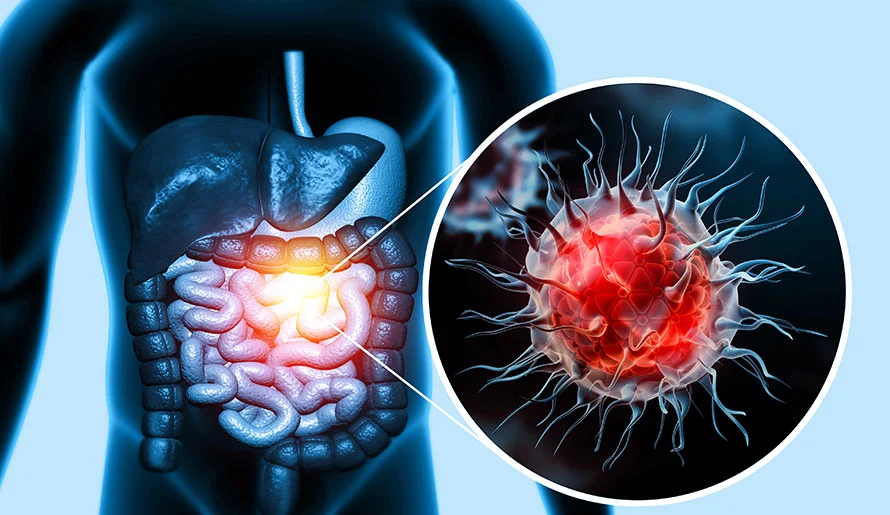
New Delhi, 19 December 2024: A groundbreaking study has revealed a concerning connection between airborne microplastics and an increased risk of lung and colon cancers. Conducted by researchers from a leading global institute, the study emphasizes the urgent need to address environmental pollution and its impact on public health. Microplastics, tiny fragments of plastic less than five millimeters in size, have been detected in air, water, and food sources, raising significant health concerns worldwide.
What Are Microplastics, and Why Are They Dangerous?
Microplastics originate from the degradation of larger plastic products or are directly manufactured for industrial use, such as in cosmetics or cleaning products. When these particles become airborne, they can be inhaled or ingested, leading to their accumulation in the human body. Researchers found that these particles can penetrate deep into lung tissues and even enter the bloodstream, creating a pathway to various organs, including the colon.
“Microplastics are not only environmental pollutants but also a direct health hazard. Their ability to interact with human tissues at the cellular level can trigger inflammation, oxidative stress, and potentially carcinogenic effects,” explained Dr. Ananya Patel, the lead author of the study.
Key Findings of the Study
The research highlights several alarming discoveries:
Lung Cancer Risk: Prolonged exposure to airborne microplastics significantly increases the likelihood of developing lung cancer due to tissue inflammation and genetic mutations caused by plastic particles.
Colon Cancer Connection: Ingested microplastics can disrupt gut microbiota, promote chronic inflammation, and lead to colorectal cancers.
Wide Exposure Routes: Microplastics enter the body through inhalation, contaminated food, and water, making exposure nearly unavoidable in modern urban environments.
Global Prevalence: Urban and industrial areas reported the highest concentrations of airborne microplastics, affecting millions of people worldwide.
How Airborne Microplastics Enter the Environment
Microplastics are released into the air through various human activities, including:
Industrial Emissions: Factories and construction sites emit plastic particles into the atmosphere.
Household Sources: Everyday items like synthetic fabrics, paints, and cleaning products contribute to microplastic pollution.
Waste Mismanagement: Improper disposal and degradation of plastic waste add to airborne contamination.
Health Experts Call for Immediate Action
Public health experts are urging governments and industries to take swift action to mitigate the effects of microplastic pollution. Dr. Patel emphasized the importance of stricter regulations on plastic production and better waste management systems to reduce environmental contamination.
“This study is a wake-up call. We must prioritize sustainable alternatives to plastic and implement measures to monitor and limit exposure to microplastics,” she added.
Protecting Yourself Against Microplastic Exposure
While microplastics are pervasive, individuals can take steps to minimize their exposure:
Use air purifiers to reduce indoor air pollution.
Avoid single-use plastics and opt for sustainable materials.
Filter tap water to remove potential microplastic contamination.
Support brands and policies that focus on reducing plastic pollution.
Future Research and Global Implications
The study’s findings have significant implications for public health policies and research priorities. Scientists are now investigating the long-term effects of microplastics on human health and exploring ways to detect and mitigate exposure more effectively. Meanwhile, global efforts to reduce plastic waste and pollution have gained momentum, with increasing calls for international cooperation.
The revelation that airborne microplastics can lead to lung and colon cancers underscores the urgent need for action to address this hidden threat. As research continues to uncover the far-reaching impact of microplastics on human health, policymakers, industries, and individuals must work together to combat this growing environmental and public health crisis. Protecting future generations depends on the steps we take today to reduce plastic pollution and safeguard our planet.












Leave a comment