

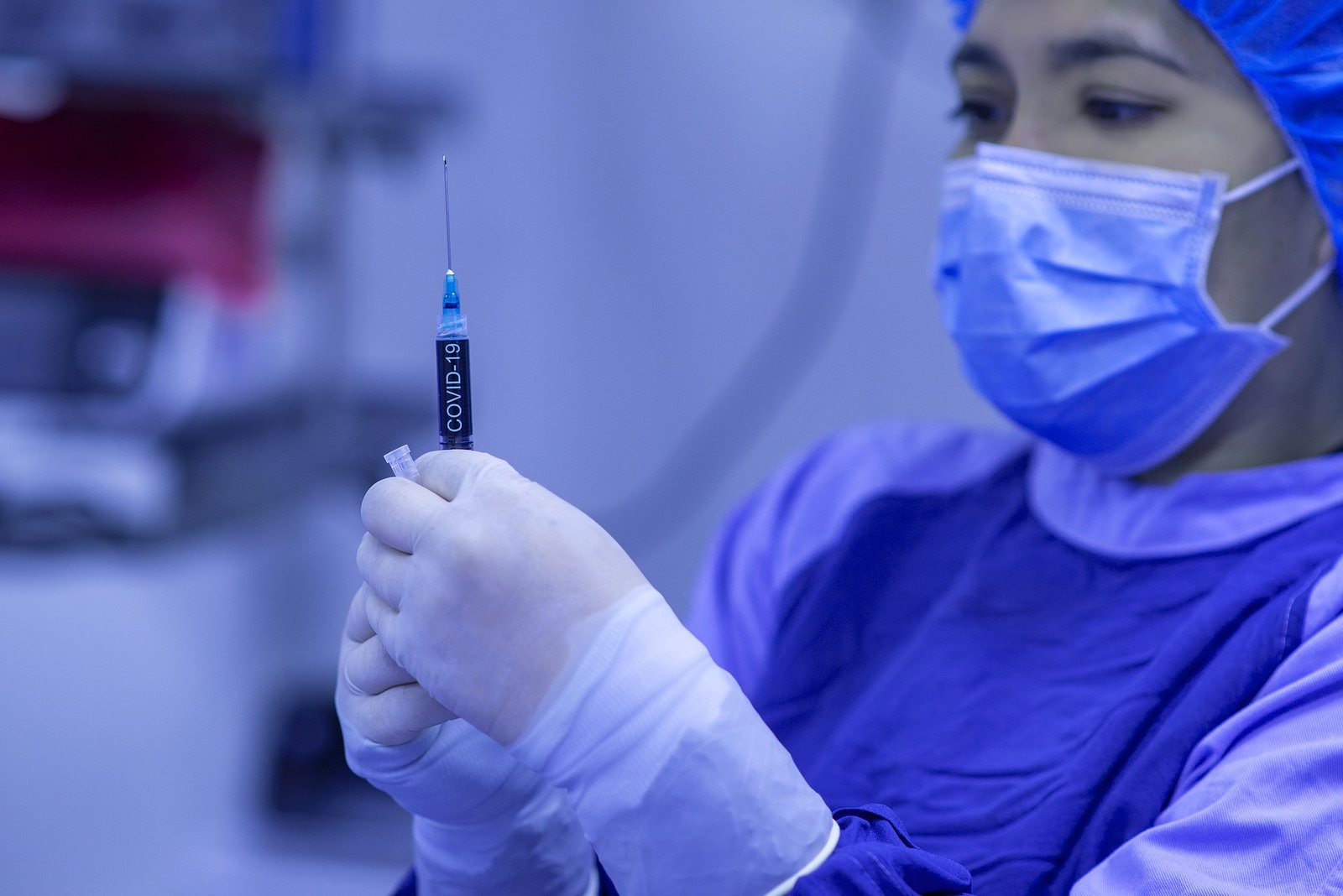
New Delhi, 17 June 2025: In a tragic incident that has sent shockwaves across the country, a 9-year-old girl died shortly after being administered general anaesthesia for a routine dental procedure. What was expected to be a simple dental treatment turned fatal within minutes, raising urgent questions about the safety of anaesthesia in children, potential medical negligence, and the preparedness of dental clinics to handle emergencies involving paediatric patients.
According to media reports, the young girl had visited a dental clinic with her parents to undergo treatment for tooth decay. The dentist recommended general anaesthesia to ensure the child remained still and pain-free during the procedure. However, shortly after the anaesthesia was administered, the girl reportedly became unresponsive and her vitals began to crash. Despite immediate resuscitation efforts, she could not be revived.
Medical experts are now investigating what exactly went wrong—was it anaesthesia-related complications, an undetected allergy, a dosing error, or lack of emergency preparedness at the facility? While the post-mortem report is still awaited, paediatricians and anaesthesiologists have stressed the importance of thorough pre-anaesthesia evaluation, proper monitoring equipment, and trained emergency response teams—especially in non-hospital settings like dental clinics.
General anaesthesia is not uncommon in paediatric dentistry, especially for procedures requiring longer durations or when a child is anxious or uncooperative. However, it comes with certain risks, particularly in young children, whose airways are more sensitive, and whose bodies may react unpredictably to sedative drugs. Reactions can include airway obstruction, allergic response, low oxygen levels, cardiac arrest, or malignant hyperthermia—a rare but life-threatening reaction to anaesthesia.
Dr. Arvind Mehra, a senior paediatric anaesthesiologist, notes, “General anaesthesia is not something that should be taken lightly in children. A complete preoperative assessment—including medical history, allergies, previous responses to sedation, and any underlying health issues—is essential. Not every dental clinic is equipped to deal with such complexities, and that’s where the risk lies.”
One of the growing concerns is the rising use of general anaesthesia in dental clinics without hospital-level infrastructure. Unlike hospitals, where operating theatres are fully equipped with ventilators, advanced monitoring, and critical care staff, many standalone dental centres may not have the capacity to handle emergencies if a child goes into shock or experiences respiratory failure. In such situations, every minute counts, and the lack of prompt life-saving intervention can prove fatal.
Experts stress that local anaesthesia and conscious sedation—where the child remains awake but relaxed—are often safer alternatives for many dental procedures. General anaesthesia should be reserved for complex surgeries or extremely anxious patients, and must only be administered by trained paediatric anaesthesiologists in fully-equipped setups.
In India, there are currently no uniform guidelines for dental clinics on the use of general anaesthesia in children. This tragic incident has reignited the debate on the urgent need for stricter regulations, audits of dental facilities offering sedation, and mandatory staff training in paediatric emergency response protocols.
The child’s grieving family is now demanding answers. They claim that the clinic failed to conduct proper health checks and did not inform them of the risks involved. They also allege that the clinic lacked emergency equipment and there was a delay in shifting the child to a hospital once complications arose. An investigation has been launched, and the clinic could face legal action if found negligent.
Meanwhile, doctors and child health advocates are urging parents to ask critical questions before agreeing to anaesthesia for their children. These include:
- Is the anaesthesia absolutely necessary?
- Will a qualified paediatric anaesthesiologist be present?
- Is the facility equipped with emergency equipment and trained staff?
- What are the alternatives—like conscious sedation or local anaesthesia?
While dental treatments are routine and generally safe, paediatric anaesthesia is a high-stakes intervention that must be handled with the highest level of care. The tragic death of this 9-year-old girl is a heartbreaking reminder that even a simple medical procedure can become life-threatening in the absence of protocols, preparation, and expertise. As the investigation continues, experts hope this incident will lead to tighter regulations, better safety standards, and greater awareness among parents and medical professionals alike.













Leave a comment