

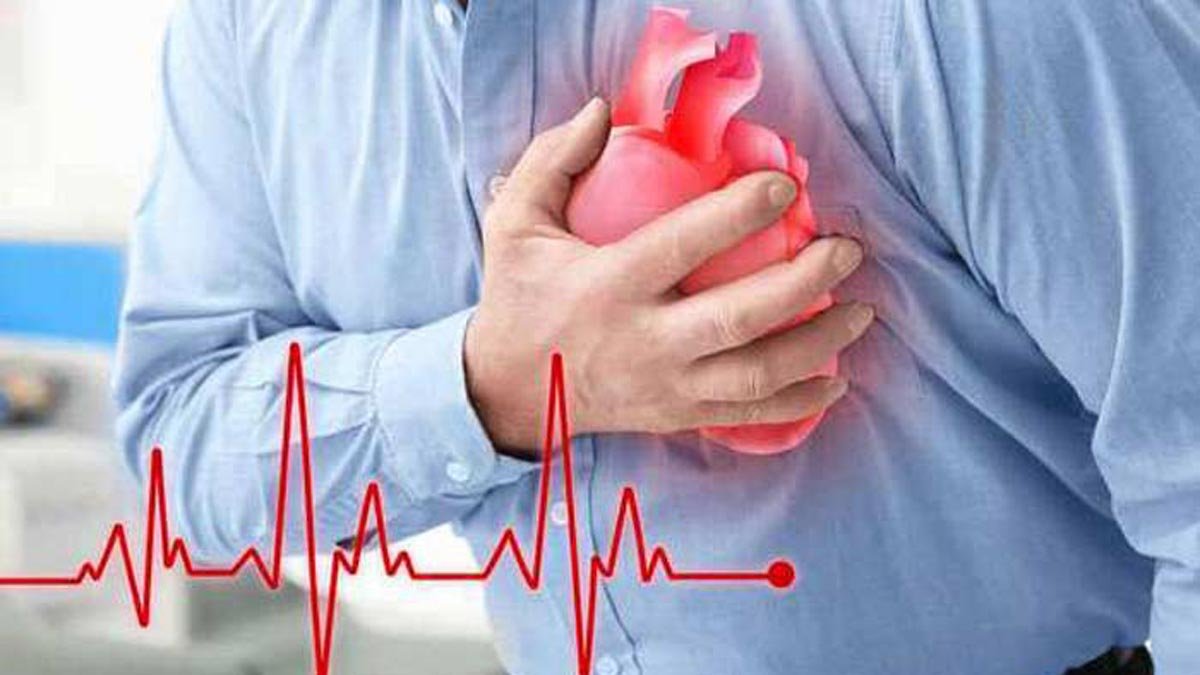
New Delhi, 14 November 2025: Heart attacks are often perceived as sudden, unmistakable events marked by intense chest pain and collapse, but the truth is that the body usually sends out early warning signs well in advance. These signs are often subtle and easy to dismiss, especially by younger individuals or those who appear healthy on the outside. Recognizing these early symptoms and seeking medical attention promptly can significantly increase the chances of survival and reduce the risk of long-term damage. Heart disease continues to be one of the leading causes of death worldwide, and understanding its early indicators is crucial in preventing fatal outcomes. Experts stress that heart attacks don’t always come with dramatic symptoms, and people need to be aware of the more common yet silent red flags the body gives. Here are six warning signs of an impending heart attack that no one should ever ignore.
Shortness of Breath Even Without Physical Exertion
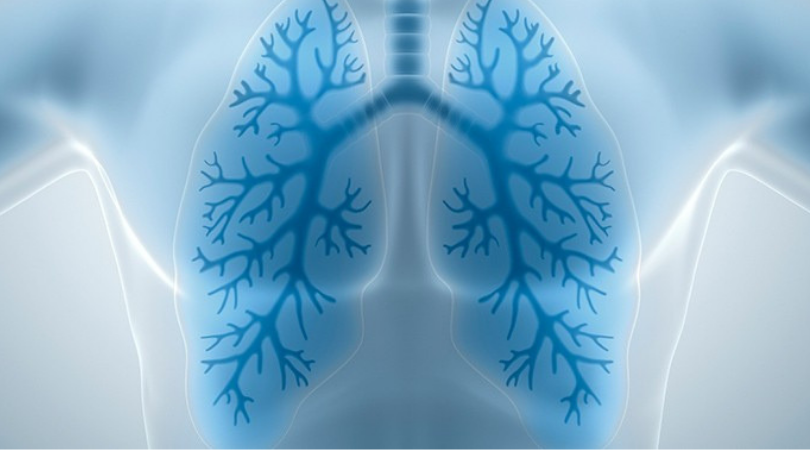
One of the earliest and most overlooked signs of a heart problem is shortness of breath, especially when it occurs without any strenuous physical activity. This can happen while walking short distances, climbing stairs, or even while lying down. The heart and lungs work in tandem to supply oxygen to the body. When the heart isn’t pumping efficiently due to blocked arteries or weakened muscles, oxygen delivery drops, leading to breathlessness. Some may even experience difficulty breathing when lying flat, which improves only when they sit up. This symptom can surface weeks or even months before a heart attack and is a major red flag that something is not right with the cardiovascular system.
Persistent Fatigue and Weakness
Feeling unusually tired, drained, or weak — even after a full night’s sleep — can be more than just exhaustion from a busy day. Chronic fatigue may point to reduced blood flow due to a weakened heart, which struggles to meet the oxygen demands of the body. When the heart’s efficiency declines, muscles and tissues don’t get the required nutrients and oxygen, resulting in persistent tiredness. This may also be accompanied by a feeling of heaviness in the limbs or an inability to complete basic daily tasks. It’s a symptom often brushed off as aging or stress, but it could indicate a looming cardiac event.
Chest Discomfort or Pressure
Chest pain is the hallmark symptom of a heart attack, but it doesn’t always present in the dramatic form often portrayed in media. It may appear as pressure, squeezing, tightness, or fullness in the chest, and it may last for a few minutes or come and go intermittently. Some people describe it as a heavy weight sitting on the chest, while others feel a sharp, burning sensation. It’s important to note that not all chest pain is heart-related, but if the discomfort persists, especially during rest or minimal exertion, it could indicate that the heart muscle is not receiving enough oxygen. Immediate medical attention is essential when chest discomfort is involved.
Indigestion, Nausea, or Stomach Pain
Digestive symptoms like indigestion, heartburn, nausea, or even abdominal pain can often mask an upcoming heart attack. These signs are particularly misleading because they mimic common gastrointestinal issues, leading individuals to self-medicate or ignore them. However, these symptoms can indicate that the heart is under stress and not functioning properly. Some people, especially women, may experience only these types of symptoms without any chest pain, making them easier to overlook. If these digestive issues are unusual, intense, or occur alongside other signs like fatigue or breathlessness, it’s important to seek a doctor’s opinion.
Pain in the Arms, Neck, Jaw, or Back
Heart attack pain is not always confined to the chest. In many cases, it radiates to other areas of the upper body. Pain or discomfort may start in the chest and move outward or may begin in areas such as the left arm, both arms, neck, jaw, shoulder blades, or upper back. This referred pain occurs because the nerves that supply the heart also branch into these regions, so the body may interpret pain signals incorrectly. If this discomfort feels unusual, unexplained, or worsens with exertion and improves with rest, it’s critical not to ignore it. These seemingly unrelated aches can be signs of a cardiac issue that requires urgent evaluation.
Dizziness, Lightheadedness, or Cold Sweats
Feeling faint, lightheaded, or experiencing sudden dizziness without any apparent reason can be a warning sign that your heart is not pumping enough blood to the brain. Cold sweats, especially when they come on suddenly or are accompanied by other symptoms like chest pain or nausea, may also signal a cardiac problem. These symptoms can easily be misattributed to low blood sugar, dehydration, or anxiety, but in the context of other indicators, they may point to an impending heart attack. When these episodes occur suddenly and without a clear cause, they should never be brushed aside.
Many people who experience these symptoms wait too long before seeking medical help, thinking the signs are too mild to indicate anything serious. But heart attacks often present subtly and silently before striking hard. Knowing the early warning signs can be the difference between life and death. If you or someone you know is experiencing even one or two of these symptoms — particularly if they are persistent or worsening — it’s important to get evaluated by a healthcare provider immediately. Early detection, lifestyle modifications, and timely treatment can help manage risks and prevent a full-blown cardiac event.











Leave a comment