

There is an increasing trend of incidence of the presence of the diseases and disorders that affect the gastrointestinal system over the past decade because of changes in lifestyle. The patients who suffer from diseases associated with gastroenterology have high depression, stress, anxiety, and central nervous system dysfunction.
According to Dr Anukalp Prakash, Director, Gastroenterology, CK Birla Hospital, Gurugram, “Functional gastrointestinal disorder” is a name that is associated with several diseases that cause symptoms of the gastrointestinal system (such as stomach pain, dysphagia, dyspepsia, diarrhoea, constipation, and abdominal distension), but they do not show any physical signs of disease under the diagnostic tests. There are 20 distinct diseases which come under FGID in children.3 FGIDs are very common.”
Lifestyle factors affecting digestive health in teenagers
The doctor says that FGIDs are common in adolescents and lead to considerable morbidity. Here are the lifestyle factors affecting digestive health in teenagers:
- Nutrition: Overindulgence in fast foods, snacks, and carbonated beverages results in disruptions in the gut microbiota.
- Lack of Physical Activity: Long hours spent sitting due to virtual learning and work increase the likelihood of decreased gastrointestinal movements.
- Stress and Insomnia: Academic and professional stress interfere with the brain-gut axis. Stress promotes irritable bowel syndrome.
Rising liver diseases linked to youth lifestyle habits
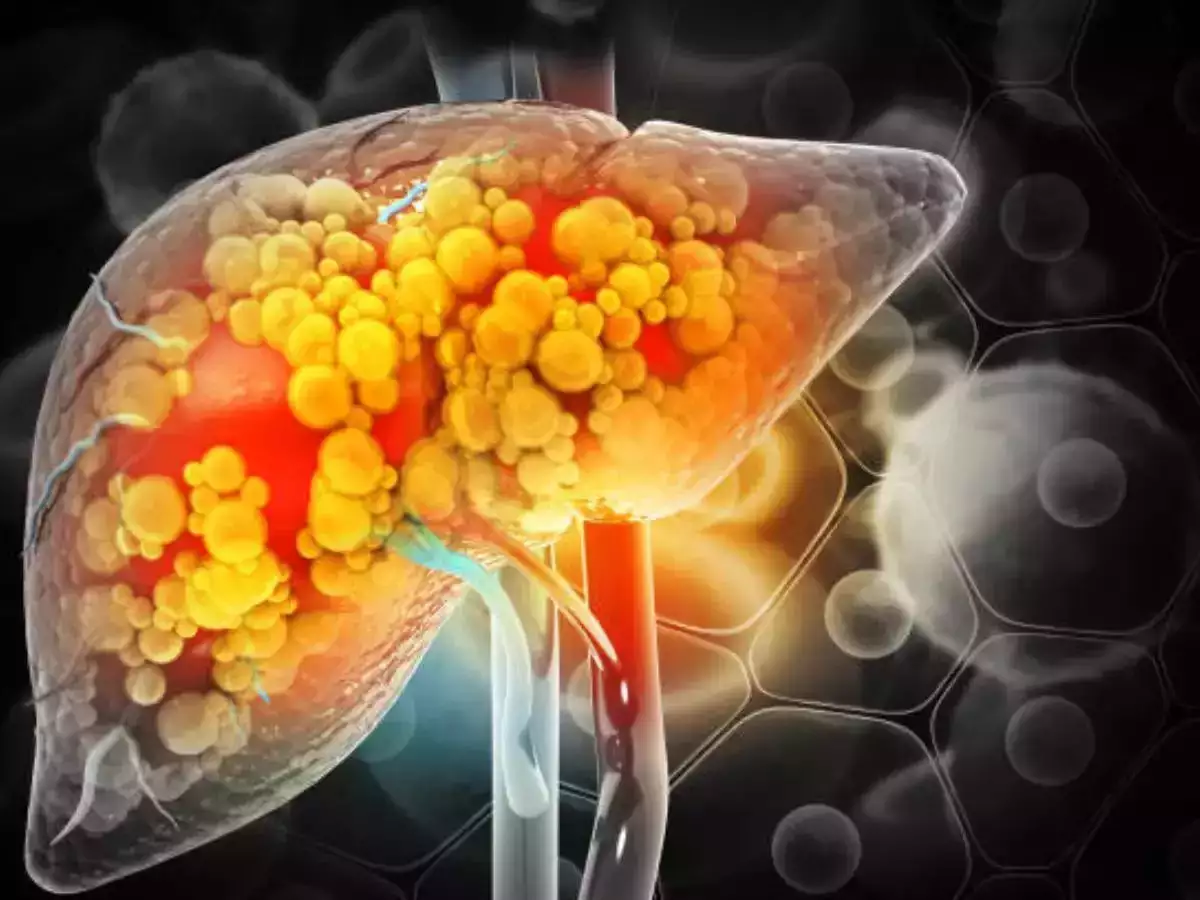
Non-alcoholic fatty liver disease (NAFLD)
NAFLD is rarely seen in the youth previously but is currently rising in incidence. It is highly related to obesity, insulin resistance, and poor diet. The disorder does not exhibit any symptoms and develops slowly from the benign fatty liver to cirrhosis.
Liver damage from drinking alcohol
It is common for youths to indulge in excessive binge drinking these days, especially those residing in urban areas and enrolled in institutions of higher learning. Taking excessive amounts of alcohol within a relatively short period causes fatty liver or hepatitis. Continued abuse results in cirrhosis that manifests prematurely.
Prevention and management tips for better digestive and liver health
- Diet Change: The consumption of whole grains, fruits, vegetables, and the consumption of enough water must be encouraged.
- Regular Exercise: The person needs to practice exercises for 30 to 45 minutes on a daily basis. Less time with gadgets and more exercises are preferred.
- Relieving Stress and Sleeping Habits: Yoga and meditation help the person develop a link between the brain and intestines. Sleeping for eight hours per day helps in regenerating liver.
- Abstinence from Harmful Activities: No consumption of alcohol, cigarettes, and energy drinks. Rather than that encouraging physical activities to relieve stress is advised.
- Health Screening: Liver screening must be carried out by those youngsters who might get into health complications.
Highlights:
- Overindulgence in fast foods, snacks, and carbonated beverages results in disruptions in the gut microbiota.
- NAFLD is rarely seen in the youth previously but is currently rising in incidence. It is highly related to obesity, insulin resistance, and poor diet.
- No consumption of alcohol, cigarettes, and energy drinks. Rather than that encouraging physical activities to relieve stress is advised.
Why youth need to prioritise digestive and liver health today?
The youth of today is at a point where success and failure lies. The modern age makes everything easy but also increases the risk of several digestive disorders and other complications related to the liver. There is an increased rate of cases of non-alcoholic fatty liver and damage to the liver by alcoholic products in youth.
Disclaimer: Dear readers, this article provides general information and advice only. It is not at all professional medical advice. Therefore, always consult your doctor or a healthcare specialist for more information.
















Leave a comment