

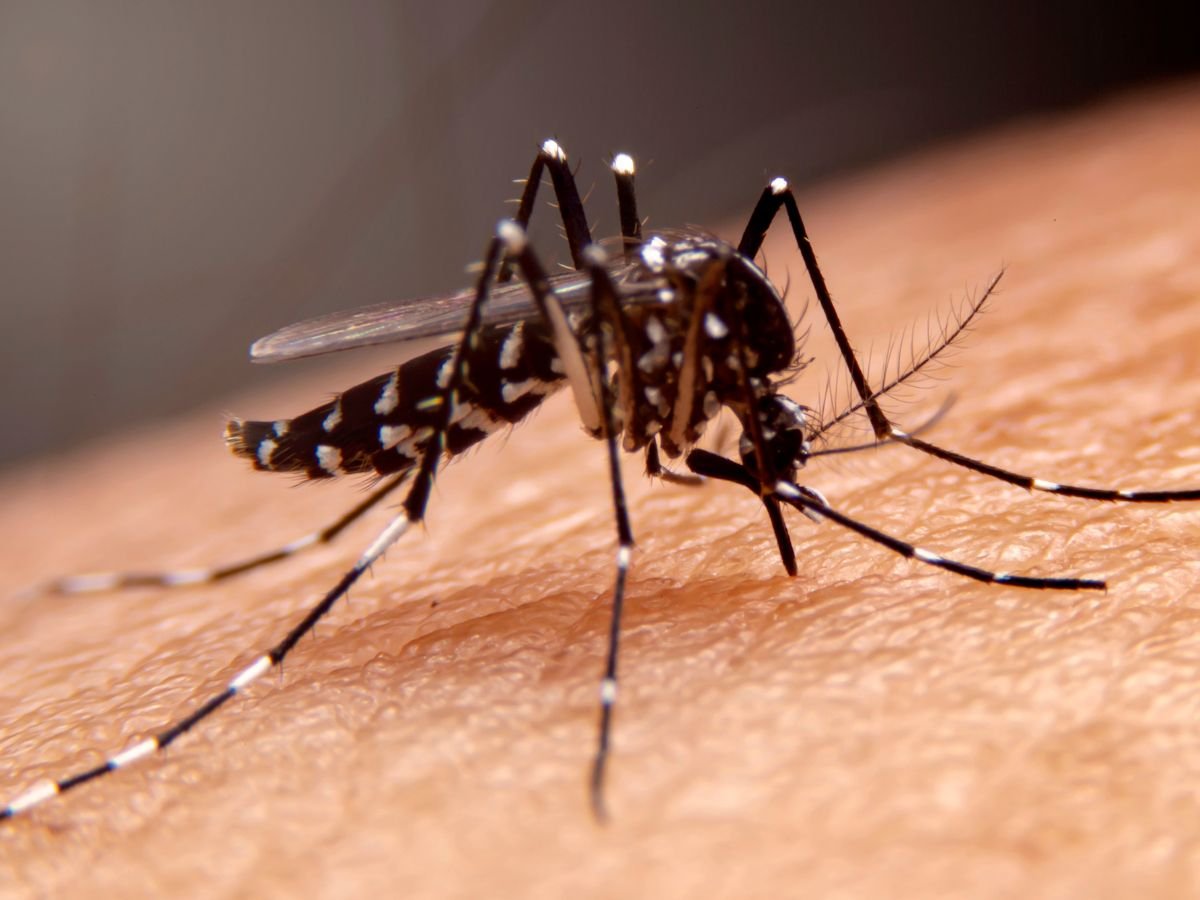
World Malaria Day 2024 offers us the opportunity to gain a deeper understanding of this deadly virus, particularly how it tears through our internal organs once it makes its way into our systems. Better understanding is a step towards better prevention and treatment, and ultimately, a step towards saving more lives.
How Malaria Transmits From One To Another
Mainly, malaria spreads when an infected female Anopheles mosquito bites a human. The pesky parasites get a free ride into the bloodstream of the bitten human and head straight for the liver. In the safety of the liver, they grow, multiply and then re-enter the bloodstream to wreak havoc on red blood cells, thus giving birth to the dreaded symptoms of malaria.
Affects The Kidneys
Adversely, kidney complications due to malaria can emerge from various factors such as decreased blood flow, renal blood vessels blockage by infected RBCs, and toxic byproducts released from destroyed RBCs. One severe complication, acute kidney injury, can have long-term effects if not addressed swiftly.
Liver Problems
Once the troublesome malaria parasites make their way to the liver, they start picking fights with hepatocytes, our liver’s main cells. These parasites, unfortunately, tip the scales in their favor, causing dysfunction and serious damage to the liver. In the worst-case scenario, a severe malaria infection could cause liver failure, which demands immediate medical attention to prevent loss of life.
Impacts Red Blood Cells (RBCs)
The truth of malaria’s impact on red blood cells (RBCs) is quite grim. These parasites mercilessly invade RBCs, making them rigid and sticky to the touch. RBCs infected in this way can block blood vessels, disrupting the vital circulation of blood to primary organs such as the brain, heart, or kidneys. This disturbing consequence noticeably brings about severe malaria complications, like cerebral malaria and organ failure.
Malaria Infection Affects The Brain
Cerebral malaria dramatically spotlights the brain’s vulnerability to malaria parasites. They attack the blood vessels in the brain, causing them to swell and become inflamed. This inflammatory response can trigger seizures, coma, even death. Clearly, time is of the essence for diagnosing and treating anyone infected.
As we celebrate the World Malaria Day 2024, we must focus on the widespread impact of this disease on our internal organs. Malaria’s relentless attack can leave devastating damage, from the liver to the brain, kidneys, and respiratory system if not checked urgently and efficiently. Elevating awareness, introducing robust preventative tactics, and ensuring access to high-quality healthcare are crucial weapons in our battle against malaria’s destructive power.












Leave a comment