As temperatures drop, blood pressure tends to rise—a seasonal shift that many people with hypertension are unaware of. Winter is not just a time for colds and flu; it is also a high-risk period for heart attacks, strokes, and sudden spikes in blood pressure. Doctors consistently warn that blood pressure control becomes more challenging during colder months, making home monitoring not just helpful, but essential.
For people living with hypertension—or those at risk—understanding how often to check blood pressure at home in winter can play a crucial role in preventing complications.
Why Blood Pressure Rises in Winter
Several physiological and behavioural factors contribute to higher blood pressure during cold weather.
Cold temperatures cause blood vessels to constrict (vasoconstriction) in order to conserve heat. When blood vessels narrow, the heart has to pump harder to circulate blood, leading to an increase in blood pressure. Studies show that systolic blood pressure can rise by 5–10 mmHg during winter compared to summer months.
In addition to physiological changes, lifestyle factors worsen BP control in winter:
- Reduced physical activity
- Weight gain
- Increased salt intake
- Higher stress levels
- Poor sleep
- Less exposure to sunlight (affecting vitamin D levels)
Together, these changes significantly raise cardiovascular risk.
Who Needs Extra Vigilance During Winter?
While everyone should be mindful of blood pressure during colder months, certain groups need closer monitoring:
- People already diagnosed with hypertension
- Older adults
- Individuals with diabetes or kidney disease
- Those with a history of heart attack or stroke
- Smokers
- People with obesity
- Individuals on multiple BP medications
For these groups, winter-related BP fluctuations can be dangerous if left undetected.
The Importance of Home Blood Pressure Monitoring
Home blood pressure monitoring provides a more accurate picture of real-world blood pressure compared to occasional clinic readings. It helps detect:
- Early morning BP surges
- Nocturnal hypertension
- White-coat hypertension
- Masked hypertension
- Sudden seasonal spikes
Doctors increasingly rely on home readings to adjust medications, especially during winter.
How Often Should BP Patients Check Blood Pressure in Winter?
There is no one-size-fits-all answer, but experts offer clear guidance based on individual risk levels.
1. Newly Diagnosed or Poorly Controlled Hypertension
If you have recently been diagnosed or your BP is not well controlled:
- Check BP twice daily
- Once in the morning (before medication and breakfast)
- Once in the evening
- Do this for at least 7–14 days
This helps doctors understand patterns and adjust treatment.
2. Stable Hypertension on Treatment
If your blood pressure is usually well controlled:
- Check BP 3–4 times per week
- Preferably at the same time each day
- Increase frequency during very cold spells or illness
3. High-Risk Individuals
People with heart disease, kidney disease, or diabetes should:
- Monitor BP daily
- Record readings consistently
- Watch closely for sudden spikes
4. Elderly Patients
Older adults are more sensitive to cold-induced BP changes:
- Check BP at least 4–5 times a week
- Monitor for dizziness, falls, or sudden fatigue
Best Time of Day to Measure Blood Pressure
Timing matters when it comes to BP monitoring.
- Morning (6–9 am): BP is usually highest due to natural hormonal surges.
- Evening (6–9 pm): Helps identify sustained hypertension.
- Avoid measuring immediately after exercise, bathing, smoking, or consuming caffeine.
Always rest quietly for 5 minutes before measuring.
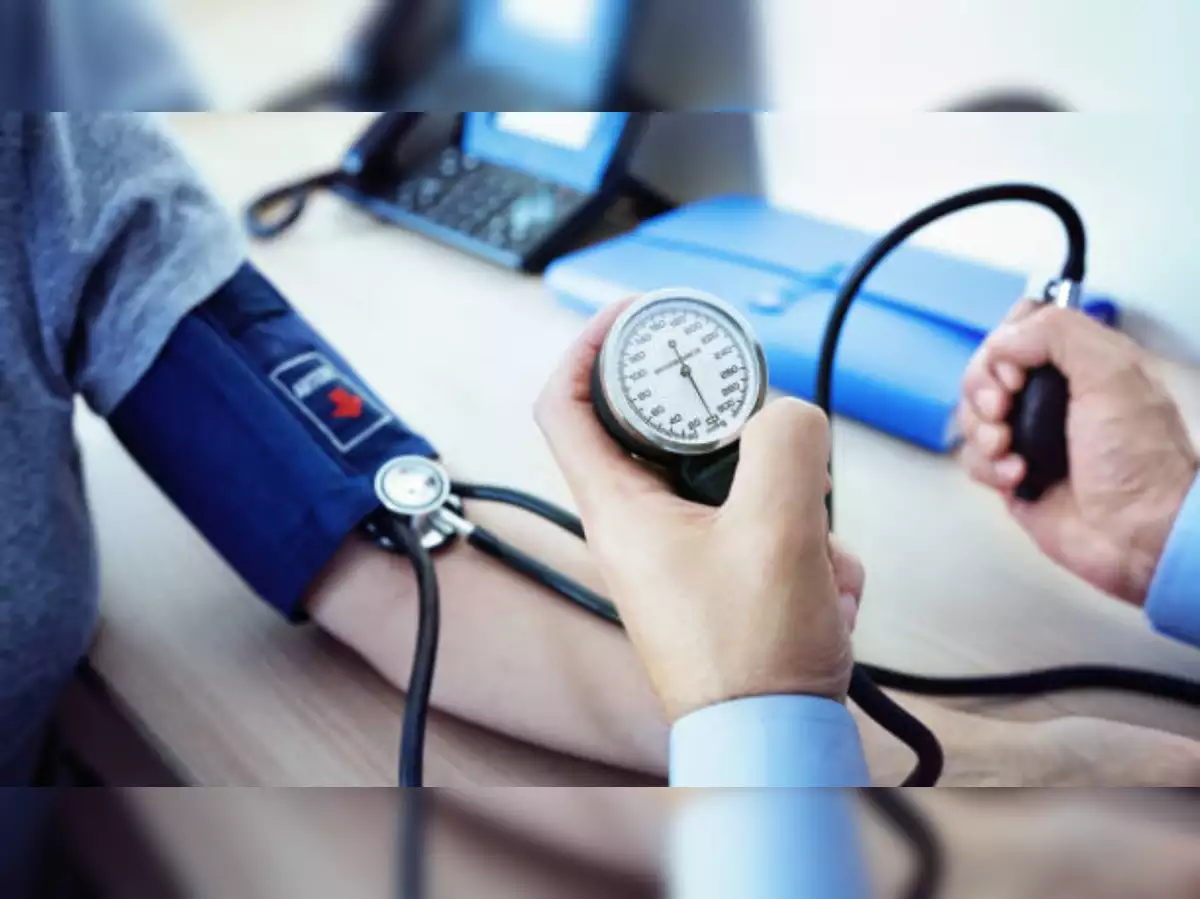
How to Measure Blood Pressure Correctly at Home
Incorrect technique can give misleading readings. Follow these steps:
- Sit upright with back supported
- Keep feet flat on the floor
- Rest arm at heart level
- Use a validated digital BP monitor
- Avoid talking during measurement
- Take two readings one minute apart and record the average
Use the same arm consistently.
What BP Readings Should Raise Concern in Winter?
Seek medical advice if:
- BP consistently exceeds 140/90 mmHg
- Sudden rise of more than 20 mmHg from usual readings
- Symptoms such as headache, chest pain, dizziness, breathlessness, or blurred vision occur
Winter-related BP spikes are a common trigger for heart attacks and strokes, particularly in the early morning hours.
Medication Adjustments During Winter
Some patients may require medication dose adjustments during winter. Doctors may:
- Increase dosage
- Add a second medication
- Change timing of doses
- Address fluid retention or salt sensitivity
Never adjust medication on your own based solely on home readings—always consult a doctor.
Lifestyle Tips to Keep BP in Check During Winter
Home monitoring works best when combined with lifestyle measures:
- Stay warm: Cold exposure raises BP
- Limit salt intake: Winter comfort foods are often high in sodium
- Stay active: Indoor exercises like yoga or brisk walking help
- Maintain hydration: Dehydration thickens blood
- Get adequate sleep: Poor sleep worsens BP control
- Limit alcohol: Alcohol raises BP and disrupts sleep
The Role of Stress and Mental Health
Winter blues, work stress, and reduced daylight can increase stress hormones, raising blood pressure. Mindfulness, breathing exercises, and maintaining social connections help counter this effect.
When to See a Doctor Immediately
Seek urgent medical care if BP readings are very high (above 180/120 mmHg) or if accompanied by:
- Chest pain
- Severe headache
- Confusion
- Vision problems
- Weakness on one side of the body
These may indicate a hypertensive emergency.
Why Winter BP Monitoring Can Save Lives
Studies consistently show higher rates of cardiovascular deaths during winter months. Many of these events are preventable with timely detection of rising blood pressure.
Home monitoring empowers patients to:
- Detect early warning signs
- Share accurate data with doctors
- Prevent complications before they escalate
Blood pressure management does not take a winter break. In fact, winter demands greater vigilance, especially for those already living with hypertension.
Regular home blood pressure monitoring—tailored to your risk level—can make the difference between stable control and a medical emergency. When combined with proper technique, medication adherence, and healthy winter habits, it becomes one of the most powerful tools for protecting heart health during the coldest months of the year.
In winter, checking your blood pressure isn’t just routine—it’s a lifesaving habit.