

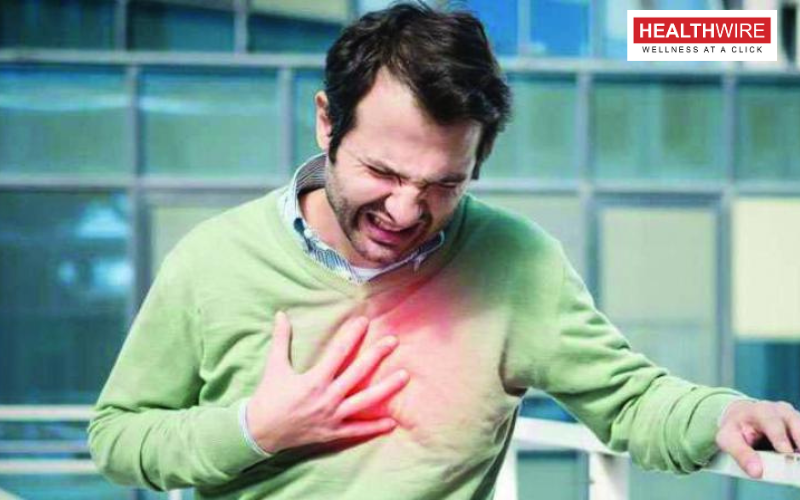
New Delhi, 05 November, 2025: Every year, as temperatures drop, hospitals across the country report a disturbing trend — a sharp rise in cardiac arrest cases during the winter months. Doctors warn that cold weather doesn’t just bring chills; it puts an added strain on your heart, especially if it’s already weak or damaged.
A sudden cardiac arrest can strike without warning, but in many cases, the body gives subtle clues long before a catastrophic event occurs. Understanding these warning signs could mean the difference between life and death.
Here’s why cardiac arrest is more common in winter — and the five serious symptoms that indicate your heart might be in trouble.
Why Winter Is Risky for the Heart
Cold weather affects the body in multiple ways, and for people with underlying heart problems, these changes can be dangerous.
- Narrowed blood vessels: Exposure to cold causes arteries to constrict, increasing blood pressure and forcing the heart to work harder.
- Thicker blood: Low temperatures make blood more viscous, increasing the risk of clot formation.
- Oxygen demand: The heart needs more oxygen in the cold, especially during physical exertion.
- Sudden exertion: Shoveling snow, climbing stairs, or brisk walking in freezing air can trigger a heart attack or cardiac arrest in vulnerable individuals.
- Winter infections: Flu, pneumonia, and other respiratory illnesses also strain the cardiovascular system.
When these stressors combine, even a previously stable heart can become vulnerable to failure.
What Is Cardiac Arrest?
A cardiac arrest occurs when the heart suddenly stops beating effectively. Unlike a heart attack (which is caused by blocked arteries), cardiac arrest is usually due to an electrical malfunction that disrupts the heart’s rhythm.
Without immediate medical help, cardiac arrest leads to loss of consciousness, absence of pulse, and death within minutes. However, the risk often builds silently over time as the heart weakens or sustains unnoticed damage.
5 Warning Signs That Your Heart May Be Severely Damaged
Your heart rarely fails without sending distress signals first. Recognizing these early signs can give you a crucial window to seek medical help before it’s too late.
1. Persistent Chest Pain or Pressure
Chest discomfort is one of the most obvious — and most ignored — signs of cardiac distress. People often describe it as:
- A squeezing or heavy pressure
- A burning sensation (mistaken for acidity)
- Pain radiating to the left arm, jaw, neck, or back
This discomfort may come and go, or appear during physical activity, emotional stress, or cold exposure.
If chest pain lasts more than a few minutes, or returns frequently, it could indicate angina or a silent heart attack, both of which weaken heart muscles and increase the risk of cardiac arrest.
Never dismiss chest pain as just “gas” or anxiety — get an ECG or cardiac enzyme test immediately.
2. Shortness of Breath (Even at Rest)
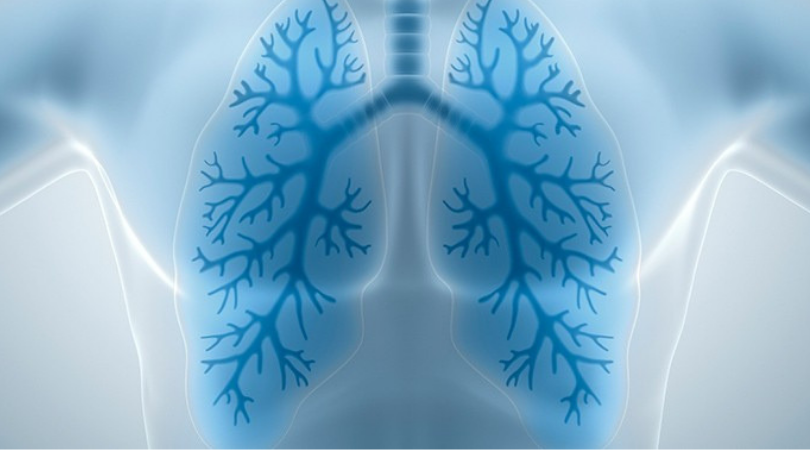
If you find yourself gasping for air during mild activity — or even while resting — it may be a sign of heart failure. When the heart becomes too weak to pump blood effectively, fluid builds up in the lungs, causing breathlessness.
Other related symptoms include:
- Trouble breathing when lying flat
- Waking up at night short of breath
- A persistent dry cough or wheezing
This symptom often worsens in cold weather, as frigid air constricts airways and further stresses the lungs and heart. Shortness of breath should never be ignored, especially if accompanied by chest tightness or fatigue.
3. Extreme Fatigue and Weakness
Feeling unusually tired even after adequate rest may be an early indicator that your heart is struggling. When the heart can’t pump enough blood, your muscles and organs receive less oxygen, leaving you feeling drained.
You may notice:
- Dizziness or fainting spells
- Difficulty performing daily activities
- Heavy legs or a sense of “slowing down”
Persistent fatigue can signal chronic heart failure or severe cardiac damage, particularly if it worsens over weeks or months.
If everyday tasks suddenly seem exhausting, consult a cardiologist for a full evaluation — fatigue is one of the body’s earliest distress calls.
4. Swelling in Legs, Ankles, or Abdomen
Fluid buildup in the lower body is another hallmark of advanced heart disease. When the heart’s pumping efficiency declines, blood starts pooling in veins, and fluid leaks into surrounding tissues — a condition known as edema.
Common signs include:
- Swollen feet, ankles, or calves
- Tight shoes or socks leaving deep marks
- Abdominal bloating or unexplained weight gain
Edema is often accompanied by shortness of breath and fatigue, suggesting heart failure is progressing. If swelling appears suddenly or worsens rapidly, it’s a clear warning sign that the heart is losing its ability to circulate blood effectively.
5. Irregular or Rapid Heartbeat
Your heart rhythm tells a lot about its health. Skipped beats, fluttering sensations, or sudden racing of the heart (palpitations) can indicate arrhythmias — electrical irregularities that disrupt normal cardiac function.
While mild palpitations can result from stress or caffeine, persistent or severe rhythm changes may point to:
- Atrial fibrillation
- Ventricular tachycardia
- Other rhythm disturbances that can trigger cardiac arrest
If you experience heart fluttering, dizziness, or fainting, it’s important to seek immediate medical care. Arrhythmias are among the top causes of sudden cardiac arrest and require early diagnosis.
Why These Symptoms Worsen in Winter
Cold weather amplifies all of these warning signs. For people with existing heart disease, even minor temperature drops can:
- Raise blood pressure and heart rate
- Reduce oxygen supply to the heart
- Trigger coronary spasms (temporary narrowing of blood vessels)
- Increase clotting risk, raising the chance of a heart attack or stroke
Winter also tends to disrupt daily routines — less exercise, heavier meals, and more stress during holidays — all of which can make a weak heart more vulnerable.
Who Is Most at Risk During Winter?
While anyone can suffer cardiac arrest, certain groups are at higher risk in cold weather:
- People over 50
- Those with hypertension, diabetes, or high cholesterol
- Smokers and heavy drinkers
- Individuals with obesity or sedentary lifestyles
- Patients recovering from a recent heart attack or bypass surgery
If you belong to any of these categories, extra vigilance during winter is essential.
How to Protect Your Heart in Winter
Preventing cardiac arrest starts with proactive care and healthy habits. Cardiologists recommend the following steps:
- Dress warmly: Wear layers, gloves, and scarves to protect against temperature shocks that strain your heart.
- Avoid sudden exertion: Warm up before physical activity; don’t jump straight into shoveling snow or heavy work.
- Eat heart-healthy foods: Focus on fruits, vegetables, whole grains, and omega-3-rich fish while reducing salt and sugar.
- Limit alcohol and quit smoking: Both constrict blood vessels and increase the risk of clot formation.
- Manage stress: Meditation, yoga, or deep breathing can reduce heart strain.
- Check your medications: Some cold remedies can raise blood pressure — consult your doctor before taking over-the-counter drugs.
- Get regular heart checkups: If you have risk factors, schedule ECGs, blood pressure monitoring, and cholesterol tests every few months.
When to Seek Immediate Medical Help
You should call emergency services immediately if you or someone near you experiences:
- Sudden chest pain or pressure
- Loss of consciousness
- Shortness of breath with dizziness
- Cold sweats and nausea
- A pulse that becomes weak or irregular
Remember: every minute counts during cardiac arrest. Quick CPR and use of an automated external defibrillator (AED) can double or triple survival chances.
Winter is a silent test for your heart. The cold weather, coupled with lifestyle changes and hidden health risks, can push an already fragile heart toward failure. But cardiac arrest rarely strikes without warning — your body often sends signals first.
Persistent chest pain, breathlessness, swelling, fatigue, and irregular heartbeats are not just signs of aging — they could mean your heart is in distress.
The good news? With early diagnosis, medication, and lifestyle management, most heart damage can be slowed or even reversed.
So this winter, pay attention to what your body is telling you. Your heart might be whispering for help before it stops altogether — and listening could save your life.










Leave a comment