

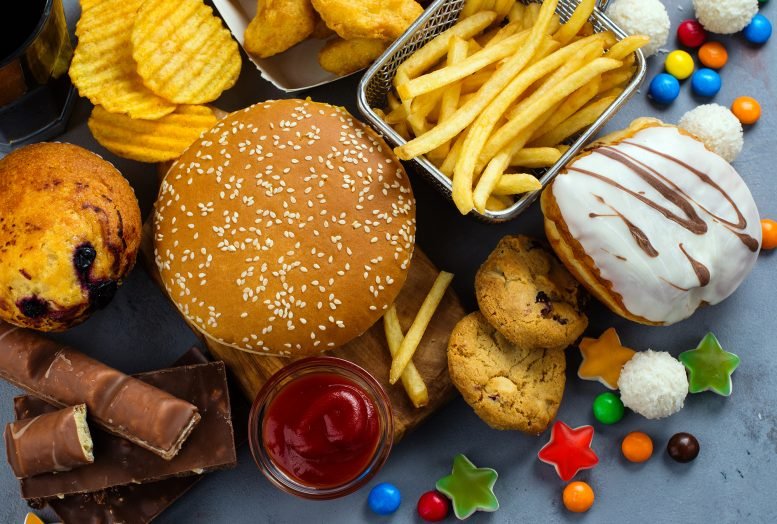
New Delhi, 28 September, 2025: Ultra-processed foods (UPFs) have become a staple in modern diets worldwide. From packaged snacks, instant noodles, ready-to-eat meals, sugary beverages, and frozen pizzas to breakfast cereals loaded with additives, these items dominate supermarket shelves and household pantries. While convenient, affordable, and often tasty, eating too many of these foods can take a serious toll on your body. Research increasingly links high consumption of ultra-processed foods with obesity, diabetes, heart disease, cancer, and even poor mental health.
So, what exactly happens inside your body when you rely heavily on ultra-processed foods? Let’s break it down.
What Are Ultra-Processed Foods?
Ultra-processed foods are products made mostly from industrial formulations of substances derived from foods, often combined with additives like preservatives, colorings, flavor enhancers, sweeteners, and emulsifiers. Unlike minimally processed or fresh foods, they are designed to be convenient, hyper-palatable, and have a long shelf life.
Examples include:
- Sugary soft drinks
- Packaged cakes, cookies, and pastries
- Instant noodles and soups
- Processed meats like sausages, nuggets, and salami
- Flavored breakfast cereals
- Chips and savory snacks
- Frozen ready-to-eat meals
Impact on Your Body
1. Rapid Weight Gain and Obesity
Ultra-processed foods are calorie-dense, high in sugar, fat, and salt, and low in fiber. They override natural hunger cues, making you eat more without feeling full. Studies show that people who eat diets high in UPFs consume hundreds of extra calories daily, often leading to weight gain and obesity.
2. Blood Sugar Spikes and Insulin Resistance
Refined carbohydrates and added sugars cause rapid spikes in blood sugar, followed by crashes that leave you tired and craving more food. Over time, this repeated stress on the body can lead to insulin resistance, a precursor to type 2 diabetes.
3. Increased Risk of Heart Disease
UPFs are often packed with trans fats, refined oils, and high sodium content. These contribute to high blood pressure, elevated cholesterol levels, and inflammation—all major risk factors for heart disease and stroke.
4. Digestive Problems and Poor Gut Health
Ultra-processed foods usually lack dietary fiber, which is essential for digestion and maintaining healthy gut bacteria. Without enough fiber, people may suffer from constipation, bloating, and a disrupted gut microbiome, which is now linked not only to digestive health but also to immunity and mood regulation.
5. Increased Risk of Cancer
Certain additives, preservatives, and processing methods have been linked to higher risks of some cancers. Processed meats, in particular, are classified as carcinogenic to humans. Excess body fat, often driven by UPF-heavy diets, is also a well-known risk factor for many cancers.
6. Weakened Immune System
A nutrient-poor diet filled with UPFs deprives your body of essential vitamins, minerals, and antioxidants needed to strengthen immunity. As a result, frequent consumption can make you more prone to infections and slower recovery.
7. Liver Damage and Fatty Liver Disease
Sugary drinks and processed snacks are strongly associated with non-alcoholic fatty liver disease (NAFLD). Excess sugar, especially from high-fructose corn syrup, gets converted into fat in the liver, leading to inflammation and potential long-term liver damage.
8. Mental Health Issues
Emerging research suggests a link between ultra-processed food consumption and mental health conditions like depression and anxiety. Nutrient deficiencies, inflammation, and poor gut health caused by UPFs may influence brain function and mood regulation.
9. Addictive Eating Behavior
These foods are designed to trigger the brain’s reward centers, making them addictive. The combination of sugar, fat, and salt stimulates dopamine release, encouraging repeated consumption and making it hard to switch back to healthier eating patterns.
Myths About Ultra-Processed Foods
- “They save time, so they’re good for busy people.”
While convenient, relying on them regularly sacrifices long-term health. - “Low-fat or diet-labeled UPFs are healthy.”
Many of these still contain high levels of sugar, salt, and additives. - “Eating in moderation makes them harmless.”
Even moderate intake, when frequent, can contribute to cumulative health risks.
Lifestyle Tips to Limit Ultra-Processed Foods
1. Cook More at Home
Preparing meals with fresh ingredients gives you control over salt, sugar, and fat content.
2. Read Labels Carefully
Avoid items with long lists of artificial ingredients, preservatives, or added sugars.
3. Stock Healthy Snacks
Keep nuts, fruits, yogurt, and homemade trail mix handy instead of chips or candy.
4. Stay Hydrated
Replace sugary sodas with water, herbal teas, or infused fruit water.
5. Meal Prep for Busy Days
Batch-cooking and freezing homemade meals helps reduce dependency on packaged food.
6. Choose Whole Foods
Base your diet on fruits, vegetables, whole grains, legumes, lean proteins, and healthy fats.
7. Practice Mindful Eating
Eat slowly, savor flavors, and listen to hunger cues rather than eating mindlessly.
Ultra-processed foods are everywhere, and while having them occasionally won’t destroy your health, making them a daily dietary staple can have devastating effects on your body. From weight gain and diabetes to heart disease, liver damage, poor gut health, and even mental health challenges, the risks are real and well-documented.
The good news is that small changes—cooking more at home, choosing whole foods, and practicing mindful eating—can dramatically cut down on your intake of ultra-processed foods and help you reclaim your health.
Your body thrives on fresh, nutrient-dense foods, not lab-made formulations. By being mindful of what you put on your plate, you not only fuel your body but also protect your long-term well-being.












Leave a comment