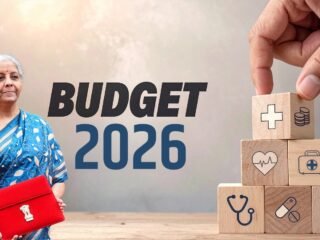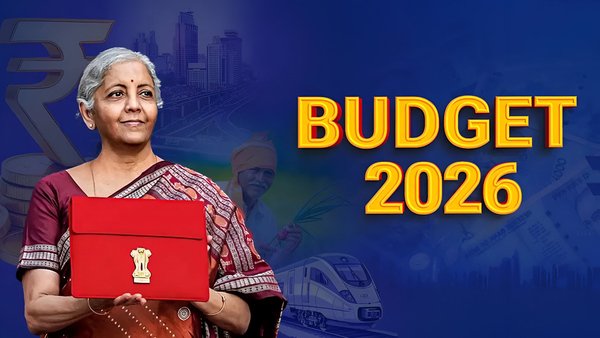
As Finance Minister Nirmala Sitharaman presents the Union Budget 2026, the healthcare sector is closely tracking the announcements, hoping for decisive reforms that can strengthen India’s health system at a time of rising disease burden and escalating costs. From government hospitals and private healthcare providers to pharmaceutical companies, diagnostics firms, and health-tech startups, the expectations from Budget 2026 are high. The sector is not just seeking higher allocations but a clear roadmap focused on prevention, affordability, innovation, and access.
Higher Public Health Spending Remains the Top Demand
A significant increase in public healthcare expenditure is the primary expectation. Industry experts continue to urge the government to move closer to spending 2.5–3 per cent of GDP on healthcare. Higher allocations are needed to upgrade government hospitals, expand primary healthcare centres, and improve district-level infrastructure, especially in rural and semi-urban areas where access remains limited.
Greater Focus on Preventive and Primary Care
With lifestyle diseases such as diabetes, hypertension, heart disease, and obesity rising sharply, the healthcare sector is seeking a stronger policy push towards preventive care. Stakeholders expect enhanced funding for early screening programmes, community health initiatives, and public awareness campaigns. Preventive healthcare is seen as the most cost-effective way to reduce hospitalisation rates and long-term treatment costs.
Strengthening Ayushman Bharat and Health Insurance Coverage
The sector is also looking for further strengthening of the Ayushman Bharat – Pradhan Mantri Jan Arogya Yojana (PM-JAY). Expectations include higher coverage limits, inclusion of more medical procedures, and faster reimbursement timelines. At the same time, experts want measures to increase health insurance penetration and provide tax relief on premiums, including coverage for OPD and preventive services, to reduce out-of-pocket expenses for families.
Tax and GST Rationalisation to Lower Costs
Healthcare providers and medical device manufacturers are seeking rationalisation of GST on medical services, equipment, and consumables. High taxes on essential healthcare inputs directly impact treatment costs for patients. The industry also expects lower import duties on critical medical devices and raw materials, along with incentives to promote domestic manufacturing.
Boosting Healthcare Infrastructure in Underserved Areas
Another key demand is targeted incentives for building hospitals, diagnostic centres, and trauma care facilities in tier-2, tier-3, and rural regions. The sector is seeking low-interest loans, viability gap funding, and tax benefits to encourage private investment in areas where healthcare access remains inadequate.
Support for Medical Research, Innovation, and Digital Health
Healthcare leaders are looking for increased budgetary support for medical research, clinical trials, and innovation, particularly in cancer, infectious diseases, rare diseases, and indigenous drug development. There is also strong demand for incentives to accelerate digital health adoption, including telemedicine, AI-based diagnostics, and strengthening the National Digital Health Mission to improve efficiency and reach.
Addressing the Healthcare Workforce Shortage
India continues to face shortages of doctors, nurses, and allied health professionals. The sector expects Budget 2026 to focus on expanding medical and nursing education, improving paramedical training, and offering incentives to retain healthcare workers in rural and remote areas.
Atmanirbhar Healthcare as a Long-Term Vision
Aligned with the Atmanirbhar Bharat agenda, the healthcare industry is seeking continued support for domestic manufacturing of pharmaceuticals, medical devices, and diagnostics. Policy stability, production-linked incentives, and export support are key expectations to position India as a global healthcare hub.
A Crucial Budget for India’s Health Future
Overall, the healthcare sector hopes Union Budget 2026 will move beyond incremental changes and deliver a long-term, patient-centric strategy. A strong focus on prevention, affordability, innovation, and access could make this budget a turning point in building a resilient and inclusive healthcare system for India.