Home Health News Obstructive Sleep Apnea Significantly Increases Risk of Sick Sinus Syndrome, Reveals New Study
Health NewsLifestyle

Obstructive Sleep Apnea Significantly Increases Risk of Sick Sinus Syndrome, Reveals New Study

Share
Sleep Disturbances
Difficulty falling asleep, frequent waking, or feelings of anxiety before bed could be linked to your heart. Your body might be alerting you to an underlying problem.
Share

New Delhi, 04 May 2025: A groundbreaking study published in the journal Nature and Science of Sleep has established a strong causal link between obstructive sleep apnea (OSA) and an increased risk of developing sick sinus syndrome (SSS), a serious cardiac arrhythmia.

The research utilized Mendelian randomization, a method that leverages genetic data to assess causal relationships, analyzing information from over a million individuals. The findings indicate that individuals with OSA have a significantly higher risk of developing SSS compared to those without OSA.

What Is Obstructive Sleep Apnea (OSA)

OSA is a prevalent sleep disorder characterized by repeated episodes of partial or complete obstruction of the upper airway during sleep, leading to disrupted sleep and intermittent hypoxia. SSS, on the other hand, is a collection of heart rhythm disorders originating from the sinus node, the heart’s natural pacemaker, resulting in symptoms like dizziness, fatigue, and fainting.

Mechanisms Linking OSA to SSS

The study suggests that the intermittent hypoxia and sleep fragmentation caused by OSA may lead to alterations in autonomic nervous system balance, inflammation, and structural changes in cardiac tissue. These changes can impair the function of the sinus node, thereby increasing the risk of SSS.

What Are The Clinical Challenges?

These findings underscore the importance of early detection and management of OSA to prevent potential cardiac complications. Healthcare providers are encouraged to screen patients with OSA for signs of cardiac arrhythmias and consider comprehensive treatment strategies that address both sleep-disordered breathing and cardiac health.

This study provides compelling evidence of the causal relationship between OSA and SSS, highlighting the need for integrated approaches in managing patients with sleep apnea to mitigate the risk of serious cardiac arrhythmias.


Share
Written by
kirti Shah

Kirti is a Senior Health Editor at Healthwire Media, specializing in health journalism and digital health communication. With over four years of experience in the healthcare media landscape, she is dedicated to transforming complex clinical data into accessible, patient-friendly information. Kirti oversees the editorial lifecycle of every article, ensuring they meet rigorous fact-checking standards and align with the latest guidelines from primary sources like the WHO and Ministry of Health. In her role, Kirti works closely with a panel of board-certified physicians and medical reviewers to ensure that every piece of content published is not only easy to understand but also medically accurate and safe for the public. She is passionate about health literacy and helping readers navigate their wellness journeys with confidence.

Leave a comment

Leave a Reply

Your email address will not be published. Required fields are marked *

Don't Miss

Latest News

Glaucoma: The ‘Silent Thief of Sight’ – Early Warning Signs You Should Never Ignore

Glaucoma is often called the “silent thief of sight” because it can damage vision slowly and quietly, often without noticeable symptoms in its...

Lifestyle & Wellness

Why Men Feel Constantly Tired: Experts Reveal the Hidden Role of Dehydration, Stress and Poor Sleep

For many men today, health challenges don’t begin with illness; they start quietly, woven into everyday routines. Long hours at a desk, crowded...

Can 150 Minutes of Exercise a Week Help You Live Longer? Scientists Weigh In
Health News

Can 150 Minutes of Exercise a Week Help You Live Longer? Scientists Weigh In

In case you have ever questioned yourself what exactly is the best amount of exercise to help you improve health and live a...

Endometriosis
Obstetrics & Gynecology

Severe Period Pain Could Signal Endometriosis: Gynecologist Warns Women Not to Ignore These Symptoms

Many women experience pain and discomfort during their menstrual cycle and often consider it a normal part of periods. However, health experts say...

ENT

Glaucoma Risk Factors: These People Are More Likely to Develop the ‘Silent Vision Thief’

Glaucoma is a serious eye condition that can gradually damage vision. It is often called the “silent vision thief” because its early symptoms...

Section title

Related Articles
Chronic Venous Insufficiency
Health News

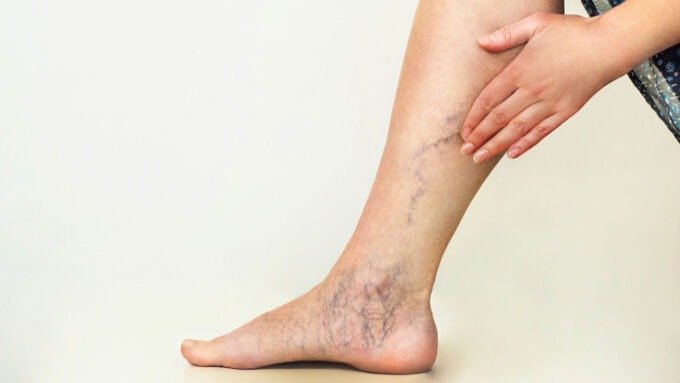
What Is Chronic Venous Insufficiency? Symptoms, Risk Factors & Best Treatments Explained

Chronic Venous Insufficiency (CVI): CVI represents a permanent medical condition which prevents...

HMPV Virus Symptoms: 7 Signs You Could Be Suffering from Human Metapneumovirus
Health News

What is HMPV? Respiratory virus with cold-like symptoms surges across US

A respiratory virus known as Human Metapneumovirus (HMPV) is drawing increased attention...

Health News

Adoptive Mothers Entitled to Full Maternity Leave: Supreme Court Strikes Down 3-Month Rule

In a landmark ruling that strengthens parental rights and workplace equality, the...

Can 150 Minutes of Exercise a Week Help You Live Longer? Scientists Weigh In
Health News

Can 150 Minutes of Exercise a Week Help You Live Longer? Scientists Weigh In

In case you have ever questioned yourself what exactly is the best...