

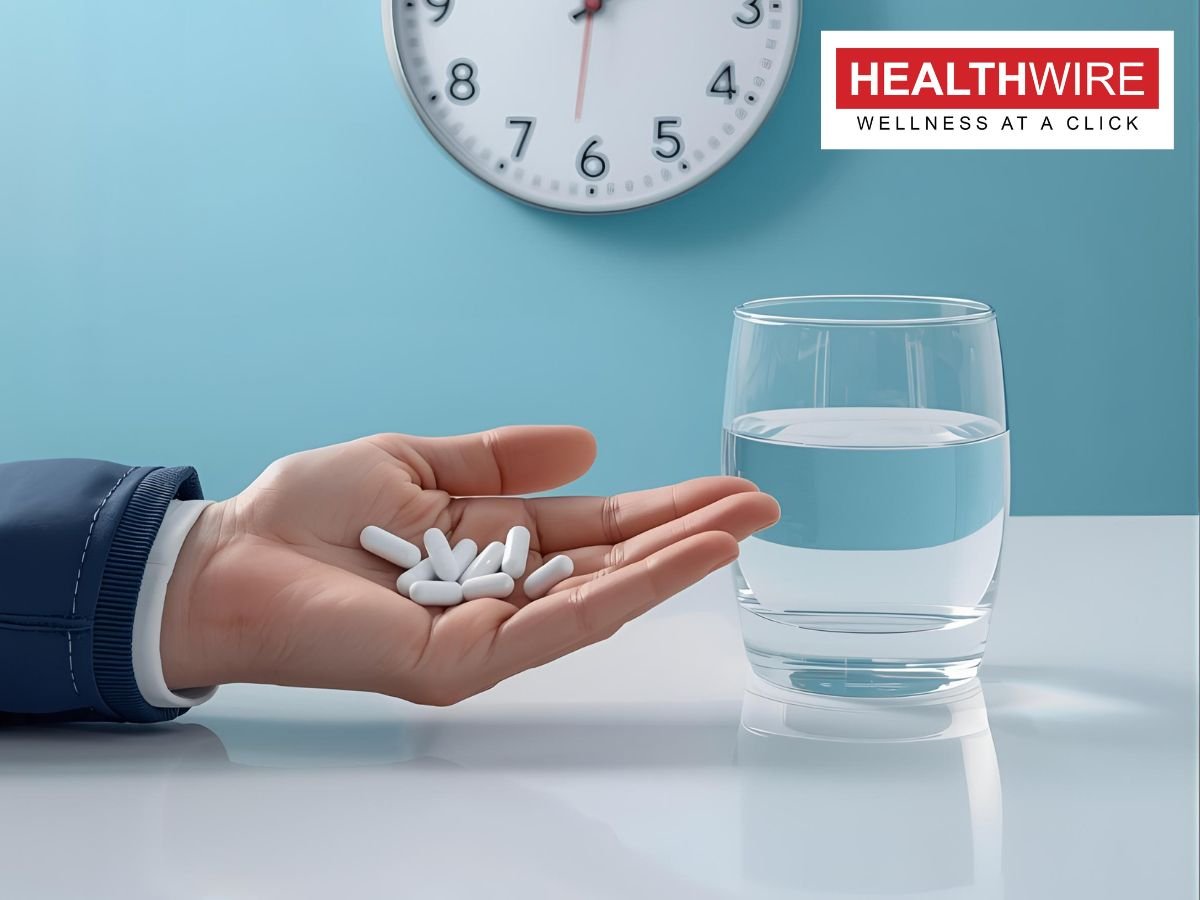
New Delhi, 01 October, 2025: Managing high blood pressure (hypertension) often requires consistent medication use. Millions of people worldwide rely on daily tablets to keep their blood pressure under control and lower the risk of stroke, heart attack, and kidney disease. But one common question patients ask is: “Should I take my blood pressure medicine on an empty stomach or after food?”
The answer isn’t the same for everyone. Different blood pressure medications act differently in the body, and whether they should be taken with meals depends on the type of drug, your digestive health, and your doctor’s advice.
Here’s a detailed guide to help you understand the best practices.
Why Timing Matters in Blood Pressure Medication
Taking medicines consistently is key to controlling hypertension. Skipping doses or changing timing without guidance can lead to dangerous fluctuations in blood pressure. But whether you take them before or after meals can affect absorption, side effects, and effectiveness.
Key factors include:
- Drug absorption: Food can sometimes slow down or reduce how much of the medicine your body absorbs.
- Side effects: Some medicines irritate the stomach if taken without food, while others may work better on an empty stomach.
- Consistency: Taking medicine the same way every day—same time, same food condition—helps maintain steady blood levels.
Types of Blood Pressure Medicines and Food Considerations
Hypertension drugs are not one-size-fits-all. Doctors prescribe different classes depending on your condition. Here’s how food can play a role:
1. ACE Inhibitors (e.g., Enalapril, Ramipril, Lisinopril)
- Empty stomach is preferred. These are usually absorbed better without food.
- Taking them after meals may reduce their absorption slightly.
- Common side effect: dry cough, occasional dizziness.
2. ARBs (Angiotensin II Receptor Blockers – e.g., Losartan, Telmisartan, Valsartan)
- Can generally be taken with or without food.
- Food does not significantly impact absorption.
- Well-tolerated with fewer stomach issues.
3. Beta Blockers (e.g., Atenolol, Metoprolol, Propranolol)
- Depends on the specific drug.
- Atenolol: Best taken on an empty stomach.
- Metoprolol: Usually recommended with meals to improve absorption and reduce side effects.
- Beta blockers can sometimes cause fatigue or slow heart rate.
4. Calcium Channel Blockers (e.g., Amlodipine, Diltiazem, Verapamil)
- Can be taken with or without food.
- Taking with meals may reduce stomach irritation in sensitive people.
5. Diuretics (e.g., Hydrochlorothiazide, Furosemide, Spironolactone)
- Usually taken in the morning with food to avoid nighttime urination.
- Taking with food can reduce stomach upset.
Risks of Taking Blood Pressure Medicines on an Empty Stomach
While some medicines work fine (and even better) on an empty stomach, there are risks if this is not what your doctor prescribed:
- Stomach irritation: Drugs like diuretics may cause nausea or acidity if taken without food.
- Fluctuating blood levels: Inconsistent absorption can reduce the drug’s effectiveness.
- Dizziness and fainting: Some antihypertensives lower blood pressure too quickly if taken on an empty stomach, especially in older adults.
General Guidelines for Patients
If you’re unsure, follow these safe practices:
- Read the prescription label: Many medicines come with clear instructions (e.g., “Take on an empty stomach” or “Take with food”).
- Empty stomach means 1 hour before or 2 hours after a meal.
- Consistency matters more than timing: Take your medicine the same way every day.
- Morning is preferred for most medications, especially diuretics, to avoid nighttime bathroom trips.
- Don’t experiment on your own: If you feel dizzy, nauseous, or have side effects, consult your doctor before changing timing.
What Doctors Recommend
Doctors often emphasize that the most important thing is taking your medicine daily, at the same time, in the same way. Missing doses is far more dangerous than whether you take them before or after a meal.
For patients with sensitive stomachs, doctors may recommend taking medicines with food—even if absorption is slightly reduced—because it improves comfort and adherence.
Patients on multiple drugs may also be advised to split doses—some in the morning, some in the evening—depending on how their blood pressure fluctuates during the day.
Lifestyle Habits Alongside Medication
Medication alone isn’t enough. To maximize benefits and potentially reduce the number of tablets you need over time, combine medicine with lifestyle changes:
- Eat a heart-healthy diet: Low salt, high fruits, vegetables, whole grains, lean protein.
- Exercise regularly: 30 minutes of walking or moderate activity most days.
- Limit alcohol and quit smoking: Both directly raise blood pressure.
- Manage stress: Yoga, meditation, or mindfulness can help regulate BP.
- Maintain healthy weight: Even small reductions in weight improve blood pressure.
Seek Medical Help When In Need
Call your doctor right away if you experience:
- Severe dizziness or fainting after taking medicine
- Swelling in the face, lips, or throat (allergic reaction)
- Irregular heartbeat or chest pain
- Extremely low blood pressure readings
These could signal an adverse reaction or wrong dosage timing.
So, is it safe to take blood pressure medicines on an empty stomach?
Yes, for some drugs (like ACE inhibitors and certain beta blockers), empty stomach is recommended. For others (like diuretics or Metoprolol), food helps reduce side effects and improve absorption.
The best approach is to follow your doctor’s instructions and stay consistent. If you’re experiencing side effects or confusion, don’t adjust your schedule on your own—discuss it with your healthcare provider.
In short, the real danger lies not in whether you take your blood pressure medicine before or after meals, but in missing doses, inconsistent routines, or ignoring medical advice. With the right balance of medication and lifestyle habits, you can control hypertension and significantly lower your risk of heart disease, stroke, and kidney failure.









Leave a comment