

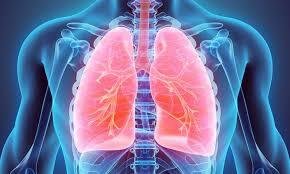
New Delhi, 02 November, 2025: Air pollution has become a growing health concern in Delhi-NCR, with smog, vehicle emissions, and industrial pollutants making the air increasingly hazardous. Prolonged exposure to polluted air can have serious consequences for lung health, affecting people of all ages. Understanding the impact of air pollution on your respiratory system and adopting protective measures is essential to maintain overall well-being.
Impact of Air Pollution on Lungs
Air pollutants such as particulate matter (PM2.5 and PM10), nitrogen dioxide, sulfur dioxide, and ozone can penetrate deep into the lungs and even enter the bloodstream. Long-term exposure can lead to chronic respiratory conditions such as asthma, bronchitis, chronic obstructive pulmonary disease (COPD), and reduced lung function. For children, the elderly, and individuals with pre-existing conditions, air pollution can trigger severe health complications and exacerbate existing illnesses.
Symptoms of lung irritation caused by air pollution may include persistent coughing, wheezing, shortness of breath, chest tightness, and fatigue. Even healthy individuals may experience temporary irritation or reduced lung efficiency after exposure to high levels of pollutants, especially during the winter months when smog levels are at their peak in Delhi-NCR.
Protective Measures to Safeguard Lung Health
- Monitor Air Quality Daily: Stay updated with air quality indexes (AQI) for Delhi-NCR. Avoid outdoor activities when pollution levels are high. Apps and online resources provide real-time AQI updates for your area.
- Use Protective Masks: Wearing N95 or N99 masks can filter out harmful particulate matter and reduce lung exposure when going outdoors, especially during peak smog periods.
- Air Purifiers at Home: Invest in a high-quality air purifier to maintain clean indoor air. Homes and offices often trap pollutants indoors, so purifiers with HEPA filters can significantly reduce respiratory risk.
- Limit Outdoor Activity: Reduce outdoor exercise or strenuous activity when air quality is poor. Morning and evening hours often have higher pollution levels in Delhi, so plan outdoor activities accordingly.
- Maintain Lung-Friendly Habits: Stay hydrated, eat a balanced diet rich in antioxidants, and avoid smoking, which further damages the lungs. Breathing exercises and yoga can also help improve lung capacity and overall respiratory health.
- Keep Windows and Doors Closed: On days with high pollution, keep windows closed to prevent outdoor pollutants from entering your home. Ensure proper ventilation when air quality improves.
Air pollution in Delhi-NCR is a persistent threat to lung health, but awareness and preventive measures can significantly reduce its impact. By monitoring air quality, using protective masks, investing in indoor air purifiers, and maintaining healthy lifestyle habits, you can safeguard your lungs and improve your overall quality of life. Protecting your respiratory system today ensures better health for years to come.













Leave a comment