


New Delhi, 11 June 2025: Delhi-NCR is currently reeling under an intense heatwave, with temperatures soaring past 45°C in several parts of the region. The relentless summer heat is not just uncomfortable but can also pose serious health risks, especially to the elderly, people with pre-existing health conditions, and even healthy individuals exposed to high temperatures for prolonged periods. Health experts warn that excessive heat can increase the risk of heart attacks and strokes, especially when the body is unable to regulate its internal temperature properly. With the IMD issuing red and orange alerts across the capital and surrounding areas, it is crucial to understand how extreme heat can impact cardiovascular health and what preventive measures one must take.
Can Heatwaves Trigger Heart Attacks? Here’s How It Happens
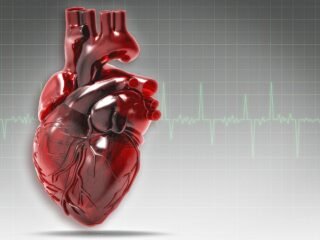
According to cardiologists, heatwaves can indeed lead to heart attacks. When the temperature outside spikes, the body attempts to cool down by sweating and pumping more blood to the skin’s surface, which puts added strain on the heart. In vulnerable individuals—especially those with high blood pressure, coronary artery disease, or heart failure—this increased demand on the cardiovascular system can trigger cardiac events. Dr. Kunal Bhansali, a senior cardiologist based in Delhi, explains that dehydration during heatwaves can cause the blood to thicken, making it more prone to clotting, which increases the chances of a heart attack. The stress of heat also elevates heart rate and blood pressure, both of which can contribute to cardiovascular emergencies.
Can High Heat Cause a Stroke? Yes, And It Can Be Deadly
Strokes, like heart attacks, are also more common during extreme weather, especially heatwaves. Heatstroke is the most obvious and severe heat-related illness, but what’s alarming is that extremely high temperatures can also increase the risk of both ischemic and hemorrhagic strokes. Dehydration, reduced blood flow to the brain, and electrolyte imbalance can lead to clot formation or even brain bleeds. Elderly individuals and those with a history of hypertension, diabetes, or atrial fibrillation are at greater risk. Dr. Priya Arora, a neurologist, says that strokes during heatwaves often go unnoticed in the early stages because the symptoms—dizziness, fatigue, disorientation—are similar to regular heat exhaustion, which can delay timely medical intervention and increase complications.
How Dehydration Impacts Your Heart and Brain
Dehydration is one of the most common effects of a heatwave, and it plays a direct role in elevating the risk of heart attacks and strokes. When the body loses too much water, the volume of blood decreases, making it harder for the heart to circulate blood efficiently. This can result in a drop in blood pressure, reduced oxygen supply to vital organs, and an overall strain on the cardiovascular system. In the brain, low fluid levels and thickened blood increase the risk of blood clots, which may lead to a stroke. Additionally, dehydration can cause electrolyte imbalance, particularly low sodium levels (hyponatremia), which affects nerve and muscle function and may lead to confusion, seizures, or even coma in extreme cases.
Who’s Most at Risk During a Heatwave? Know the Vulnerable Groups
While heat-related cardiovascular risks can affect anyone, certain populations are more susceptible. Elderly individuals, especially those over the age of 65, are at the highest risk because their bodies are less efficient at regulating temperature. People with existing heart conditions, diabetes, kidney disease, or hypertension also face a greater danger. Outdoor workers, construction labourers, delivery personnel, traffic police, and athletes practicing in the sun are also highly vulnerable due to prolonged sun exposure and physical exertion. Children and infants are at risk too, as their thermoregulation systems are still developing and they can’t always communicate when they’re overheating or dehydrated.
Recognising Warning Signs of Heat-Triggered Heart Attack and Stroke
Identifying early warning signs can be lifesaving. Symptoms of a heat-induced heart attack include chest pain, shortness of breath, nausea, cold sweats, and fatigue. In contrast, signs of a stroke may involve sudden numbness or weakness, especially on one side of the body, confusion, trouble speaking or understanding, blurred vision, and severe headache. Heatstroke symptoms—such as a body temperature above 104°F (40°C), altered mental state, dry skin, and rapid heartbeat—should also be treated as a medical emergency. Experts stress the importance of seeking medical help immediately upon noticing any such signs during a heatwave.
Preventive Tips: How To Protect Yourself From Heat-Induced Health Hazards
Experts strongly advise staying indoors during peak heat hours (12 pm to 4 pm), wearing loose and light-colored clothing, and staying hydrated throughout the day. Drinking plenty of water, fresh fruit juices, and oral rehydration solutions can help maintain electrolyte balance and prevent dehydration. Avoid caffeine, alcohol, and sugary beverages, as they can exacerbate fluid loss. It’s also advisable to reduce physical activity during extreme heat and opt for cooler environments with fans or air conditioning. People with chronic health conditions should consult their doctors about any necessary medication adjustments during the summer months, as some drugs like diuretics can increase the risk of dehydration.
The current heatwave in Delhi-NCR is not just a matter of discomfort—it’s a potential health emergency, especially for those with existing medical conditions. The impact of high temperatures on the heart and brain is scientifically proven and should not be ignored. With the mercury continuing to rise, it’s more important than ever to take protective measures and remain vigilant about symptoms that may point to a heart attack or stroke. By staying hydrated, avoiding peak sun exposure, and knowing when to seek medical attention, we can mitigate the deadly consequences of extreme heat on our health.














Leave a comment