

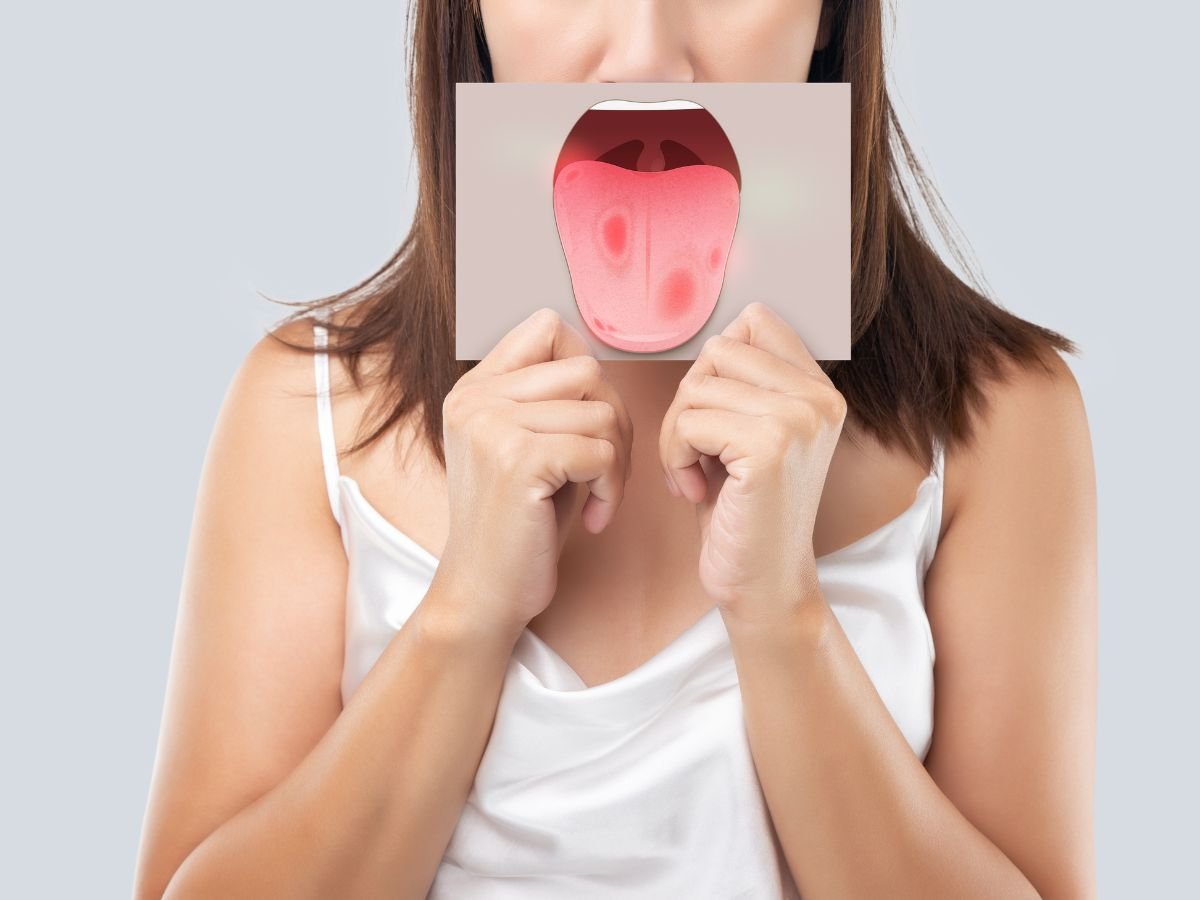
Do you find yourself puzzled or even anxious about Hairy Tongue Disorder? With its rare and often discomforting nature, it’s no surprise it raises eyebrows and sparks curiosity. Here, we enter into an in-depth discussion about this unusual occurrence and explore the root causes that lead to the emergence of hair-like appearance on the tongue.
What Is Black Hairy Tongue Disorder?
More formally known as Black Hairy Tongue, this condition generally stuns people with images of real hair sprouting from the tongue. But rest assured, the situation isn’t as hair-raising as it might seem initially. The truth is, Hairy Tongue Disorder is a temporary and usually harmless ailment that results in an alarming but illusory ‘hair growth’ on the tongue. This perceived hairiness is, in fact, an unusual growth of filiform papillae–tiny nubby structures that naturally vest the tongue’s surface. This growth turns the papillae into discoloured, elongated structures, hence giving away the illusion of hair strands.
Causes of Hairy Tongue Disorder
The culprit behind Hairy Tongue Disorder can vary from poor oral hygiene to lifestyle factors such as smoking and excessive intake of coffee or tea. Not giving proper attention to mouth cleaning can lead to bacterial buildup and debris on the tongue, resulting in elongated and discolored papillae. Certain medications, like antibiotics and bismuth-containing drugs, can throw the bacterial balance in the mouth off-kilter, leading to the abnormal growth of filiform papillae. Other contributing factors can include dehydration, mouth breathing, and chronic tongue irritation.
Diagnosis And Remedies To Treat The Condition
When it comes to diagnosing Hairy Tongue Disorder, usually a visual inspection of the tongue by a medical expert suffices. In rare cases, a biopsy might be necessary to rule out other possible triggers of this exotic growth. Treating this condition centres on handling the root causes. Basic practices like improving your oral hygiene with regular tongue cleaning and utilizing a tongue scraper can aid in controlling this condition significantly.
But for those who experience persistent or severely discomforting growth, other treatment methods might need to be considered. Options could range from using topical medications to promote shedding of the elongated papillae, or relying on therapeutic procedures like laser treatment to remove the excessive tissue growth.












Leave a comment