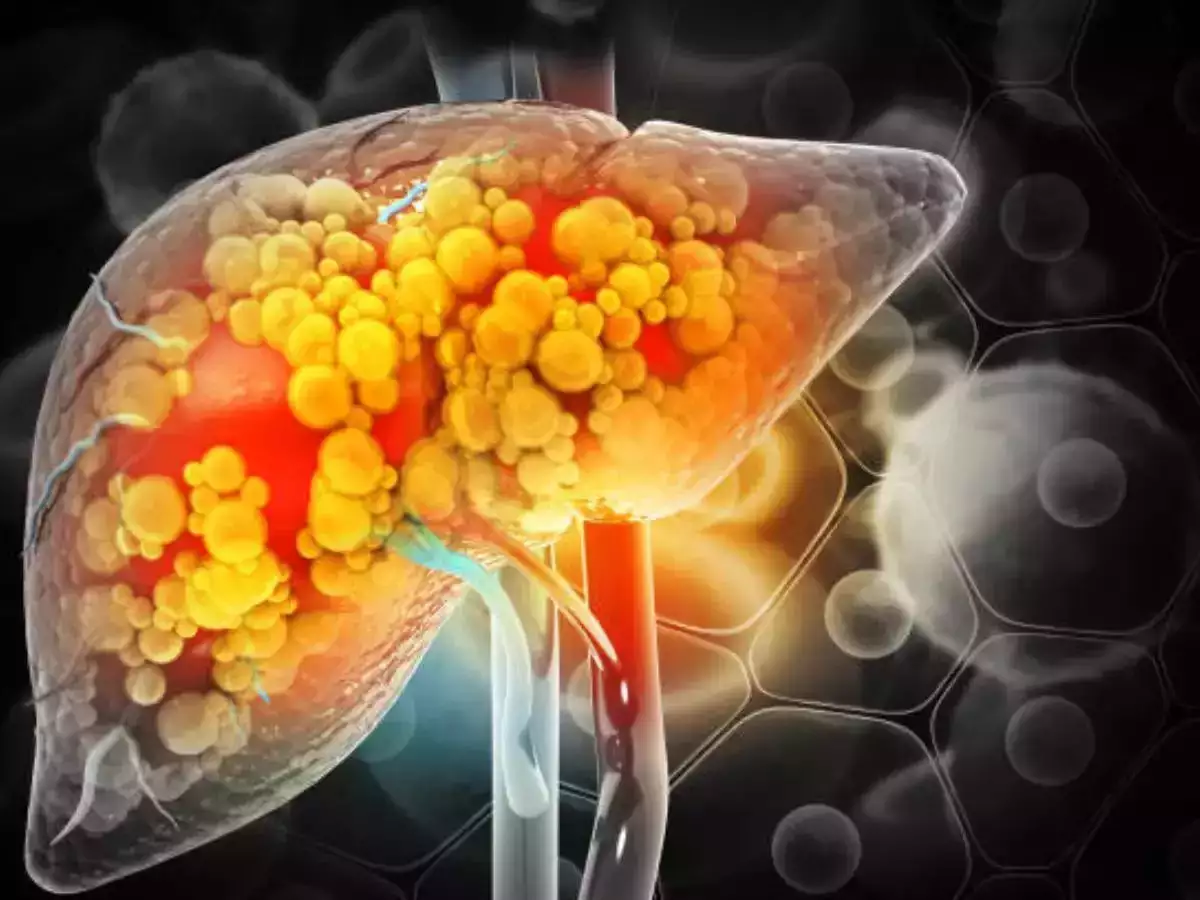
Fatty liver disease is rapidly emerging as a major public health concern in India. Once considered a problem limited to heavy alcohol consumption, the condition is now increasingly linked to poor diet, sedentary lifestyles, obesity, and diabetes. Alarmingly, many people with fatty liver disease have no obvious symptoms in the early stages, allowing the condition to progress silently.
Understanding the risks and recognizing early warning signs can help prevent serious liver damage.
What Is Fatty Liver Disease?
Fatty liver disease occurs when excess fat builds up in liver cells. There are two main types:
- Alcoholic Fatty Liver Disease (AFLD), caused by excessive alcohol intake
- Non-Alcoholic Fatty Liver Disease (NAFLD), now commonly referred to as Metabolic Associated Fatty Liver Disease (MAFLD)
In India, NAFLD is becoming increasingly common due to rising rates of obesity, insulin resistance, and metabolic syndrome—even among people who appear lean.
Why Fatty Liver Disease Is Increasing in India
India’s rapid urbanization has brought major lifestyle changes. Diets high in refined carbohydrates, sugar, and processed foods, combined with low physical activity, have significantly increased metabolic disorders.
Key contributing factors include:
- Type 2 diabetes and prediabetes
- Abdominal obesity
- High cholesterol and triglyceride levels
- Long working hours with minimal exercise
Genetic susceptibility also places many Indians at higher risk, even at lower body mass index (BMI) levels.
Early Warning Signs You Shouldn’t Ignore
Fatty liver disease often develops silently, but some early symptoms may appear as the condition progresses.
Common warning signs include:
- Persistent fatigue and low energy
- Discomfort or dull pain in the upper right abdomen
- Unexplained weight gain or difficulty losing weight
- Loss of appetite or nausea
As liver damage worsens, symptoms may include swelling in the abdomen, yellowing of the skin or eyes (jaundice), and dark urine—signs that require immediate medical attention.
How Fatty Liver Disease Is Diagnosed
Many cases are discovered during routine health checkups. Diagnosis typically involves:
- Blood tests showing elevated liver enzymes
- Ultrasound, FibroScan, or MRI imaging
- Assessment of metabolic risk factors
Early detection is crucial, as fatty liver disease can progress to non-alcoholic steatohepatitis (NASH), liver fibrosis, cirrhosis, or even liver cancer if left untreated.
Can Fatty Liver Disease Be Reversed?
The encouraging news is that fatty liver disease is often reversible, especially in its early stages. Unlike many chronic conditions, lifestyle changes can significantly improve liver health.
Effective strategies include:
- Losing 5–10% of body weight
- Adopting a balanced diet rich in vegetables, whole grains, and lean protein
- Reducing sugar, refined carbs, and fried foods
- Engaging in at least 150 minutes of physical activity per week
- Limiting or avoiding alcohol
There is currently no single medication that cures fatty liver disease, making lifestyle management the cornerstone of treatment.
Protecting Your Liver Health
With fatty liver disease affecting a growing number of Indians—including young adults—it’s vital to take liver health seriously. Regular health screenings, mindful eating, physical activity, and early medical advice can prevent long-term complications.
Your liver works silently for you every day. Paying attention to early warning signs today could protect your health for years to come.