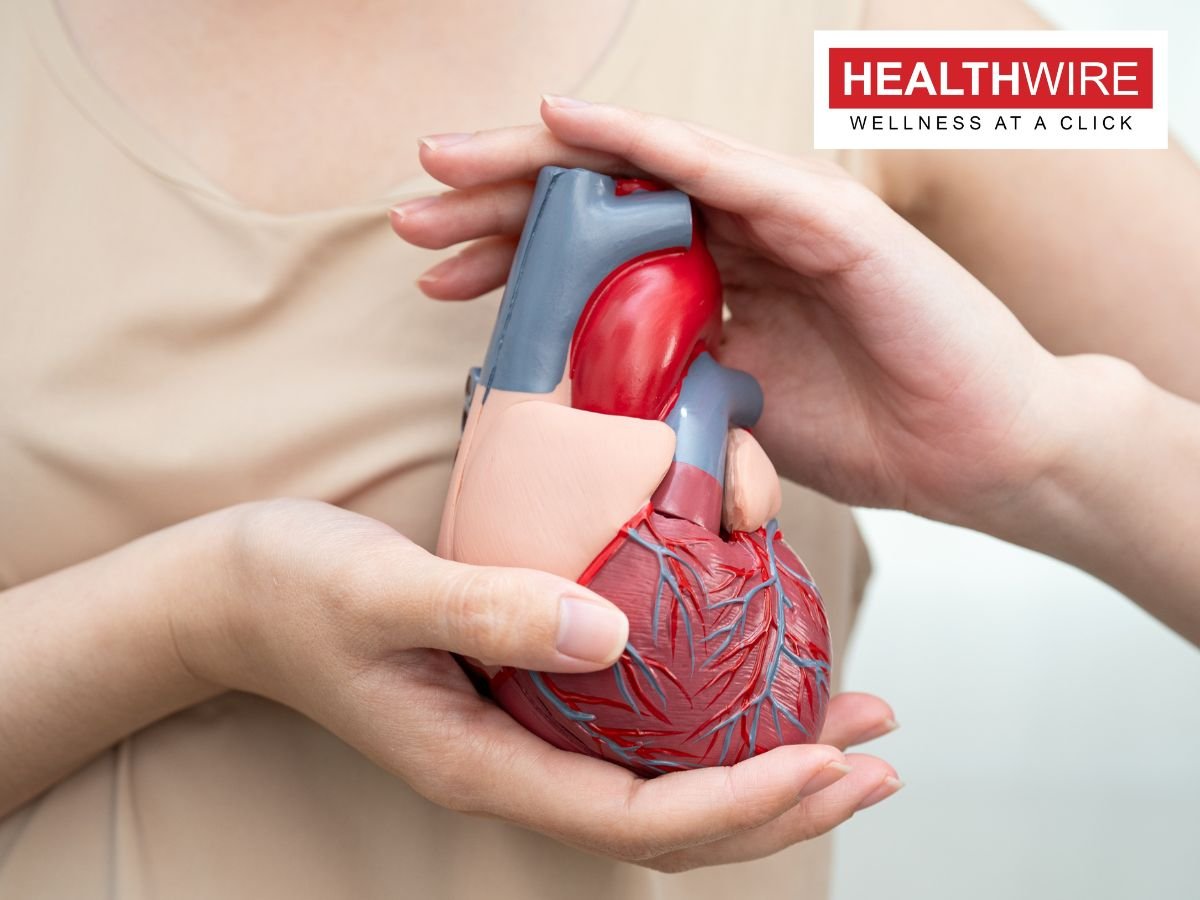
It’s easy to think of food as simply fuel — something to satisfy hunger until the next meal. But the reality is far more complex. Every bite you take has the potential to either nourish your heart or silently damage it over time. Many of our daily habits — from what we eat for breakfast to the snacks we grab between meals — can increase the risk of heart disease, often without us realizing it.
Heart disease remains one of the leading causes of death globally, yet most people are unaware of how much their everyday eating patterns contribute to this silent threat. While lifestyle factors like exercise and stress management matter, diet plays the largest role in determining long-term heart health.
This article explores how common daily food choices can affect your heart, why timing matters, and practical swaps you can make to protect your cardiovascular system — without drastically overhauling your life.
The Hidden Dangers in Daily Diet Choices
The foods we eat every day are not always harmless, even if they taste good or seem convenient. Many common dietary choices contain hidden risks that can damage the heart over time:
1. High Salt and Processed Foods
Most people consume far more salt than they realize. While a pinch of salt at the table may seem harmless, the majority of sodium comes from processed and packaged foods, fast food meals, and ready-to-eat snacks. Excess sodium raises blood pressure, which forces the heart to work harder and can damage the arteries over time. High blood pressure is one of the most significant risk factors for heart disease and stroke, and even “moderate” increases can have dangerous consequences over years.
Examples of hidden salt culprits include instant noodles, packaged soups, sauces, chips, and canned foods. Even seemingly “healthy” products like granola bars or flavored yogurt can contain high amounts of sodium.
2. Added Sugars
Sugar is another silent enemy of the heart. Consuming sugary drinks, sweets, baked goods, and other highly sweetened products contributes to “empty calories” — calories that provide energy but little nutritional value. These extra sugars can lead to weight gain and increased levels of triglycerides, a type of blood fat that, when elevated, significantly increases the risk of heart disease.
Frequent sugar spikes also trigger inflammation and insulin resistance, both of which are major contributors to plaque buildup in arteries. Over time, this can lead to atherosclerosis, heart attacks, and other cardiovascular complications.
Even foods marketed as “healthy” — such as flavored coffees, smoothies, and breakfast cereals — often contain hidden sugars that slowly accumulate and harm the heart.
3. Unhealthy Fats
While our bodies need fat, not all fats are created equal. Diets high in saturated and trans fats — found in butter, fatty meats, fried foods, pastries, and margarine — increase “bad” LDL cholesterol. Over time, this cholesterol can build up in the walls of arteries, forming plaque that restricts blood flow and forces the heart to work harder.
Trans fats, in particular, are extremely harmful, as they simultaneously raise bad cholesterol and lower protective HDL cholesterol. Even small amounts of these fats consumed regularly can significantly increase the risk of heart disease.
Replacing unhealthy fats with unsaturated fats from sources like olive oil, nuts, seeds, and fatty fish can protect the heart and reduce inflammation.
How Meal Timing Affects the Heart
It’s not just what we eat but also when we eat that matters. Modern eating patterns — skipping breakfast, eating late at night, or constantly snacking — can disrupt the body’s natural metabolic rhythms.
Skipping Breakfast
Many people skip breakfast to save time or reduce calories, but this can backfire. Skipping the first meal of the day is associated with higher levels of bad cholesterol and increased inflammation. It may also lead to overeating later in the day, creating spikes in blood sugar and fat accumulation.
Late-Night Meals
Eating heavy meals late in the evening can interfere with digestion and sleep. Poor sleep and disrupted circadian rhythms contribute to weight gain, higher blood pressure, and insulin resistance, all of which negatively impact heart health.
Frequent Snacking
Mindless snacking throughout the day, especially on processed or sugary foods, keeps blood sugar levels high and promotes oxidative stress — damage caused by free radicals in the body. This stress accelerates aging of the arteries and increases cardiovascular risk.
Plant-Based Swaps and Heart-Friendly Choices
Fortunately, protecting the heart doesn’t require drastic changes. Small, consistent adjustments to daily meals can have a major impact. One of the most effective strategies is to incorporate more plant-based foods into your diet and replace some animal proteins with healthier alternatives.
- Fruits and vegetables: High in fiber, antioxidants, and essential vitamins, these foods help reduce inflammation, lower blood pressure, and improve cholesterol levels.
- Whole grains: Foods like oats, brown rice, quinoa, and whole wheat contain soluble fiber that helps reduce cholesterol and stabilize blood sugar.
- Nuts and seeds: A rich source of healthy fats and protein, they improve lipid profiles and reduce heart disease risk.
- Legumes: Beans, lentils, and chickpeas provide plant protein and fiber without the harmful fats found in red meat.
Even swapping a portion of red meat or processed meat with plant-based protein can significantly lower the risk of coronary heart disease over time.
Daily Meal Guide for Heart Health
Here’s a simple breakdown of how everyday meals can be adjusted to support heart health:
- Breakfast: Opt for oatmeal with fruits, whole-grain toast with avocado, or a smoothie with greens and nuts. Avoid sugary cereals, pastries, and sweetened coffee drinks.
- Mid-Morning Snack: Choose fresh fruit, a handful of nuts, or yogurt instead of packaged chips or cookies.
- Lunch: Fill half your plate with vegetables, include a lean protein like chicken, fish, or legumes, and choose whole grains. Avoid fried foods and creamy sauces.
- Afternoon Snack/Tea: Replace fried snacks with roasted chickpeas, a small fruit, or a green tea with nuts.
- Dinner: Keep it light and balanced — steamed or roasted vegetables, grilled proteins, and small portions of healthy grains. Avoid eating large meals late at night.
By following this type of approach consistently, you can reduce hidden heart risks significantly.
Other Lifestyle Factors That Amplify Diet Risks
Diet alone isn’t the only factor affecting heart health. Several lifestyle habits interact with what we eat to either protect or harm the heart:
- Physical activity: Regular movement helps maintain healthy blood pressure, cholesterol, and body weight.
- Stress management: Chronic stress raises cortisol, which can increase appetite for unhealthy foods and raise blood pressure.
- Sleep quality: Poor sleep amplifies the effects of unhealthy eating on blood sugar and cardiovascular risk.
By combining heart-friendly eating with these habits, the benefits multiply.
Small Steps, Big Heart Benefits
The good news is that you don’t need to overhaul your life overnight. Heart health is built through consistent, small changes in everyday habits. Even reducing one sugary drink a day, swapping fried snacks for nuts, or adding one extra serving of vegetables can make a measurable difference over months and years.
The key is awareness — understanding that the choices we make from morning to night impact our heart silently. Once you start connecting what you eat with how your heart functions, it becomes easier to make choices that protect your health without feeling deprived.
Conclusion
Your heart works tirelessly to keep you alive, but many of our everyday eating habits unknowingly place a strain on it. From high-salt breakfasts and sugary snacks to heavy late-night meals, these choices can silently damage arteries, increase cholesterol, and elevate blood pressure.
The good news is that heart-friendly eating doesn’t have to be complicated. By making small, consistent changes — focusing on whole, minimally processed foods, incorporating more plants, and paying attention to meal timing — you can protect your heart for years to come.
Remember, every bite counts. The food you eat today will either nourish your heart or silently harm it over time. Make each bite a step toward a stronger, healthier heart.