

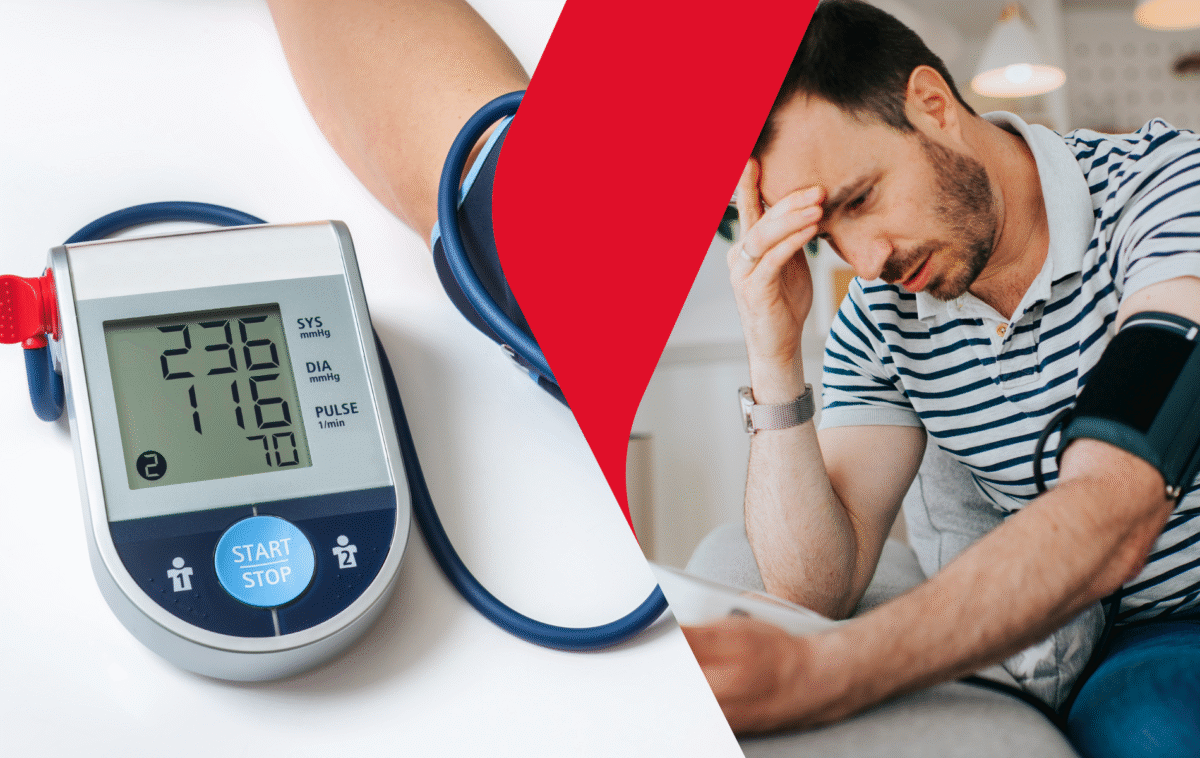
Hypertension, or what we commonly know as high blood pressure, refers to a condition in which the body’s blood pressure remains higher than normal. A systolic blood pressure (the top number) consistently recorded above 140, combined with a diastolic blood pressure (the bottom number) of above 90, is clinically defined as hypertension. In its early stages, hypertension doesn’t cause symptoms at all; however, there are internal damages to various target organs of the body (the heart, kidneys, brain, and blood vessels). Therefore, doctors also term high blood pressure as a silent killer.
Cause of Hypertension or High Blood Pressure?
Dr. Pavankumar P Rasalkar, Consultant – Interventional Cardiology, Manipal Hospital Kanakapura Road explains: “There are various causes for hypertension, such as renal artery stenosis, thyroid disorders, abnormal cortisol levels and other hormones, obstructive sleep apnoea, and rare tumours like pheochromocytomas that release blood-pressure-raising chemicals into the bloodstream. When hypertension develops in younger individuals, below the age of 40, it is often due to secondary hypertension, wherein the causes need to be ruled out for an appropriate management. In many patients, however, no specific trigger is found, and genetics, sedentary habits, high salt intake, smoking, and alcohol consumption quietly combine to elevate blood pressure levels over time.”
Hypertenion Management and Prevention
Because hypertension rarely announces itself, regular monitoring is the single most important management strategy. Adults should have their blood pressure checked at least once a year. When it is identified early, lifestyle changes alone can be remarkably effective. Consistent exercise, a low-sodium diet, healthy body weight, and avoiding bad habits like smoking and excessive alcohol can suffice to control mildly elevated blood pressure levels.
There are specific conditions wherein the BP becomes so high that even multiple tablets can’t control it – this is called resistant hypertension. These patients require higher-dose second-line tablets to control the disease. Despite these measures, if we are unable to control the levels, advanced methodologies can be adopted as the next step in management. Renal sympathetic denervation is a minimally invasive, catheter-based procedure similar to an angiogram wherein the BP-controlling nerves in the kidneys are ablated with radio frequency ablation.
Disclaimer: The information provided in this article by Healthwire Media is for general informational and educational purposes only. It is not intended to replace professional medical advice, diagnosis, or treatment. While we strive to provide accurate and up-to-date information based on trusted sources such as WHO, Mayo Clinic, and government health guidelines, medical information can change over time. Always consult a qualified doctor or healthcare professional before making any health-related decisions, especially if you have any existing medical conditions or concerns. Do not ignore or delay seeking medical advice based on information you have read on this website. For more details, please read our full Medical Disclaimer page.














Leave a comment