

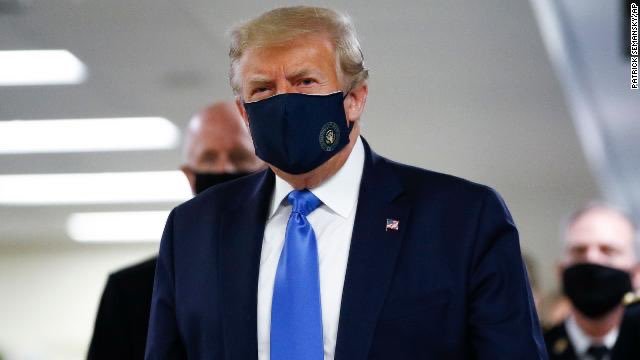
New Delhi, 01 September 2025: The health of any world leader often becomes a subject of great attention, speculation, and concern. When questions arise about their medical condition, it naturally sparks curiosity among the public and media alike. Recently, discussions have intensified regarding the health of one such prominent leader. From fatigue to potential underlying medical issues, several aspects of their well-being have been analyzed, raising debates on how personal health can influence leadership and decision-making on a global scale.
In this article, we take a closer look at what is known, what remains uncertain, and why health transparency is crucial when it comes to global figures who hold immense responsibility.
Why The Leader’s Health Matters So Much
For ordinary individuals, health issues are private matters. However, for global figures, the stakes are much higher. Their ability to lead, make decisions, and represent their nation on the world stage can directly impact millions of lives. This is why even the slightest sign of illness or fatigue quickly becomes a headline.
Public health disclosures, medical reports, and official updates are often scrutinized, and sometimes, the lack of transparency creates even more speculation. While everyone deserves privacy regarding their personal health, leaders face the unique challenge of balancing that privacy with the public’s right to know.
What Sparked The Health Concerns?
Speculation surrounding the leader’s health began after a series of public appearances where visible signs of discomfort, fatigue, and reduced energy levels were noticed. These observations, whether minor or significant, fueled discussions on whether they might be dealing with a chronic illness or a temporary setback.
Some reports highlighted episodes of coughing, shortness of breath, or moments of weakness during speeches. Others pointed toward changes in physical appearance that suggested stress or an underlying health condition. Though none of these automatically indicate severe illness, they became the center of public debate.
Possible Illnesses Under Discussion
While no official confirmation has been provided regarding a specific medical condition, experts have pointed out that symptoms like persistent fatigue, difficulty in maintaining stamina, or shortness of breath can sometimes be linked to cardiovascular concerns, respiratory issues, or metabolic disorders.
Stress-related health problems also remain a strong possibility. The pressure of continuous decision-making, long working hours, and international responsibilities can have a significant toll on both mental and physical health. In fact, stress is often underestimated as a trigger for chronic illnesses such as hypertension, cardiac problems, and even neurological decline.
The Role Of Lifestyle In Leadership Health
World leaders often operate on tight schedules, filled with travel, late-night meetings, and high-stress decision-making. This lifestyle leaves little room for adequate rest, balanced nutrition, or regular exercise—all critical components for maintaining good health.
Sleep deprivation, irregular eating habits, and long-term stress can weaken immunity and contribute to chronic conditions. Moreover, exposure to continuous political and social pressures only compounds the strain. For this reason, it is not surprising that many global leaders over the years have faced health challenges during their tenure.
Transparency Versus Privacy
One of the biggest debates surrounding the health of world leaders is the balance between public transparency and personal privacy. On one hand, citizens have a right to know if their leader is physically and mentally fit to serve. On the other hand, medical conditions are deeply personal and can often be exaggerated by speculation.
When health updates are not provided or remain vague, it can lead to rumors that spread rapidly across social and digital platforms. This not only adds unnecessary pressure to the leader but also raises concerns about whether the nation is being kept in the dark regarding leadership stability.
Historical Context: Leaders and Health Issues
History shows that health has always played an important role in leadership. Several global leaders in the past continued to lead nations despite battling chronic illnesses, while others had to step down or reduce their responsibilities due to deteriorating health.
These examples underline the importance of health transparency—not to undermine the leader’s abilities, but to ensure stability and preparedness in governance. Citizens generally feel more reassured when official statements clarify the situation rather than leaving space for assumptions.
Why Rumors Spread So Quickly
In today’s digital age, even the smallest detail—such as a leader coughing during a speech—can go viral within minutes. Social media platforms amplify such observations, often without context, leading to a flurry of speculation.
The lack of clear communication from official sources only worsens the situation. When silence is maintained, the public fills the gaps with assumptions, conspiracy theories, and exaggerated claims, which may or may not be true.
Health As A Reflection Of Responsibility
At its core, the health of a leader is more than a personal matter—it is tied to governance, diplomacy, and national stability. A fit and energetic leader reassures citizens and strengthens international relationships. Conversely, when visible health issues arise, it can create doubts about a nation’s leadership stability, even if those doubts are not grounded in reality.
This is why regular medical check-ups, transparent health updates, and visible efforts to maintain fitness are often highlighted in media coverage of global leaders. Such updates serve not only to calm speculation but also to demonstrate responsibility toward the citizens who place their trust in leadership.












Leave a comment