

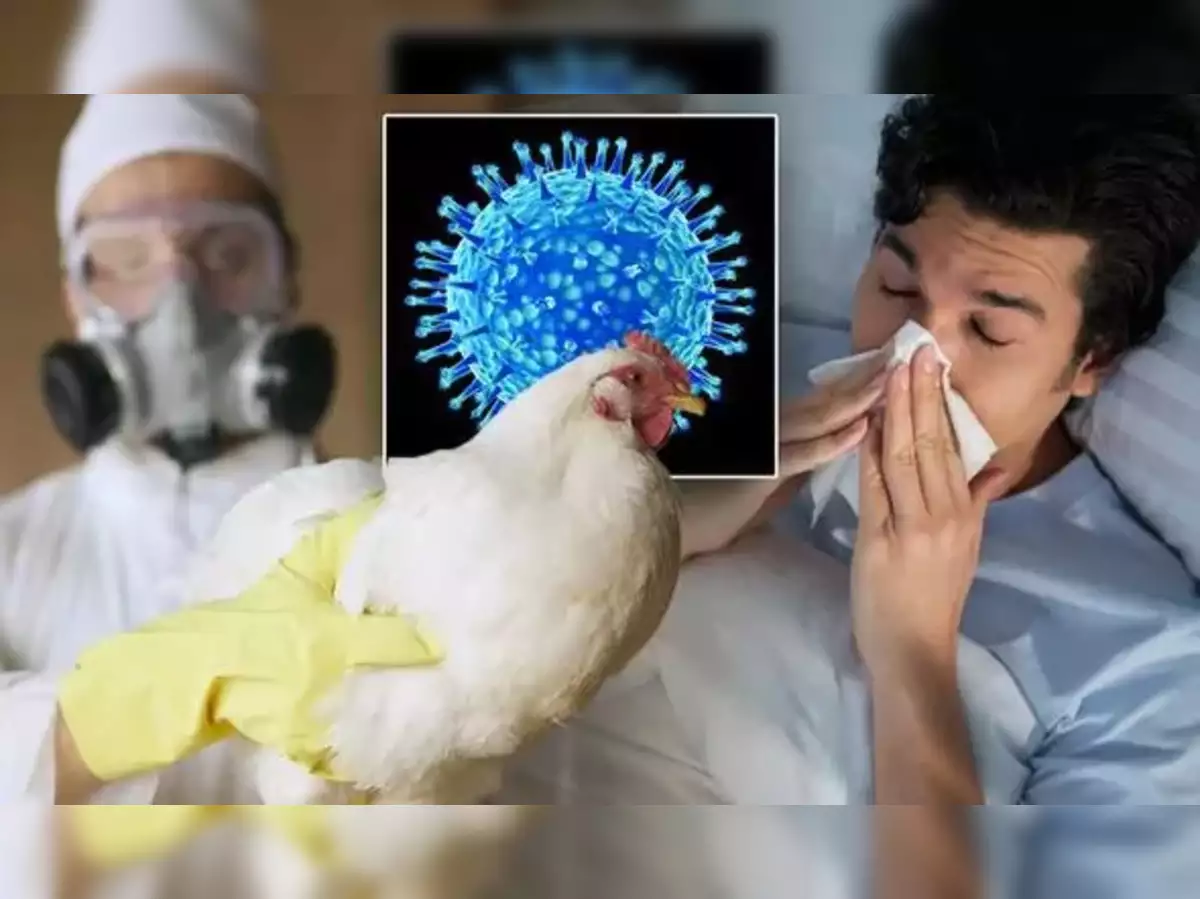
New Delhi, September 11: In a significant development that has raised global health concerns. The first confirmed case of avian influenza (bird flu) in a human with no known exposure to infected poultry or other animals has been reported. This unprecedented occurrence has prompted renewed attention to the potential for bird flu viruses to adapt and spread more easily among humans.
Understanding Bird Flu and Its Transmission
Avian influenza, or bird flu, is a respiratory disease that primarily affects birds. While most strains of bird flu do not pose a significant threat to humans. Some can cause severe illness and even death. In the past, human infections have typically occurred through direct contact with infected poultry or contaminated environments. However, the recent case marks a departure from this pattern, suggesting that the virus may be evolving in ways that increase its transmissibility among humans.
Symptoms of Bird Flu in Humans
The symptoms of bird flu in humans can vary widely but often include:
1. Fever
2. Cough
3. Sore throat
4. Muscle aches
5. Fatigue
6. Diarrhea
7. Vomiting
8. Shortness of breath
9. Pneumonia
It is important to note that these symptoms can be similar to those of other respiratory illnesses, such as the common cold or influenza. Therefore, it is essential to seek medical attention promptly if you experience any of these symptoms, especially if you have recently traveled to areas where bird flu is prevalent.
Prevention Tips
While the risk of human-to-human transmission of bird flu remains low, it is important to take precautions to protect yourself and others. Here are some prevention tips:
Avoid contact with sick birds: Do not handle or touch sick or dead birds.
Maintain proper hygiene: Wash your hands frequently with soap and water, especially after touching birds or poultry.
Cook poultry thoroughly: Ensure that poultry is cooked to a safe internal temperature to kill any harmful bacteria or viruses.
Avoid contact with contaminated surfaces: Be cautious about touching surfaces that may have been contaminated with bird flu, such as poultry markets or farms.
Stay informed: Keep up-to-date with the latest information about bird flu outbreaks and follow the recommendations of health authorities.
Get vaccinated: While there is currently no specific vaccine available for bird flu in humans, it is important to stay up-to-date on influenza vaccinations, as these can provide some protection against respiratory viruses.
The detection of a human case of bird flu without known animal exposure has significant implications for global health. It raises concerns about the potential for the virus to adapt and spread more easily among humans, which could lead to a pandemic. Health organizations around the world are closely monitoring the situation and working to develop strategies to prevent and control the spread of bird flu.
Read Also – Reducing stigma, encouraging open conversations to prevent suicides: WHO on World Suicide Prevention Day
The first confirmed case of bird flu in a human with no known animal exposure is a cause for concern. While the risk of human-to-human transmission remains low, it is important to take precautions to protect oneself and others. By following the prevention tips outlined above and staying informed about the latest developments, we can help to minimize the impact of bird flu on public health.














Leave a comment