Fasted cardio is performed when your body is in a fasted state. Being in a fasted state means your body has already used the calories from your previous meal and is relying on stored calories for energy. Basically, it means doing cardio on an empty stomach.
This would normally happen first thing in the morning, after sleeping overnight. But it can also happen later in the day if you practice intermittent fasting.
Compared to cardio without the fasting aspect, fasted cardio is touted as a way to accelerate fat loss. While that may sound great, its effectiveness hasn’t been fully proven. Let’s dive deeper.
Benefits of Fasting On An Empty Stomach
The idea behind fasted cardio is that if you fast overnight and work out first thing in the morning, your body is depleted of glucose — its main source of energy — and will instead use stored fat for fuel. Research is mixed on the effectiveness of this approach. One review found that fasted exercise led to higher rates of fat oxidation during low-to-moderate intensity workouts. However, the difference in fat oxidation between fasted and fed states decreased in more intense exercises. Additionally, this review mainly consisted of moderately-trained males. While more research is needed to make more concrete claims, fasted cardio has some other potential benefits:

1. Increased Fat Burning
When you work out on an empty stomach, your body has lower glycogen (stored carbohydrate) levels. This encourages your body to use stored fat as fuel, potentially increasing fat oxidation during the workout.
2. Improved Insulin Sensitivity
Fasted cardio may help improve insulin sensitivity, which supports better blood sugar control and metabolic health over time.
3. Enhanced Hormonal Response
Exercising in a fasted state can increase levels of growth hormone and norepinephrine, both of which help mobilize fat for energy.
4. Potential Weight Loss Support
Because of increased fat utilization, fasted cardio may assist in overall fat loss when combined with a proper calorie-controlled diet.
5. Convenience and Time Efficiency
Skipping a pre-workout meal can make morning workouts quicker and easier to fit into a busy schedule.
6. Improved Metabolic Flexibility
Training without food may help your body become more efficient at switching between carbs and fat as fuel sources.
7. Appetite Regulation for Some People
Some individuals report reduced hunger or better appetite control after fasted workouts.
8. Risk of Muscle Breakdown
Without available nutrients, the body may break down small amounts of muscle protein for energy, especially during long or intense sessions.
9. Reduced Performance in High-Intensity Workouts
You may feel less energetic during high-intensity or long-duration cardio due to lower glycogen levels.
10. Not Suitable for Everyone
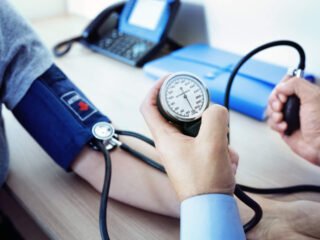
People with diabetes, low blood pressure, or those prone to dizziness should consult a healthcare professional before trying fasted cardio.
Bottom line: Fasted cardio can increase fat burning, but total daily calories and consistency matter more for long-term fat loss than whether you eat before your workout.

A Potential Downside of Fasted Cardio
While there is some evidence in support of fasted cardio accelerating fat burning, there is some conflicting evidence that indicates not eating before a workout can increase cortisol and inflammation, both of which can impede fat loss and compromise health.
“One issue that can happen is that the body starts to turn to a process called gluconeogenesis, breaking down protein for fuel in the absence of eating prior to working out,” said Naidoo.
A 2015 study found that exercise following an overnight fast was more effective at reducing body fat compared to non-fasted exercise, but participants who fasted before exercise experienced increased cortisol levels that could negatively impact long-term weight loss.
According to Hunnes, exercise in and of itself can be stressful to the body, independent of your fueling status.
“[Exercise] can temporarily lead to increased cortisol (if it’s high-intensity exercise), and stress on the muscles, but these are good and positive stressors that dissipate quickly after the workout and actually benefit health significantly,” said Hunnes.
While it’s plausible that exercise in and of itself is enough to spike the body’s cortisol levels, Roper noted that the research on fasted cardio’s ability to do the same is not clear.
That said, a lack of consistency in the research doesn’t mean there aren’t things to be cautious about in terms of fasted cardio stressing the body, said Roper.
Disclaimer: Choosing whether you should eat before a workout can be an individual decision but it also may be a medical decision, in certain cases.