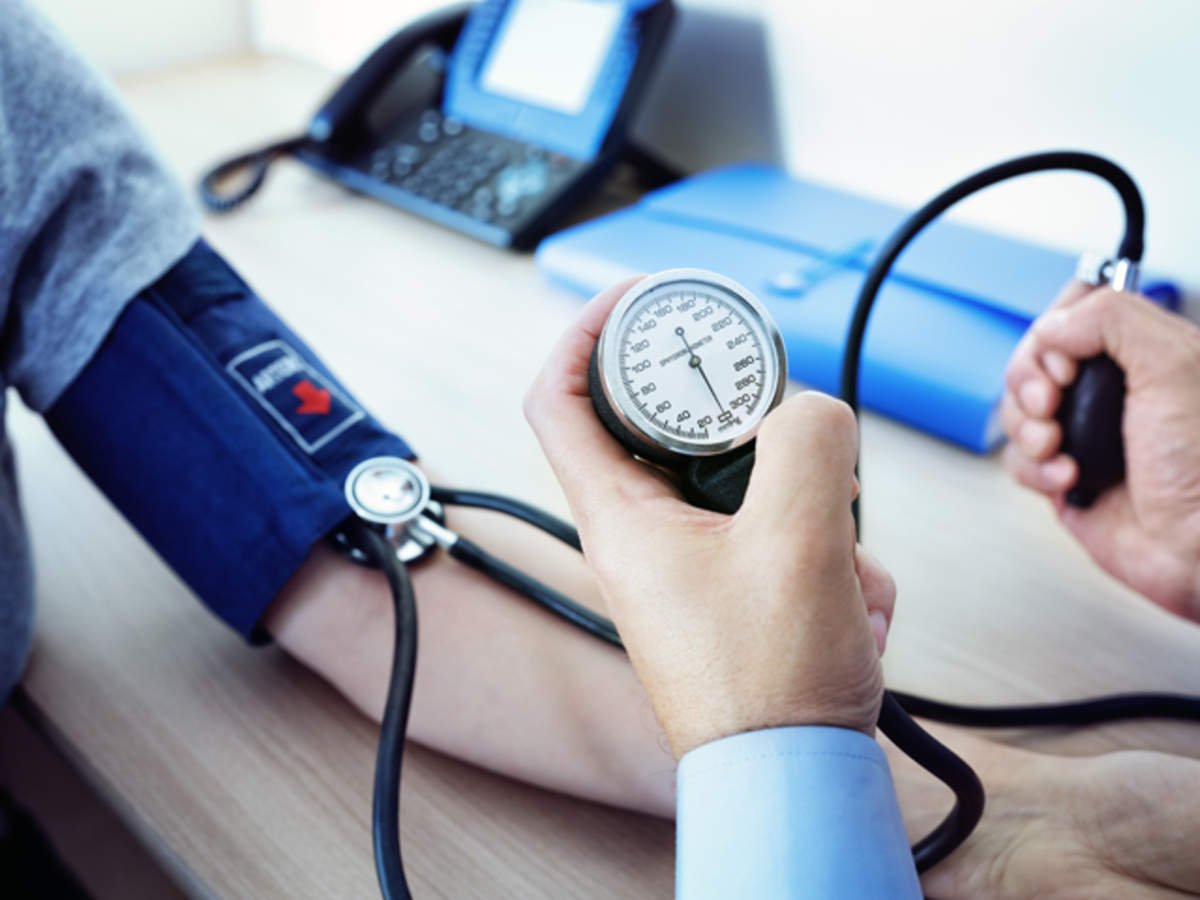
High Blood Pressure Management: Blood pressure is the force at which blood pumps from the heart into the arteries. When blood pressure is high, the blood moves through the arteries more forcefully. This increases pressure on the delicate tissues in the arteries and damages the blood vessels. The American Heart Association (AHA) defines a blood pressure reading of less than 120/80 millimeters of mercury (mm Hg)Trusted Source as normal. While medications can help lower high blood pressure, various changes you can make at home can also reduce it.
How To Lower High Blood Pressure (Hypertension) Naturally
Follow these effective tips to manage hypertension, or high blood pressure levels naturally:
1. Start an exercise routine
Staying active is an important part of living well. Along with helping lower blood pressure, regular physical activity benefits your mood, strength, and balance. It also decreases your risk of diabetes and certain types of heart disease. If you have been inactive for a while, talk with a doctor about a safe exercise routine. Start out slowly, then gradually pick up the pace and frequency of your workouts.
2. Follow the DASH diet
Following the Dietary Approaches to Stop Hypertension (DASH) diet can lower your systolic blood pressure by as much as 11 mm HgTrusted Source. The DASH diet consists of:
Eating fruits, vegetables, and whole grains as often as possible
Eating low fat dairy products, lean meats, fish, and nuts when possible (and affordable)
Limiting foods that are high in saturated fats, such as processed foods, high fat dairy products, and fatty meats
It also helps to cut back on desserts and sweetened beverages, such as soda and juice. Making even slight adjustments to your diet can be beneficial.
3. Maintain a moderate weight
Weight and blood pressure go hand in hand. For people with overweight or obesity, losing even just 10 poundsTrusted Source can help lower blood pressure levels. In addition to reaching and maintaining a moderate weight, keeping tabs on your waistline is also critical for managing blood pressure. The extra fat around your waist, called visceral fat, may adversely affectTrusted Source heart health and could lead to serious health problems in the long run, including high blood pressure.
Generally, males should keep their waist measurement to less than 40 inches (in)Trusted Source, while females should aim for less than 35 in. Keep in mind that losing weight safely and maintaining the loss isn’t easy. Consider talking with a doctor or another healthcare professional about the best ways for you to maintain a moderate weight.
4. Reduce salt and sodium in your diet
Even a little less sodium in the diet can improve heart health and blood pressure. Sodium’s effect on blood pressure varies among groups of people. In general, limit sodium to 2,300 mg a day or less. But for most adults, it’s ideal to limit sodium to 1,500 mg a day or less. Doing that may lower high blood pressure by about 5 to 6 mm Hg.
5. Limit alcohol
Limiting alcohol to less than one drink a day for women or two drinks a day for men can help lower blood pressure by about 4 mm Hg. One drink equals 12 fluid ounces of beer, 5 ounces of wine or 1.5 ounces of 80-proof liquor. But drinking too much alcohol can raise blood pressure by many points. It also can make blood pressure medicines less effective.
High blood pressure is a serious condition that can cause long lasting damage to the heart and blood vessels over time. Several home remedies can help you manage high blood pressure, including reducing your sodium intake, staying active, decreasing stress levels, and limiting your alcohol intake. If you have received a diagnosis of high blood pressure, be sure to work with a healthcare professional to develop a treatment plan based on your needs.