

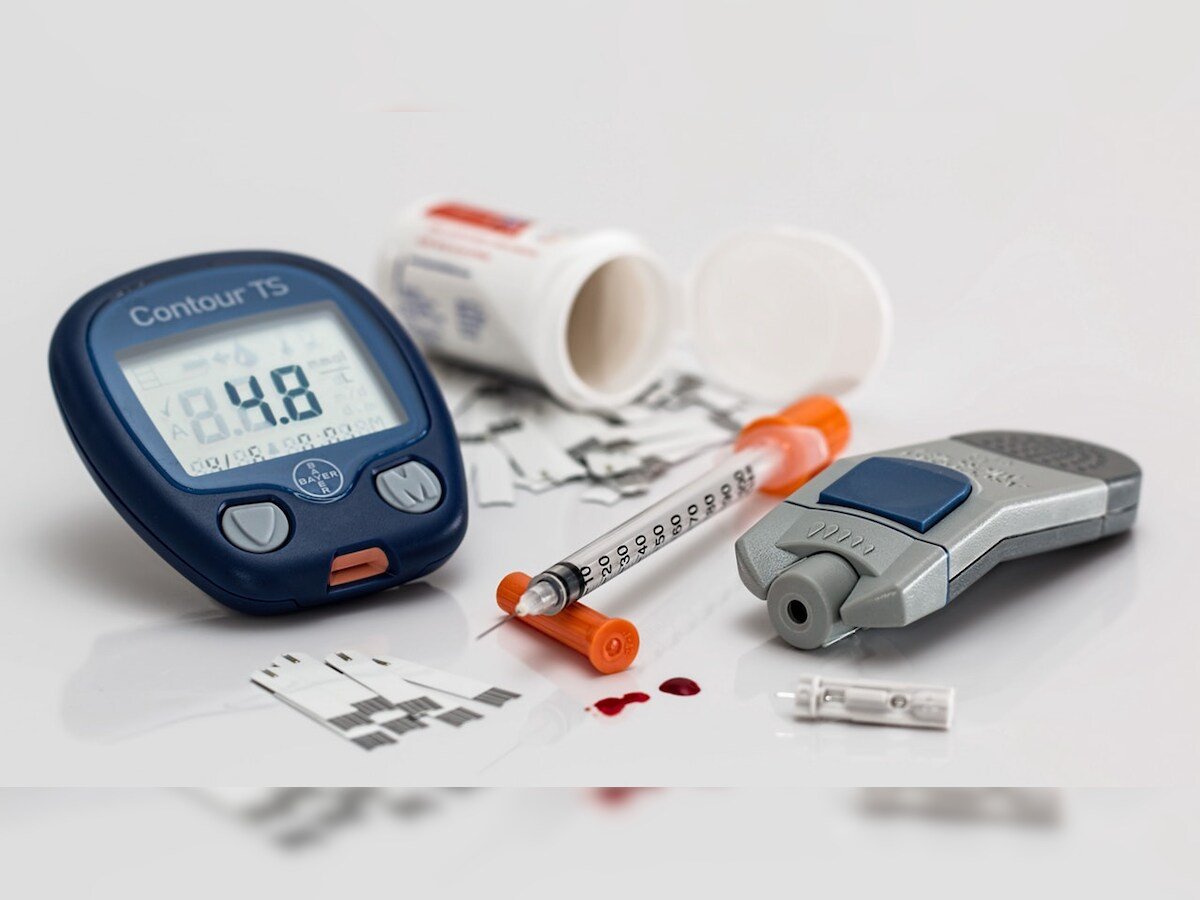
New Delhi, 06 December 2024: Diabetes has emerged as one of the most pressing health concerns in India, with recent studies indicating that nearly half of the population exhibits abnormal blood glucose levels. This alarming trend is a stark reminder of the growing prevalence of prediabetes and diabetes across the country. The shift in lifestyle patterns, combined with genetic predisposition, has significantly contributed to this health crisis, positioning India as a global hotspot for high blood sugar.
The term “abnormal blood glucose levels” encompasses both hyperglycemia (high blood sugar) and hypoglycemia (low blood sugar), as well as intermediate conditions such as prediabetes. While prediabetes is reversible, it often progresses to type 2 diabetes if left unchecked. Reports suggest that a significant percentage of Indians remain undiagnosed, with prediabetes quietly advancing to full-blown high blood sugar. This silent progression makes high blood sugar a formidable public health challenge, requiring immediate attention and action.
Urbanization and modern lifestyles are major drivers of this epidemic. The increasing consumption of processed foods, high in sugar and unhealthy fats, has led to widespread nutritional imbalance. At the same time, sedentary lifestyles, characterized by long hours of desk work and minimal physical activity, have exacerbated insulin resistance among large sections of the population. Compounding this issue is the high stress associated with fast-paced living, which directly impacts hormonal balance and glucose metabolism.
Another critical factor is genetic susceptibility. Indians are inherently more prone to developing type 2 diabetes due to their genetic makeup, which predisposes them to insulin resistance even at a lower body mass index (BMI). This predisposition, when combined with environmental triggers such as poor dietary habits and lack of exercise, creates a perfect storm for high blood sugar development. The rising prevalence of obesity, particularly among children and young adults, further adds to the burden, as obesity is a leading risk factor for diabetes.
The consequences of this trend are dire. Diabetes is a gateway to a range of severe complications, including cardiovascular disease, kidney failure, nerve damage, and vision impairment. The economic burden is equally staggering, with the cost of managing high blood sugar and its complications straining both individual households and the healthcare system. This is particularly challenging in rural areas, where access to healthcare facilities and diagnostic tools remains limited.
Despite these challenges, there is hope. Increased awareness about high blood sugar prevention and management can make a significant difference. Regular screening for blood glucose levels, especially in high-risk groups, is crucial for early detection and intervention. Lifestyle modifications, such as adopting a balanced diet, engaging in regular physical activity, and managing stress, can effectively prevent or delay the onset of diabetes. Government-led initiatives, such as the National Program for Prevention and Control of Cancer, Diabetes, Cardiovascular Diseases, and Stroke (NPCDCS), are also playing a vital role in addressing this epidemic.
India’s high blood sugar crisis is a wake-up call for individuals, healthcare professionals, and policymakers alike. While the statistics are concerning, they also present an opportunity to take decisive action. By fostering a culture of health awareness and prioritizing preventive measures, India can mitigate the impact of diabetes and work toward a healthier future for its population.















Leave a comment