


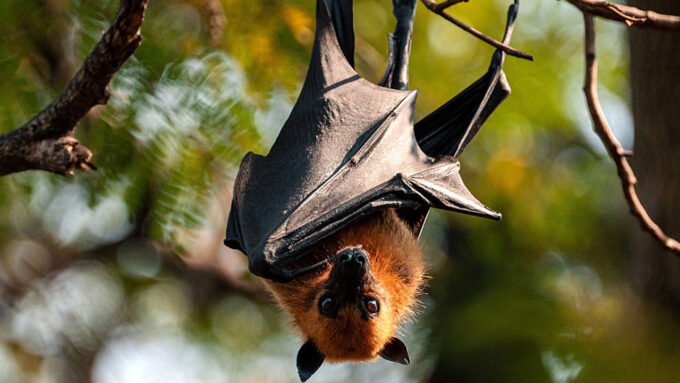
India is witnessing a renewed health concern with fresh cases of the Nipah virus (NiV), a deadly infection that has triggered alarm among health authorities. First identified in Malaysia in 1998, Nipah is a zoonotic virus, meaning it spreads from animals—primarily fruit bats—to humans. It is highly contagious, and human-to-human transmission has been documented in several outbreaks.
NIPAH VIRUS: FATALITY RATE AND SYMPTOMS
One of the reasons Nipah is so dangerous is its high fatality rate, which ranges from 40% to 75%, depending on the outbreak and access to medical care. The virus can cause severe encephalitis (brain inflammation), respiratory distress, fever, headache, and vomiting. In severe cases, it can lead to seizures, coma, and death within days of symptom onset. Survivors often face long-term neurological complications.
WHY THERE IS STILL NO VACCINE FOR THE VIRUS YET?
Despite decades of research, there is currently no approved vaccine or specific antiviral treatment for Nipah. Scientists are working on experimental vaccines and therapies, but progress is slow due to the virus’s rarity, high containment requirements, and unpredictable outbreaks. Treatment is mainly supportive, focusing on managing symptoms and preventing complications.
IS NIPAH VIRUS CAPABLE OF TRIGGERING THE NEXT PANDEMIC?
While Nipah is deadly, experts say the risk of a global pandemic remains low for now. Transmission requires close contact with infected individuals or animals, and large-scale outbreaks are relatively rare. However, its high mortality and ability to spread through human-to-human contact make it a serious concern for public health authorities.
MEASURES TAKEN TO CONTAIN NIPAH VIRUS
In response to recent cases, airports across Asia have reintroduced Covid-style health checks, including thermal screening, health declarations, and monitoring of passengers arriving from affected regions. Public health officials are also emphasizing early detection, isolation of suspected cases, and awareness campaigns to limit the spread. Travelers are advised to avoid contact with bats, sick animals, and anyone showing symptoms of illness.
HOW TO PROTECT YOURSELF
Wash hands regularly and maintain hygiene.
Avoid raw date palm sap or food potentially contaminated by bats.
Seek immediate medical attention if you experience symptoms such as fever, headache, or respiratory issues after visiting affected areas.
While Nipah virus remains a rare but deadly threat, quick action by health authorities and public vigilance are crucial to containing outbreaks and preventing further fatalities.













Leave a comment